
24/7 Customer Support

Free returns

Same-day & Next-day Delivery

Quality Guaranteed

Unlock Your Welcome Offers: FREE Delivery | Up to 80% OFF | Free 30-day JoyPlus trial
Download the APP
Navigating the world of Japanese sake can feel overwhelming, especially when you’re looking to buy sake online UK. The labels are often filled with unfamiliar terms, and it’s easy to feel unsure whether you’re choosing the right bottle for a quiet evening, a dinner party or your next culinary creation. Many shoppers find themselves making simple, yet costly, mistakes.
As the Joybuy Product Recommendation Officer, my role is to help you bypass the confusion. Two common pitfalls often catch UK buyers out:
This guide will break down the essential factors to consider, ensuring your next purchase is a confident and satisfying one.
The single most important factor in determining a sake's quality and flavour profile is its grade, which is largely defined by the rice polishing ratio (Seimai Buai). This number indicates how much of the outer rice grain has been polished away, leaving the pure starch heart.
Checking the grade is non-negotiable. A Junmai Daiginjo is perfect for savouring chilled on a special occasion, while a versatile Junmai might be better suited for a casual meal.
Another point of confusion is the distinction between drinking sake and its culinary cousins. They are not interchangeable.
Choosing the right product for the right job is crucial. Using a delicate premium sake in a marinade is a waste of its complex character, while attempting to drink cooking sake would be an unpleasantly salty experience.
To help you make a practical choice, we've matched some excellent options to common UK buyer profiles.

Why This Fits Their Persona: Perfect for someone new to sake who wants an authentic, no-fuss introduction. Its well-balanced profile is approachable, and its versatility means it can be enjoyed chilled on a summer evening or gently warmed on a cold UK night, making it a great year-round staple.
This is a classic Junmai, offering a genuine taste of traditional sake without the high price of a Daiginjo. It avoids the "premium trap" by delivering quality and authenticity at an accessible price point.
Its medium-dry, full-bodied character pairs exceptionally well with a wide range of foods, from sushi to grilled meats, making it a fantastic choice for a dinner party.
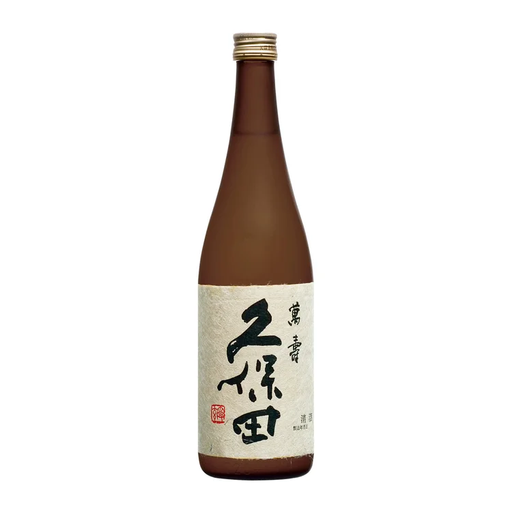
Why This Fits Their Persona: For those celebrating a special occasion or seeking a truly sophisticated experience. This flagship Kubota sake is a benchmark for premium sake, offering a complex, multi-layered profile that is best savoured slowly.
This isn't just expensive; it's a top-tier Junmai Daiginjo. Its price reflects its ultra-refined 33% polishing ratio and the masterful craft of the Asahi Shuzo brewery, delivering a demonstrably superior tasting experience.
It boasts a remarkably clean, velvety texture with a sophisticated bouquet of honeydew melon, pear and honeysuckle. The finish is crisp and exceptionally long.
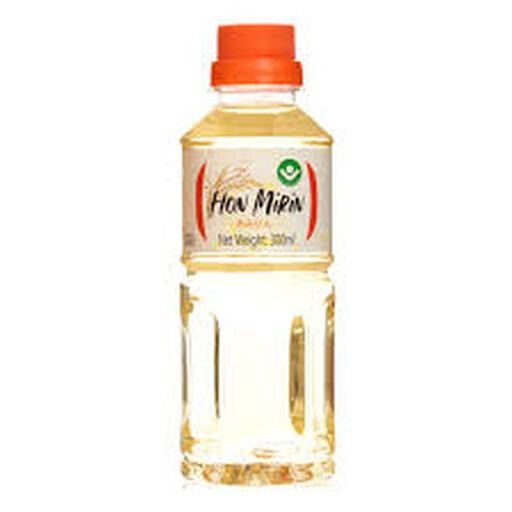
Why This Fits Their Persona: For the home cook dedicated to authentic Japanese flavours. This is not for drinking; it's an essential pantry staple for making everything from teriyaki sauce to rich ramen broths and delicate glazes for fish.
This product directly solves the culinary mix-up. It is clearly labelled as a seasoning, ensuring you get the right ingredient for adding sweetness and shine to your dishes, rather than accidentally using a dry drinking sake.
This is an authentic mirin, providing the specific syrupy consistency and sweet flavour needed for classic Japanese recipes. Pair it with a bottle of dedicated cooking sake to complete your culinary toolkit.
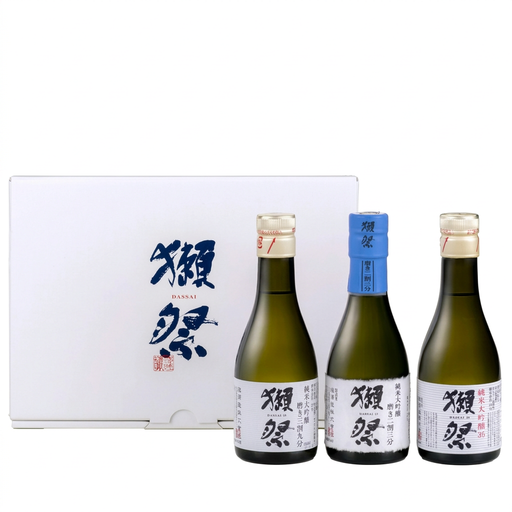
Why This Fits Their Persona: This is the ideal sake gift set for anyone from a curious friend to a valued client. It offers a guided tasting experience through one of the most famous sake brands in the world, making it both an impressive and educational present.
Instead of guessing one "premium" bottle, this set allows the recipient to explore the direct impact of the rice polishing ratio. It includes Dassai 45, 39 and the ultra-premium 23, demonstrating the concept of sake grades in a tangible way.
The set provides a comparative tasting journey, showcasing a spectrum of aromas and textures from robust and fruity to ethereal and silky. It's a complete, high-value experience in one box.
We have compiled a complete, real-time list of products that fully satisfy these strict selection criteria and UK safety regulations.
Once opened, it is important to store sake properly to preserve its delicate flavours. All sake, especially premium grades like Junmai Ginjo and Junmai Daiginjo, should be tightly sealed and kept in the refrigerator. Aim to consume it within one to two weeks, as its fresh, aromatic qualities will diminish over time with exposure to air.
It is not recommended. Cooking sake is formulated with salt, which makes it unpalatable as a beverage. Mirin is a very sweet, syrupy seasoning. Both are designed to be used as ingredients to enhance the flavour of food, not for direct consumption. Always choose a bottle specifically labelled for drinking.
The numbers on Dassai sake bottles refer to the rice polishing ratio. Dassai 45 is made with rice polished down to 45% of its original size. Dassai 39 is more refined, with rice polished to 39%. Dassai 23 is the brand's most premium expression, using rice polished to an exceptional 23%. A lower number signifies more of the grain has been milled away, generally resulting in a more aromatic, delicate and smoother sake.