
24/7 Customer Support

Free returns

Same-day & Next-day Delivery

Quality Guaranteed

Unlock Your Welcome Offers: FREE Delivery | Up to 80% OFF | Free 30-day JoyPlus trial
Download the APP
As a Joybuy Product Recommendation Officer, my role is to help you navigate the crowded market of world foods. The rising popularity of kimchi and other fermented vegetables in the UK has led to an explosion of choice, but not all products are created equal. Many shoppers find themselves disappointed with jars that are overly sour, lack authentic flavour or simply aren't what they expected. This guide will help you understand the key differences and avoid common purchasing mistakes.
Before adding a jar to your basket, be aware of these frequent issues that can lead to a disappointing meal:
To ensure you get the right product for your needs, focus on these three core parameters.
The most crucial factor is how the product gets its sourness. Look for clues on the ingredient list.
The ingredients define the cabbage's culinary identity.
How you plan to use the product matters. When you want to buy kimchi UK, consider the format:
Based on these practical criteria, here are a few options matched to different needs and lifestyles.
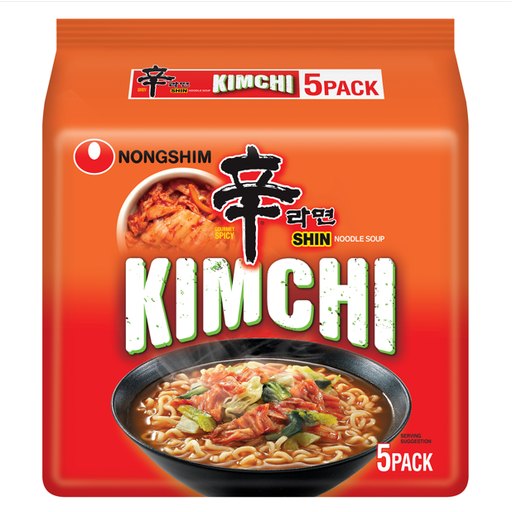
Why This Fits Their Persona: For those short on time, this multi-pack of kimchi noodles offers a quick, satisfying and flavourful meal. It's a complete solution for a work-from-home lunch or a fast evening meal without compromising on authentic Korean flavour.
This is a purpose-built meal kit. It avoids the "one-cabbage-fits-all" trap by providing a balanced flavour profile specifically designed for ramyun, ensuring a harmonious taste rather than just a sour or spicy one.
Ultimate convenience, ready in just 4 minutes. The pack includes noodles, seasoning powder and real kimchi flakes for an authentic texture and taste.

Why This Fits Their Persona: For those wanting to explore authentic Korean cooking, this product offers a reliable starting point. It's made in South Korea and is pre-sliced, making it easy to add to stir-fries, stews or fried rice. The ambient storage is a bonus for stocking the pantry.
This product avoids the "vinegar shortcut" by using a starter culture and lactic acid for fermentation, ensuring a genuine, complex kimchi flavour rather than a simple sourness.
Authentic Korean fermentation provides a balanced spicy, savoury and tangy taste. The convenient pre-sliced format saves preparation time in the kitchen.
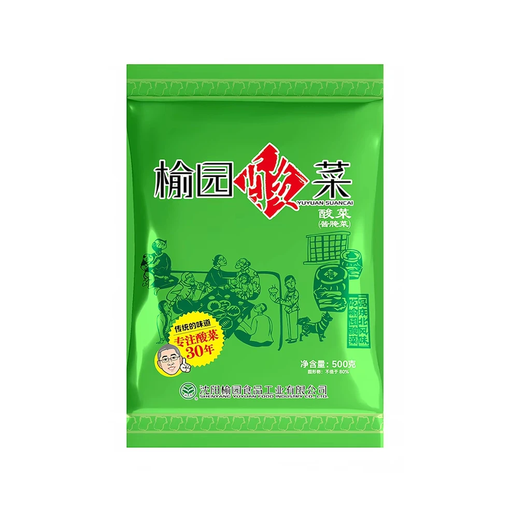
Why This Fits Their Persona: For the adventurous cook interested in exploring beyond kimchi, this Chinese pickled cabbage (suan cai) is an excellent choice. It's the key ingredient for authentic dishes like suan cai yu (pickled cabbage fish stew) and is distinct from its Korean counterpart.
This product directly counters the "one-cabbage-fits-all" trap. It is clearly marketed as suan cai for Chinese cuisine, preventing the mistake of using it as a substitute for kimchi in Korean recipes.
Naturally fermented with a specific culture for an authentic, tangy flavour. It is low-calorie, fat-free and requires cooking, making it a versatile ingredient for stews and stir-fries.
We have compiled a complete, real-time list of products that fully satisfy these strict selection criteria and UK safety regulations.
1. What is the difference between kimchi, sauerkraut, and Chinese pickled cabbage? The main differences are the ingredients and preparation. Kimchi is a seasoned Korean dish with chilli, garlic and other flavourings. Sauerkraut is German, made from finely shredded cabbage and salt, resulting in a tangy flavour. Chinese pickled cabbage (suan cai) is typically fermented whole or in large pieces with just salt, giving it a distinctly sour taste ideal for cooking.
2. How long does jarred kimchi last after opening? Once opened, most commercially produced kimchi should be kept refrigerated and consumed within one to two weeks. Always check the packaging for specific storage instructions. The flavour will continue to ferment and become more sour over time.
3. Is kimchi always spicy? While the most common type of kimchi (baechu-kimchi) is spicy, there are many non-spicy varieties. One example is "white kimchi" (baek kimchi), which is made without chilli powder and has a mild, refreshing taste. Always check the product description if you are looking for a non-spicy option.