
24/7 Customer Support

Free returns

Same-day & Next-day Delivery

Quality Guaranteed

Unlock Your Welcome Offers: FREE Delivery | Up to 80% OFF | Free 30-day JoyPlus trial
Download the APP
From bustling London food markets to local supermarkets, kimchi has firmly established itself as a favourite in the UK. This traditional Korean fermented cabbage dish is celebrated for its bold, complex flavour and versatility. Yet, with so many options available when you decide to buy kimchi online, choosing the right one can feel overwhelming. Are you looking for a classic spicy side dish, a crunchy radish kimchi or something with a modern twist?
As the Joybuy Product Recommendation Officer, my role is to help you navigate the choices. This guide offers practical advice and highlights a few noteworthy options to help you find a kimchi that suits your taste, whether you're a long-time enthusiast or trying it for the first time.
Before adding a jar to your basket, consider these points to ensure you get a product you'll enjoy.
The most common type of kimchi is made from Napa cabbage, which becomes tender yet retains a slight crunch after fermentation. However, you'll also find radish kimchi (known as kkakdugi), which offers a much firmer, crunchier texture and a refreshing taste. The choice between them often comes down to personal preference for texture.
A traditional kimchi recipe includes ingredients like gochugaru (Korean red pepper powder), garlic, ginger and often a form of seafood for umami, such as fish sauce or fermented shrimp. If you follow a vegetarian or vegan diet, be sure to check the label for these ingredients. Some modern variations also include unique additions like turmeric or different fruit purees, offering an interesting departure from the classic flavour profile.
Kimchi's flavour evolves as it ferments. A freshly made kimchi will taste crisp and bright, with the flavour of the seasonings at the forefront. A more mature, well-fermented kimchi will have a deeper, more sour and complex taste. Most commercially available kimchi in the UK is sold at a stage that balances freshness with a pleasant tang, making it a great all-rounder. As a gut-friendly food, the fermentation process is also what produces the live cultures it's known for.
Here are a few distinct kimchi products available online that cater to different tastes and preferences.
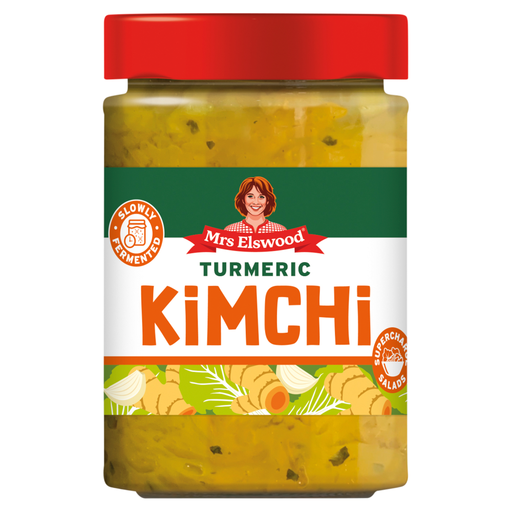
Why It Stands Out: This kimchi offers a creative fusion of flavours, blending the traditional Korean recipe with the earthy, aromatic notes of turmeric. The result is a visually striking product with a unique taste that sets it apart from classic kimchi.
Pros:
Who is it for?
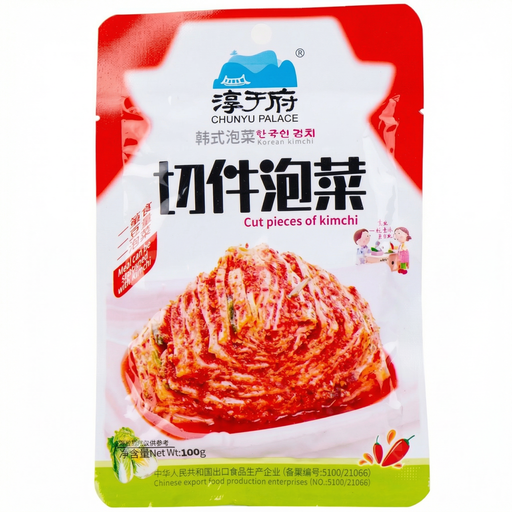
Why It Stands Out: This is a straightforward, classic Korean fermented cabbage product that delivers on convenience. It comes pre-cut into bite-sized pieces, making it an ideal ready-to-eat side dish that requires no extra preparation.
Pros:
Who is it for?
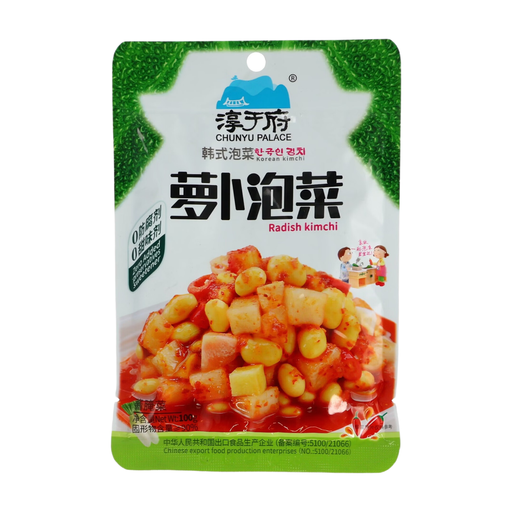
Why It Stands Out: Focusing on radish instead of cabbage, this kimchi offers a distinctly different eating experience. The radish cubes provide a satisfyingly crisp and crunchy texture that holds up well, making it a refreshing alternative.
Pros:
Who is it for?
The world of fermented foods is vast and full of exciting flavours. If our recommendations have sparked your interest but you're still searching for the perfect match, there are many other varieties to discover.
From extra-spicy versions to milder preparations, you can explore a wider selection of products in our Spicy Fermented Vegetables category.
Kimchi has a complex flavour profile that is simultaneously spicy, sour and savoury (umami). The primary taste comes from the Korean red pepper powder, which provides a warming heat. The fermentation process adds a distinct sour tang, similar to sauerkraut but with more depth. Ingredients like garlic, ginger and fish sauce contribute to its savoury, pungent aroma and taste.
Kimchi is made from vegetables like cabbage and radish, which are sources of fibre and various nutrients. The fermentation process it undergoes means it contains live bacterial cultures. As with any food, it's best enjoyed as part of a balanced diet. It's also worth noting that kimchi is typically high in salt, with most products containing around 2.0g of salt per 100g.
Kimchi is incredibly versatile. In Korea, it's most commonly served as a side dish (banchan) with almost every meal, especially with rice. You can also use it as an ingredient in cooking. It's excellent in fried rice, stews (kimchi-jjigae), pancakes (kimchi-jeon), or as a flavourful topping for ramen, tacos, burgers and even cheese toasties.