
24/7 Customer Support

Free returns

Same-day & Next-day Delivery

Quality Guaranteed

Unlock Your Welcome Offers: FREE Delivery | Up to 80% OFF | Free 30-day JoyPlus trial
Download the APP
As a Joybuy Product Recommendation Officer, my role is to help you navigate the crowded market of Korean foods and find products that deliver on their promise. The rising popularity of kimchi in the UK has led to a flood of options, but not all are created equal. Many shoppers find themselves disappointed with products that miss the mark on flavour or texture. This guide will help you understand what to look for so you can buy kimchi online with confidence.
Before you add anything to your basket, be aware of these common issues that can lead to a disappointing purchase:
Korean kimchi are formulated for a Western palate, often resulting in a condiment that is overly sweet and lacks the complex, tangy depth of true fermentation. You end up with a spicy cabbage salad, not the rich, savoury and sour experience you were hoping for.kimchi sauce intended for making your own fresh kimchi at home, when what you really wanted was a ready-to-eat side dish. Understanding the product format is crucial.To avoid these pitfalls, focus on a few key details on the product label. This will help you distinguish high-quality options from the subpar ones.
The most significant factor determining flavour is the preparation method.
authentic kimchi UK shoppers often seek for use as a side dish (banchan).kimchi sauce and served immediately without fermentation. It is crisp and spicy but lacks the sour complexity of fermented kimchi. Products sold as "kimchi sauce" are designed for you to make this style at home.Understanding the product's purpose is key to getting what you want. The world of kimchi products can be broken down into a few main types:
radish kimchi, often pre-sliced. They are ready to be served alongside any meal.kimchi jjigae (stew) or for marinating meats. These are concentrates and not meant to be eaten on their own.kimchi ramyun and kimchi noodles to frozen kimchi dumplings and kimchi pancake mixes. They offer a quick way to enjoy the flavour profile in a complete meal or snack.To make things simpler, we have matched some reliable products to different needs and lifestyles.
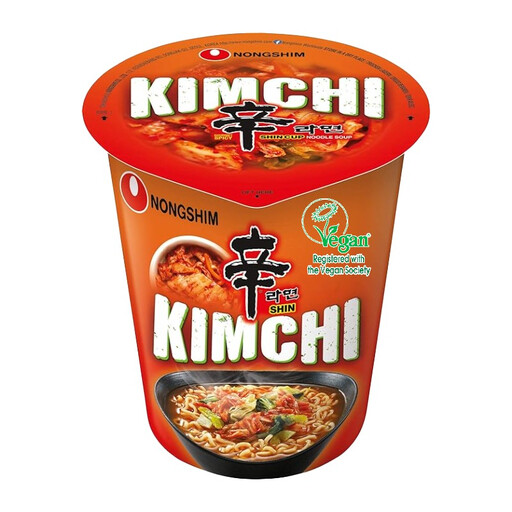
Why This Fits Their Persona: For those needing a quick, warming and flavourful meal with minimal effort, this instant noodle cup is ideal. It is a staple for a reason, providing a satisfying lunch or late-night meal in under five minutes.
It clearly avoids the "vague label" trap by being an unmistakable instant meal. The flavour is consistent and reliably delivers the spicy, tangy notes expected of kimchi ramyun, steering clear of the blandness pitfall.
Ultimate convenience with preparation in minutes. The broth is infused with real kimchi seasoning for a balanced spicy and sour flavour.
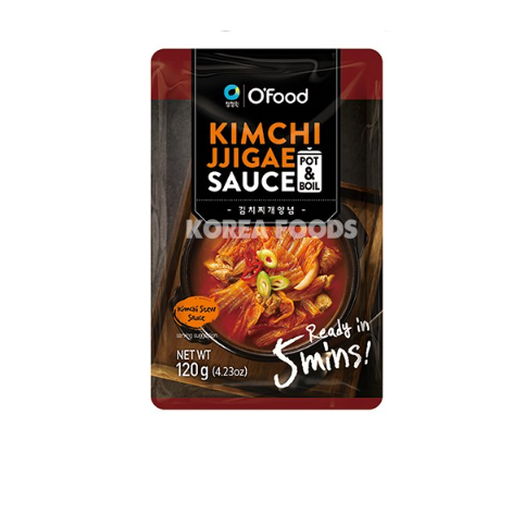
Why This Fits Their Persona: For those wanting to cook authentic Korean dishes, this seasoning paste is the perfect shortcut to a delicious kimchi jjigae. It provides the complex flavour base, allowing the cook to focus on adding fresh ingredients like tofu, pork and vegetables.
This product is clearly labelled as a "stew seasoning," preventing any confusion. It provides a rich, savoury and authentic-tasting base, helping you avoid the "inauthentic flavour" pitfall when cooking from scratch.
A convenient, concentrated sauce that simplifies making a traditionally complex stew. The flavour profile is built on authentic ingredients like gochujang and kimchi extract.

Why This Fits Their Persona: For those seeking genuine, ready-to-eat fermented kimchi to serve as a side dish, this is an excellent choice. It is made in South Korea using traditional methods and is conveniently pre-sliced.
This is actual fermented napa cabbage, not a sauce or seasoning, delivering the authentic tangy flavour and crunchy texture that avoids the "soggy" and "inauthentic" pitfalls. It is exactly what it claims to be.
Crafted with an authentic fermentation process using a starter culture. The ambient storage makes it a convenient pantry staple, and it is pre-sliced for immediate use.
We have compiled a complete, real-time list of products that fully satisfy these strict selection criteria and UK safety regulations.
Refrigerated kimchi is typically 'live' and unpasteurised, meaning it will continue to ferment in the jar, becoming more sour and complex over time. Ambient (shelf-stable) kimchi has been heat-treated to stop the fermentation process, which gives it a long shelf life. This may slightly soften its texture compared to fresh, refrigerated versions, but it makes it incredibly convenient to store in your pantry.
While its primary purpose is to make fresh kimchi salad, a good kimchi sauce is a versatile kitchen ingredient. You can use it as a marinade for chicken or pork before grilling, stir a spoonful into fried rice or noodle dishes for a spicy kick, or even mix it with mayonnaise to create a flavourful spread for sandwiches and burgers.
No, it is not. While the most common type of kimchi made with napa cabbage (baechu-kimchi) is known for its spiciness from Korean chilli powder (gochugaru), there are many other varieties. For example, white kimchi (baek-kimchi) is a non-spicy, refreshing version made without chilli, offering a mild and tangy flavour that is equally delicious.