
24/7 Customer Support

Free returns

Same-day & Next-day Delivery

Quality Guaranteed

Unlock Your Welcome Offers: FREE Delivery | Up to 80% OFF | Free 30-day JoyPlus trial
Download the APP
Buying lager online in the UK is convenient, but a large product range can make it difficult to compare like for like. Pack size, alcohol strength, origin and container type all affect the final cost and drinking experience.
Before you buy lager beer online, UK shoppers should look out for three common pitfalls:
Alcohol by volume, or ABV, shows the percentage of alcohol in the drink. A 5% ABV lager is not automatically preferable to a 3.4% lager; it simply contains more alcohol in the same volume.
UK units can be estimated using:
Volume in millilitres × ABV ÷ 1,000 = alcohol units
For example, a 440ml can at 5% ABV contains approximately 2.2 UK units. A 330ml bottle at 4.5% ABV contains approximately 1.5 units. The UK Chief Medical Officers advise that adults should not regularly exceed 14 units per week. Check the stated units where available, particularly when ordering beer cases or lager beer multipacks.
A 10-pack of 330ml beer bottles contains 3.3 litres, while a 10-pack of 440ml beer cans contains 4.4 litres. This difference matters when comparing price per litre, fridge capacity and the amount you intend to serve.
Cans are generally lighter and easier to store, while bottled beer may suit shoppers who prefer traditional presentation. For parties, check whether bottles are returnable or non-returnable and plan safe disposal.
Most standard lagers contain barley malt and gluten, so people with coeliac disease or gluten allergies should not rely on product style alone. Some beers also list wheat, maize, rice, sulphites or other ingredients. Read the allergen statement on the product page and verify the physical label if the information is important to you.
Country of origin can also affect expectations. An international lager may be associated with a particular country but brewed or packed elsewhere under licensing arrangements. For example, some UK listings clearly state that a product is brewed in the UK, while others identify Vietnam, Italy, Mexico, Japan or China as the country of origin.
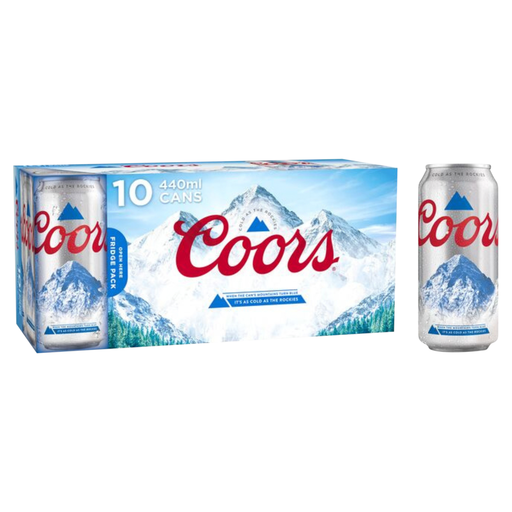
Why This Fits Their Persona: A lower-strength multipack with 440ml cans gives new online shoppers a straightforward option for casual evenings, small gatherings and fridge stocking.
The listing clearly states 3.4% ABV, 10 x 440ml and approximately 1.5 units per can, making volume and strength easier to compare.
10 x 440ml cans; 3.4% ABV; listed as suitable for vegetarians and vegans.
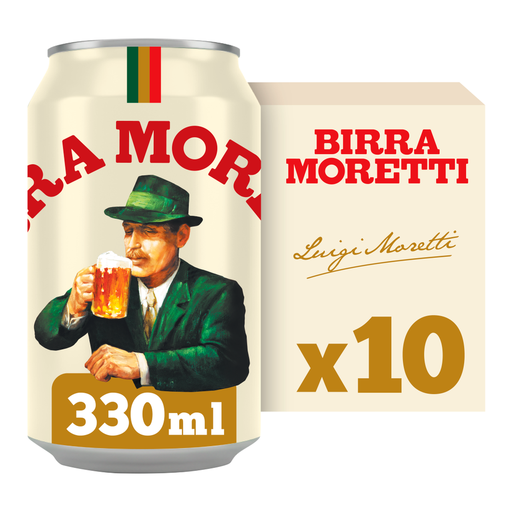
Why This Fits Their Persona: Its Italian origin, 330ml serving size and described malt, bread and citrus notes suit shoppers choosing lager to accompany pasta, pizza or shared meals.
The listing gives the pack quantity, total volume, 4.6% ABV, ingredients and country of origin instead of relying only on premium positioning.
10 x 330ml cans; 4.6% ABV; made in Italy and contains barley gluten.
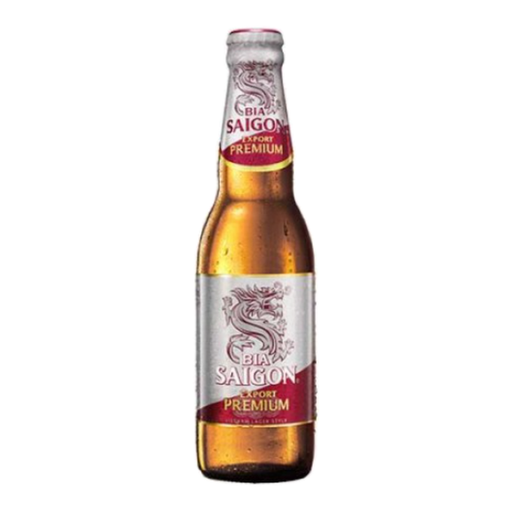
Why This Fits Their Persona: This Vietnamese lager is a practical choice for shoppers planning noodle dishes, spicy food or other Asian-inspired meals at home.
The product information identifies the 330ml format, 4.8% ABV, Vietnamese origin and the presence of barley gluten and sulphites.
330ml bottle; 4.8% ABV; rice and barley malt listed among the ingredients.

Why This Fits Their Persona: The large 650ml cans are suited to planned meals and larger gatherings where shoppers want an imported Japanese beer case for sharing.
The 650ml format and stated 5.0% ABV make it clear that each container carries more alcohol than a typical 330ml bottle.
12 x 650ml cans; 5.0% ABV; Japanese origin and listed as suitable for vegetarians and vegans.
We have compiled a complete, real-time list of products that fully meet these strict selection criteria and UK safety regulations.
Beer delivery UK services depend on the retailer’s delivery coverage, postcode restrictions and stock location. Check delivery fees, estimated arrival dates and whether an age-verification check is required before placing an order. Someone aged 18 or over may need to receive the delivery.
Choose canned beer when storage weight, portability and efficient fridge space matter. Choose bottled beer when presentation or a traditional serving format is more important. Neither format alone guarantees a particular flavour, so compare the product description, origin, ABV and storage instructions.
Keep unopened lager in a cool, dry place away from direct sunlight and heat. Refrigerate it before serving if you prefer it chilled. Avoid freezing, as expansion can damage cans or bottles. Once opened, consume promptly and follow any product-specific storage guidance. Always check the best-before information on the packaging.