
24/7 Customer Support

Free returns

Same-day & Next-day Delivery

Quality Guaranteed

Unlock Your Welcome Offers: FREE Delivery | Up to 80% OFF | Free 30-day JoyPlus trial
Download the APP
From the rich creaminess of an Irish cream to the bittersweet tang of an Italian aperitif, the world of liqueurs is wonderfully diverse. Yet, for many UK shoppers, navigating the spirits aisle can be confusing. It is easy to end up with a dusty bottle that was bought for a single recipe or a liqueur that turns out to be disappointingly one-dimensional.
As a Joybuy Product Recommendation Officer, my role is to help you see past the marketing jargon. This guide will break down the common pitfalls to avoid and highlight the key factors to consider, ensuring your next purchase is one you will genuinely enjoy, whether you plan to buy spirits online UK or in-store.
Before adding a bottle to your basket, be aware of these frequent missteps that can lead to buyer's remorse.
To make a confident choice, focus on these three essential characteristics.
Liqueurs are categorised by their primary flavour. Understanding these groups is the first step to finding what you like:
A well-crafted liqueur is a balancing act. Instead of just being sweet, it should have other elements that create a more interesting and enjoyable experience. For an aperitif, this means a pleasant bitterness that cleanses the palate. For a fruit liqueur, it is a bright acidity that cuts through the sweetness. In a cream liqueur, it is the warmth and complexity of the base spirit that prevents it from being overly sugary. Always look for descriptions that mention balance, complexity or contrasting notes like "bittersweet" or "sweet and tangy."
The ABV is a practical indicator of a liqueur's intended use.
Instead of a generic list, we have matched our recommendations to specific needs, helping you find the right bottle for your lifestyle.
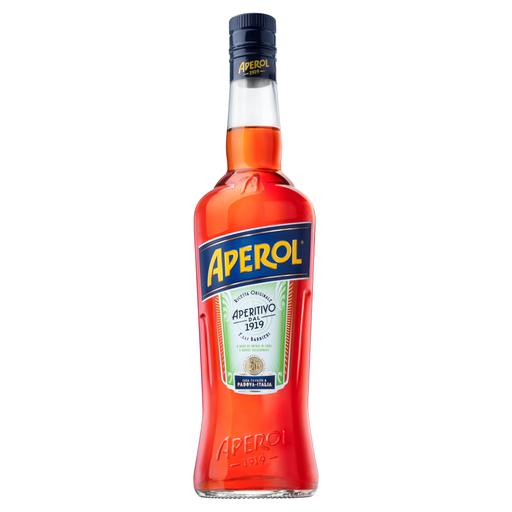
Why This Fits Their Persona: Perfect for someone who enjoys hosting friends for garden parties or pre-dinner drinks. Aperol is the heart of the iconic Aperol Spritz, a simple, refreshing and crowd-pleasing cocktail that is easy to make in batches.
It sidesteps the "single-use" trap because its primary use—the Aperol Spritz—is a globally popular and timeless cocktail, ensuring the bottle will be reached for again and again.
Its balanced bittersweet flavour and low 11% ABV make it a light, refreshing aperitif that stimulates the palate without being overpowering. It is exceptionally easy to mix.
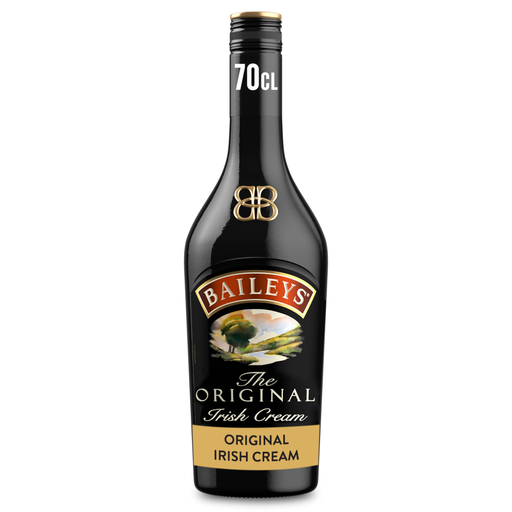
Why This Fits Their Persona: For those who seek a comforting, luxurious treat to end a meal or unwind in the evening. It is the quintessential cream liqueur, perfect over ice, stirred into coffee or drizzled over dessert.
It avoids being just another overly sweet liqueur by using a quality Irish whiskey base, which provides a genuine warmth and complexity that balances the rich cream and sugar.
Its distinct velvety texture is iconic for a reason. It is incredibly versatile, serving as a drink, a cocktail ingredient and a dessert topping all in one bottle.
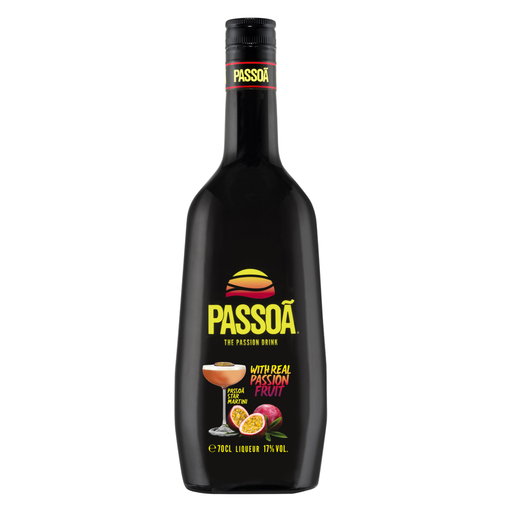
Why This Fits Their Persona: An essential for anyone building a modern home bar. This fruit liqueur is the key ingredient in the Pornstar Martini, one of the UK's most popular cocktails, and its tropical flavour is a versatile addition to many other mixed drinks.
While it is a specific flavour, its central role in such a widely loved cocktail makes it a high-use item rather than a niche one. It also mixes well with simple mixers like tonic or orange juice.
It delivers an authentic, vibrant passion fruit flavour that is both sweet and tangy. The balance makes it a refreshing and effective cocktail ingredient that does not get lost when mixed.
We have compiled a complete, real-time list of products that fully satisfy these strict selection criteria and UK safety regulations.
The main difference is sugar. All liqueurs start with a base spirit (like gin, rum or vodka), which is then flavoured with ingredients like fruit, cream, herbs or nuts and, crucially, sweetened. Spirits, on the other hand, are not sweetened after distillation and are typically much stronger. In short, all liqueurs contain a spirit, but not all spirits are liqueurs.
This depends on the type. Cream liqueurs, like Baileys Irish Cream, contain dairy and should generally be consumed within six months of opening; refrigeration can help preserve their quality. Sugar-based fruit and coffee liqueurs have a much longer shelf life due to the preservative effects of sugar and alcohol. While they may not "spoil," their flavour and colour can start to fade after a year or two, so it is always a good idea to store them in a cool, dark place.
Absolutely. Many liqueurs are designed to be enjoyed on their own, either at room temperature or over ice. This is a great way to appreciate the full complexity of their flavour. Cream liqueurs, nut-based liqueurs like Disaronno and high-quality coffee liqueurs are particularly well-suited for sipping neat as an after-dinner drink.