
24/7 Customer Support

Free returns

Same-day & Next-day Delivery

Quality Guaranteed

Unlock Your Welcome Offers: FREE Delivery | Up to 80% OFF | Free 30-day JoyPlus trial
Download the APP
As a Joybuy Product Recommendation Officer, my role is to help you navigate the options available for your kitchen. When it comes to versatile ingredients like lotus seeds, knowing what to look for can be the difference between a delightful dish and a disappointing meal. Whether you're preparing a nourishing soup, a traditional dessert or celebrating the Mid-Autumn Festival, selecting the right product is key. This guide will walk you through the common pitfalls and essential factors to consider when you buy lotus seeds in the UK.
Many shoppers, especially those new to using this ingredient, can encounter a few issues. Being aware of these can save you both time and money.
To avoid the issues above, focus on these three key factors when making your selection. This will ensure you get a quality product suited to your culinary needs.
This is the most critical factor for anyone cooking with dried lotus seeds.
Lotus seeds are available in several formats, each serving a different purpose.
When purchasing dried lotus seeds, a quick visual check can tell you a lot about their quality.
Based on these practical criteria, here are a few product recommendations matched to different needs and lifestyles in the UK.
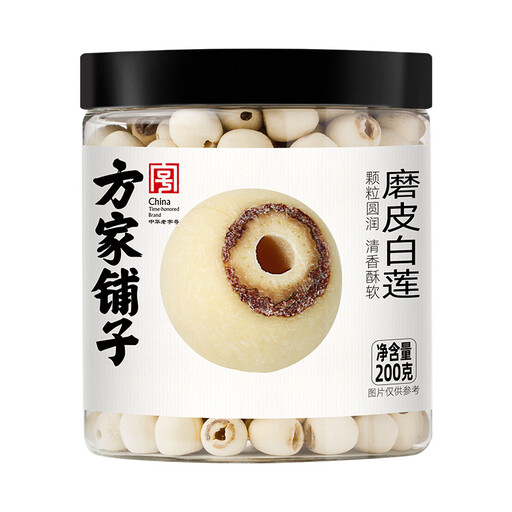
Why This Fits Their Persona: For the cook who values authenticity and quality ingredients for their soups and desserts. This product from a heritage brand focuses on delivering a pure, high-quality raw ingredient for creating dishes from scratch.
The focus on being "meticulously selected and processed" suggests a higher standard, reducing the risk of inconsistent texture or bitterness common in lower-grade seeds.
High in plant protein (20.0g per 100g) and low in fat. The brand's reputation provides confidence in the product's quality and authentic flavour profile.
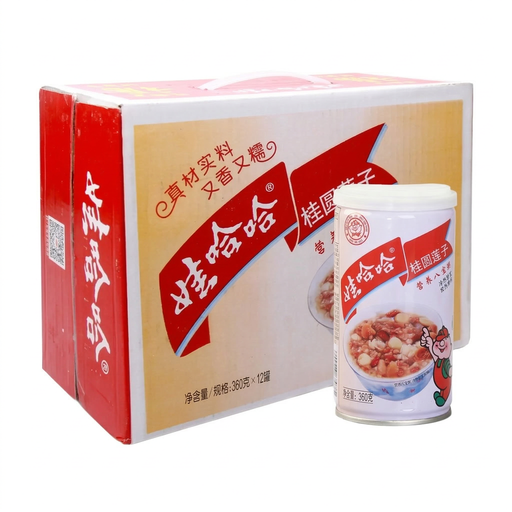
Why This Fits Their Persona: Perfect for busy individuals or students in the UK who crave a traditional, nourishing snack but lack the time to cook. It offers a taste of home with zero preparation.
This is a finished product, completely bypassing the challenges of soaking, coring and cooking dried seeds. It's a foolproof way to enjoy lotus seeds.
Ready to eat hot or cold. The bulk pack of 12 is convenient for stocking the pantry for quick breakfasts or snacks.
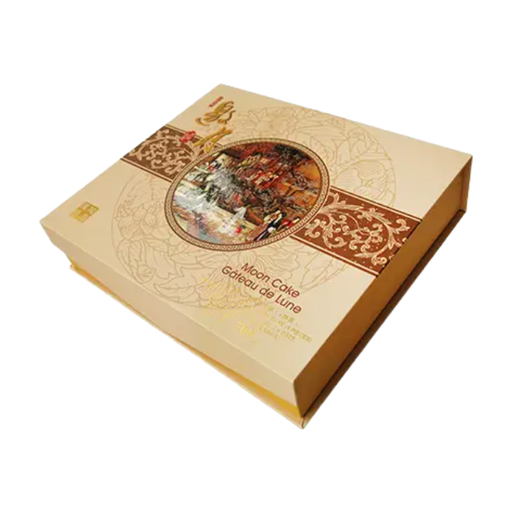
Why This Fits Their Persona: For those celebrating the Mid-Autumn Festival, the quality of the lotus seed mooncake is paramount. This is a premium, gift-worthy option for sharing with family and friends.
It addresses the "product mismatch" pitfall by being a specific, seasonal item. The description highlights a high lotus seed content (15.8%) in the paste, ensuring an authentic, not overly sugary, flavour.
Presented in an elegant gift box, it follows traditional Cantonese craftsmanship for an authentic taste and texture. It's a complete festive solution.
We have compiled a complete, real-time list of products that fully satisfy these strict selection criteria and UK safety regulations.
Here are answers to a few common questions UK shoppers have about using lotus seeds.
1. Do I always need to soak dried lotus seeds? Yes, soaking is an essential step. It rehydrates the seeds, significantly reduces cooking time and helps them achieve a soft, pleasant texture. For most white lotus seeds, a minimum of 1-2 hours in warm water is sufficient. For an even softer result, especially if you are unsure of their age, soaking them overnight in the refrigerator is a good practice.
2. Why are my lotus seeds still hard after cooking for a long time? This is usually due to one of two reasons: insufficient soaking or the age of the seeds. Very old dried lotus seeds can become extremely tough and may require much longer soaking and cooking periods to soften. If you find your seeds are consistently hard, try soaking them overnight. As a last resort, some cooks add a tiny pinch of bicarbonate of soda to the soaking water to help them break down, but this should be done with care as it can affect the texture if overused.
3. What is the difference between white and brown lotus seeds? The main difference is the skin. White lotus seeds have had their brown outer skin removed. This makes them cook faster and gives them a more delicate, powdery texture, which is preferred for most desserts and sweet soups. Brown lotus seeds still have their skin intact. They are considered by some to be more nutritious but have a chewier texture and require a longer cooking time. The vast majority of lotus seeds available in the UK for general cooking are the white variety.