
24/7 Customer Support

Free returns

Same-day & Next-day Delivery

Quality Guaranteed

Unlock Your Welcome Offers: FREE Delivery | Up to 80% OFF | Free 30-day JoyPlus trial
Download the APP
Navigating the world of matcha powder can feel overwhelming. With labels promising everything from ancient traditions to modern convenience, it’s easy to end up with a product that doesn’t live up to expectations. Many UK shoppers find themselves disappointed by a dull colour, a bitter taste or a mix that’s more sugar than tea. As a Joybuy Product Recommendation Officer, my role is to help you see past the marketing and focus on what truly matters.
This guide will help you understand the key differences in matcha, so you can avoid common purchasing mistakes and choose a powder that genuinely suits your needs, whether you're making a traditional tea, a creamy latte or a culinary creation.
Before you add any matcha to your basket, be aware of these frequent pitfalls that can lead to a disappointing experience and wasted money.
To make an informed choice, focus on these three core factors. They are the most reliable indicators of the quality and suitability of a matcha powder.
Understanding the grade is the first step to getting the right product for your purpose.
The origin and appearance of the powder are crucial quality markers.
Always check the ingredients list, especially if you are not buying 100% pure matcha.
Based on these practical criteria, here are some recommendations matched to different needs and preferences.
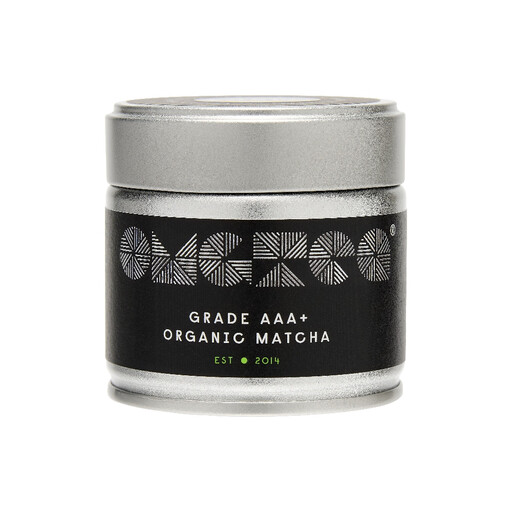
Why This Fits Their Persona: For those who appreciate matcha in its traditional form (usucha), this product delivers the quality required. It's designed for purists who want to experience the authentic, nuanced flavour of high-grade Japanese tea without any bitterness.
It sidesteps the vague "ceremonial" label by specifying its grade (AAA+) and origin. The description notes it is made from the first harvest and stone-ground, ensuring a smooth, non-bitter taste and vibrant colour.
Its key advantage is its quality, derived from first-harvest, shade-grown leaves. It is also an organic matcha, certified by the Soil Association.
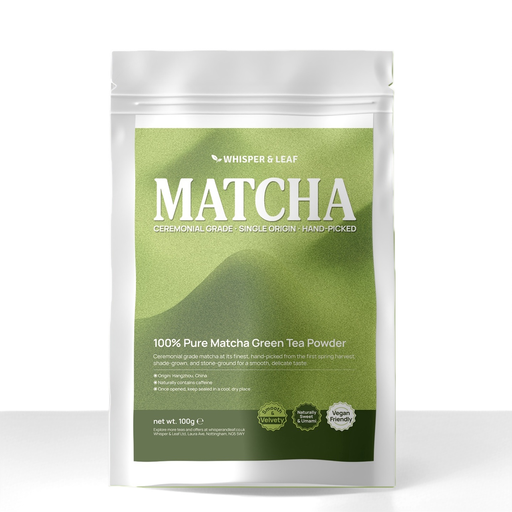
Why This Fits Their Persona: This is for the person who makes a daily matcha for lattes. They need a quality powder that is smooth and not too bitter, but also comes in a larger, more economical size for frequent use.
It avoids the bitterness trap by using first spring harvest leaves, which are naturally sweeter. The description of a "clean and mellow" taste confirms its suitability for lattes, where a harsh flavour would be overpowering.
The 100g bag offers better value for regular users compared to smaller tins. Its balanced flavour profile with a "soft umami finish" is specifically designed to pair well with milk.

Why This Fits Their Persona: Ideal for busy individuals, commuters or those new to matcha who want a foolproof method. These single-serve sachets remove the guesswork of measuring and are perfect for taking to the office or on the go.
This product avoids the quality trap by using ceremonial grade matcha in its pure form. Unlike many convenient options, it contains no hidden sugars or fillers—the only ingredient is 100% ceremonial grade matcha.
The primary advantage is convenience. The pre-portioned matcha sachets ensure a consistent serving every time with no mess, combining ease of use with high-quality matcha.
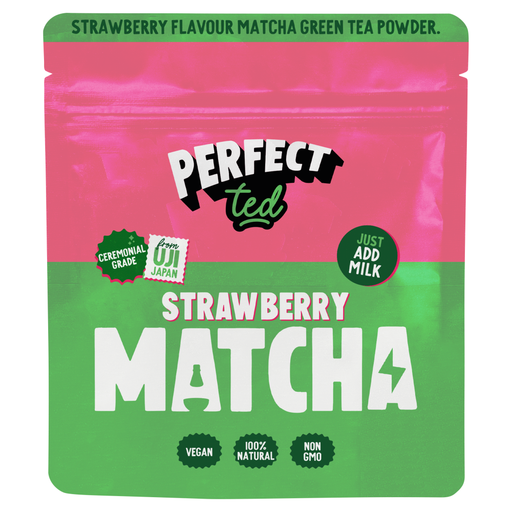
Why This Fits Their Persona: This is for someone who enjoys the idea of matcha but prefers a sweeter, flavoured drink. It's an accessible and fun entry point into the world of matcha, perfect for making a quick, tasty strawberry matcha latte at home.
It avoids the hidden sugar trap by being transparent with its ingredients. It uses coconut sugar instead of refined white sugar and clearly lists Japanese matcha as a core component, not just an afterthought.
This flavoured matcha powder offers a simple, all-in-one solution for a delicious latte. It combines quality matcha with natural flavouring, removing the need to buy multiple ingredients.
We have compiled a complete, real-time list of products that fully satisfy these strict selection criteria and UK safety regulations.
Freshness is key to a good matcha experience. The most obvious sign is its colour—it should be a vibrant, bright green. If it has turned a dull, brownish or yellowish colour, it has likely oxidised and lost its flavour. Another indicator is the aroma. Fresh matcha has a sweet, vegetal smell. If it smells dusty or has no scent, it is past its prime.
A lack of froth is usually due to one of three things. First, sifting the powder is an important step; unsifted matcha has clumps that won't dissolve properly. Second, the water temperature is crucial. Water that is too hot (boiling) can kill the froth and make the tea bitter. Aim for around 70-80°C. Finally, technique matters. A traditional bamboo whisk (chasen) and a rapid 'W' or 'M' motion are designed to aerate the tea and create a fine foam.
Choosing organic matcha is a personal preference. The "organic" certification (such as from the Soil Association in the UK) ensures the tea was grown without synthetic pesticides and fertilisers. Given that you consume the entire tea leaf when you drink matcha, some people prefer the peace of mind that comes with an organic product. However, many high-quality conventional Japanese tea farms use minimal and carefully controlled treatments, so non-organic matcha can still be of excellent quality.