
24/7 Customer Support

Free returns

Same-day & Next-day Delivery

Quality Guaranteed

Unlock Your Welcome Offers: FREE Delivery | Up to 80% OFF | Free 30-day JoyPlus trial
Download the APP
Navigating the world of matcha powder can feel overwhelming. With labels promising everything from ancient traditions to modern health kicks, it’s easy to end up with a product that doesn’t meet your expectations. As a Product Recommendation Officer at Joybuy, my role is to help you understand what truly matters, so you can find the right matcha for your needs without falling for the marketing hype. Here are the common pitfalls to watch out for when you decide to buy matcha powder in the UK.
The first trap is the ambiguous grading system. Terms like "ceremonial" and "culinary" are often used, but they aren't officially regulated. This means the quality can vary dramatically from one brand to another, and a high price tag doesn't always guarantee a superior product.
Another common issue is colour and taste deception. A vibrant green colour is a good sign, but it isn't the only indicator of quality. Some lower-grade powders can be dull, yellowish or overly bitter, a sign of older leaves or improper processing.
Finally, be mindful of hidden ingredients, especially in sweet matcha powder blends. Many pre-mixed latte products contain more sugar and milk powder than actual matcha, which might not be what you're looking for if you're after the authentic taste and properties of green tea.
To make an informed choice, focus on a few key parameters rather than just the marketing claims. These factors will tell you more about the quality and suitability of the matcha green tea powder for your intended use.
The most important distinction is between the two main types of matcha, which are suited for different purposes.
matcha for lattes, smoothies, baking and cooking. It provides that distinct matcha flavour without getting lost.The source and production method have a significant impact on the final product.
Always check the label to see exactly what you are buying.
To help you find a product that matches your needs, we've selected a few options from our range, each suited to a different type of user.
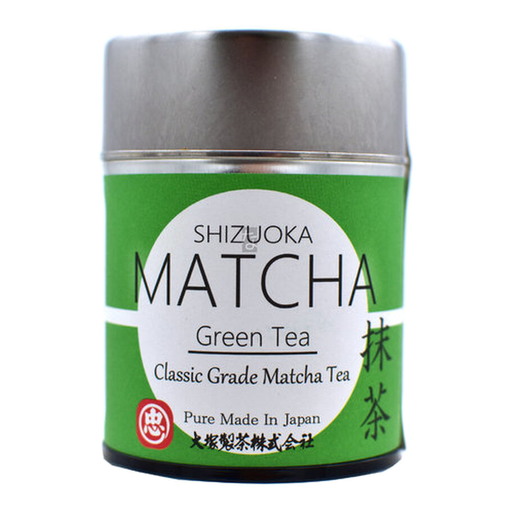
Why This Fits Their Persona: For those who want to replicate an authentic café experience at home, this pure Japanese matcha from Shizuoka offers the balanced umami and smooth texture needed for both traditional whisked tea and high-quality lattes.
This is 100% pure matcha with no hidden sugars or fillers. Its vibrant colour and fine texture are indicators of its quality, moving beyond ambiguous labels to deliver genuine performance.
Sourced from Shizuoka, a renowned Japanese tea region, and stone-ground for a silky texture. The can packaging helps maintain freshness after opening.
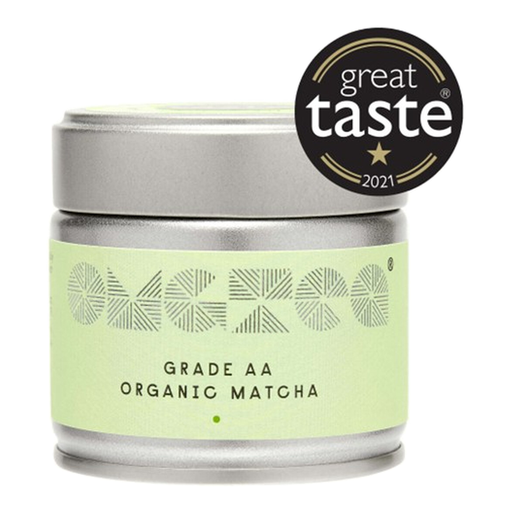
Why This Fits Their Persona: Ideal for those who love experimenting in the kitchen. This organic matcha has a robust flavour profile that won't get lost when mixed into cakes, smoothies or other recipes, making it a versatile pantry staple.
By being a designated high-grade culinary option, it sets clear expectations. It's not trying to be a delicate ceremonial tea; it's designed to perform well with other ingredients, offering great value for its intended use.
Certified organic, ensuring purity in your culinary creations. Its flavour is strong enough to stand out in baking and blended drinks.
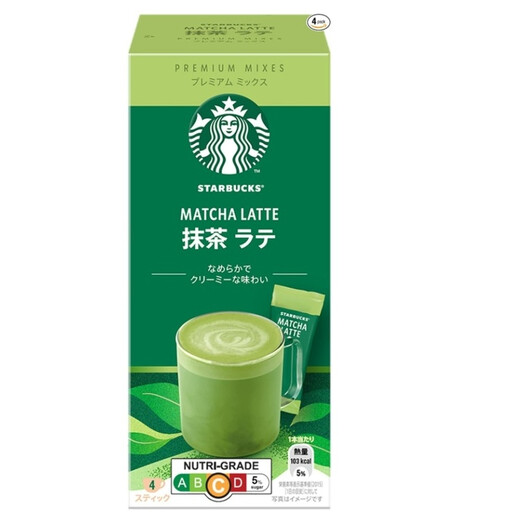
Why This Fits Their Persona: Perfect for busy individuals who want a consistent and tasty matcha latte without the fuss of whisking and mixing. Just add hot water for an instant café-style drink at home or in the office.
This product is transparent about what it is: a sweetened latte mix. It doesn't pretend to be pure matcha, clearly listing sugar and milk powder in the ingredients, which helps you make an informed choice based on convenience.
Offers a familiar taste in convenient, single-serve sachets. No special equipment or additional ingredients are needed.
We have compiled a complete, real-time list of products that fully satisfy these strict selection criteria and UK safety regulations.
For a traditional cup of ceremonial grade matcha, a bamboo whisk is highly recommended. It helps to suspend the powder evenly in the water, creating a smooth, frothy layer on top and preventing clumps. However, if you are making matcha for lattes or adding it to smoothies, a small electric milk frother is an excellent and convenient alternative. For culinary uses, simply sifting and whisking with a standard kitchen whisk will suffice.
Matcha is delicate and can degrade when exposed to light, heat and air. To preserve its vibrant colour, fresh aroma and flavour, it is best to store it in an airtight container in the refrigerator after opening. This slows down the oxidisation process. Before it's opened, keep the package in a cool, dark cupboard away from any heat sources.
No, there is a wide spectrum of quality even within Japanese matcha powder. Factors such as the specific growing region (e.g., Uji, Shizuoka and Nishio), the harvest time (the first harvest, or ichiban-cha, is the most prized), and the grinding method all play a crucial role. Stone-ground matcha is considered superior as the slow, cool process preserves the delicate flavour and nutrients of the tea leaves, whereas industrial grinding can generate heat that compromises quality. Always check the product description for these details to get a better sense of its quality.