
24/7 Customer Support

Free returns

Same-day & Next-day Delivery

Quality Guaranteed

Unlock Your Welcome Offers: FREE Delivery | Up to 80% OFF | Free 30-day JoyPlus trial
Download the APP
Navigating the world of matcha powder can feel overwhelming. With labels promising everything from ancient traditions to modern wellness boosts, it is easy to end up with a product that disappoints. Many UK shoppers find themselves with a tin of dull, bitter powder that tastes nothing like the vibrant, smooth matcha from their favourite café. As the Joybuy Product Recommendation Officer, my role is to help you see past the marketing and make a choice that suits your taste and budget.
Before you add any matcha to your basket, let's look at a few common pitfalls that can lead to a poor purchase.
To ensure you get a quality product, focus on a few key parameters instead of just the marketing claims. These objective factors will tell you almost everything you need to know.
The most important distinction to understand is between ceremonial and culinary grade matcha. Choosing the right one depends entirely on how you plan to use it.
Authentic, high-quality Japanese matcha is the benchmark. Regions like Uji (near Kyoto), Shizuoka and Kagoshima are renowned for their tea cultivation. The product label should clearly state its country of origin. Matcha from Japan is cultivated and processed following centuries-old traditions that ensure its unique flavour profile. The powder should be stone-ground, a slow process that prevents overheating the leaves and preserves their delicate flavour and nutrients.
Always check the ingredients. For pure matcha, the list should contain one thing: 100% matcha or 100% green tea powder. If you are looking for a convenient sweetened mix, be aware of the sugar content.
Furthermore, matcha is sensitive to light, air and heat. Good packaging is crucial. Look for airtight tins or resealable, opaque pouches. Once opened, it is advisable to store matcha in the refrigerator to maintain its freshness, colour and flavour.
To make things simpler, we have matched a few standout products to different needs and lifestyles.

Why This Fits Their Persona: For busy professionals in the UK, convenience is paramount. These single-serve matcha sachets eliminate guesswork and mess, making it easy to prepare a quality cup at the office or while travelling. Each sachet contains a pre-measured portion of ceremonial grade matcha.
It sidesteps the freshness issue of a large, opened tin. Each sachet is individually sealed, protecting the powder from oxidation and ensuring a vibrant, fresh taste every time, countering the "dull colour" pitfall.
Unmatched convenience with pre-portioned servings. The use of ceremonial grade powder provides a superior flavour experience compared to typical instant tea products.

Why This Fits Their Persona: This user seeks an authentic, high-quality experience for traditional tea preparation. The AAA+ grade signifies it is a premium ceremonial grade matcha, crafted from the first harvest and stone-ground, delivering the desired sweet, umami-rich flavour with no bitterness.
It directly counters the "misleading grade" trap. Its brilliant jade green colour, fine aroma and creamy flavour are hallmarks of a genuine high-grade matcha, a world away from cheap imitations.
This is an organic matcha powder suitable for preparing both thick (*koicha*) and thin (*usucha*) tea. Its quality is recognised by a 3-Star Great Taste Award.
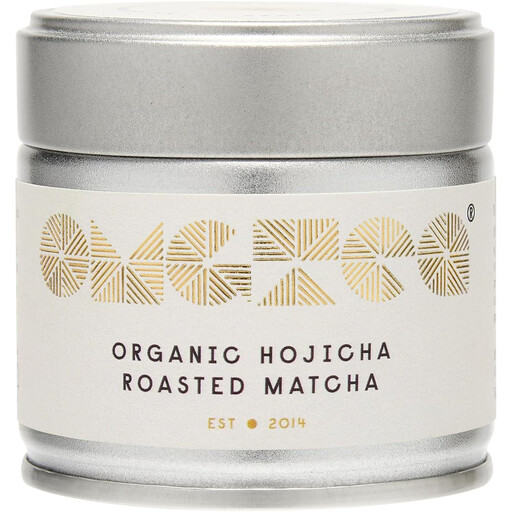
Why This Fits Their Persona: For those who love experimenting in the kitchen, hojicha powder is an exciting alternative. It is made from roasted green tea leaves, giving it a nutty, toasty and naturally sweet flavour. It is perfect for creating unique lattes, ice creams and baked goods.
This product avoids the "hidden sugars" trap by being 100% organic roasted matcha tea. Its distinct flavour profile also provides a clear, enjoyable alternative for those who may find traditional matcha's grassy notes unappealing.
A versatile, low-caffeine powder with a unique roasted, nutty flavour. It is Soil Association Certified Organic and comes from a UK-based, female-founded B Corp.
We have compiled a complete, real-time list of products that fully satisfy these strict selection criteria and UK safety regulations.
High-quality matcha is ground into an extremely fine powder (around 5-10 microns). This fineness, combined with natural static electricity, can cause it to clump together. It is not a sign of a bad product; in fact, it often indicates a fine grind. To get a perfectly smooth, frothy drink, it is highly recommended to sift the matcha powder through a small tea strainer before adding water and whisking.
Matcha is delicate and degrades quickly when exposed to oxygen, light and heat. To preserve its vibrant colour and flavour, store it in an airtight container in a cool, dark place. Once a package is opened, it is best to keep it in the refrigerator and aim to consume it within a few weeks to enjoy it at its freshest.
No, they are quite different. While both are Japanese green tea powders, matcha is made from shade-grown, steamed leaves. Hojicha powder is made from green tea leaves (often bancha or sencha) that are roasted before being ground. This roasting process gives hojicha its reddish-brown colour, a nutty and toasty flavour and a much lower caffeine content, making it a popular choice for an evening drink.