
24/7 Customer Support

Free returns

Same-day & Next-day Delivery

Quality Guaranteed

Unlock Your Welcome Offers: FREE Delivery | Up to 80% OFF | Free 30-day JoyPlus trial
Download the APP
As a Joybuy Product Recommendation Officer, I see a lot of confusion surrounding matcha. This vibrant Japanese green tea has become a staple in many UK homes, but its popularity has also led to a confusing market. It's easy to overpay for a product that delivers a bitter, disappointing experience. Before you buy matcha online, let's look at the common pitfalls and how to sidestep them to find a product that truly suits your needs.
Many shoppers find their homemade matcha latte or tea tastes nothing like the one from their favourite café. Often, the issue isn't your preparation method, but the product itself. Here are the main issues to watch for:
To ensure you get what you pay for, focus on these three practical indicators of quality.
The most important distinction is between ceremonial and culinary grade. This isn't about one being "better," but about them having different purposes.
Authenticity is key to a good experience.
Based on these practical criteria, we've matched several products to different user needs, helping you find the right fit without the guesswork.

Why This Fits Their Persona: This is for the individual who wants to experience matcha in its purest form. They appreciate the ritual of whisking the tea and savouring its complex, savoury notes without milk or sugar.
It sidesteps the "ceremonial grade" myth by being a genuinely high-quality product. Made from first-harvest, shade-grown leaves and stone-ground, it delivers the vibrant colour and smooth, umami-rich flavour expected of true ceremonial matcha.
This organic matcha is designed for traditional preparation (usucha or koicha), offering a naturally sweet and creamy flavour with no bitterness. It is Soil Association Certified Organic.
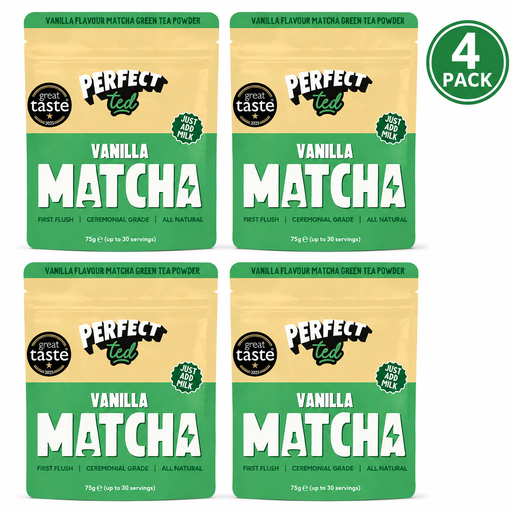
Why This Fits Their Persona: This is for the person who loves a café-style matcha latte and wants to replicate it easily at home. They value convenience and a balanced flavour that works perfectly with frothed milk.
It avoids the hidden sugar trap by being transparent about its ingredients. It uses ceremonial grade Japanese matcha as a base, blended with coconut sugar and natural vanilla flavour, ensuring a quality foundation rather than just being a sugary mix.
This matcha latte powder is specifically designed for drinks, offering a consistent and flavourful result every time. It's a versatile powder for everyday use.
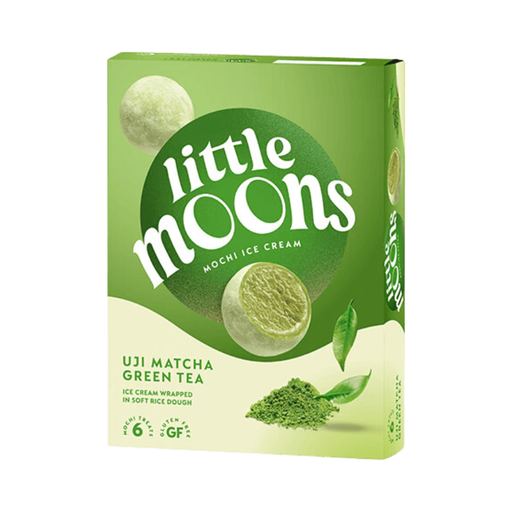
Why This Fits Their Persona: For those who love the unique, earthy flavour of matcha but prefer it in a dessert format. This is the ultimate low-effort, high-reward way to enjoy a sophisticated treat.
This product bypasses all the pitfalls of powder preparation. It delivers an authentic Uji matcha ice cream flavour without requiring any equipment, whisking technique or temperature control, ensuring a perfect result every time.
It offers instant gratification with a balanced, earthy matcha flavour wrapped in soft mochi dough. It's a convenient, gluten-free dessert for a unique flavour experience.
We have compiled a complete, real-time list of products that fully satisfy these strict selection criteria and UK safety regulations.
1. Why does my matcha taste bitter? Bitterness is usually caused by one of three things: low-quality powder, using water that is too hot or not whisking it properly. For ceremonial grade matcha, the water should be around 80°C, not boiling, as boiling water will scorch the delicate tea leaves. Whisking vigorously in a 'W' or 'M' motion until frothy also helps create a smoother taste.
2. How should I store matcha powder to keep it fresh? Once opened, matcha should be stored in an airtight container in the refrigerator. This protects it from light, heat and odours, which can all degrade its flavour and vibrant colour. An unopened tin can be kept in a cool, dark cupboard.
3. What is the difference between Pukka matcha tea and pure matcha powder? Products like Pukka matcha tea are typically blends. For example, Pukka's Clean Matcha Green contains Sencha green tea, fennel, nettle and other herbs, with matcha making up 2% of the blend. This is a great, gentle introduction to the flavour. In contrast, a product labelled as 100% matcha powder, like the one from OMGTea matcha, is pure, concentrated ground tea leaf, offering a much more intense and authentic experience.