
24/7 Customer Support

Free returns

Same-day & Next-day Delivery

Quality Guaranteed

Unlock Your Welcome Offers: FREE Delivery | Up to 80% OFF | Free 30-day JoyPlus trial
Download the APP
From vibrant green lattes filling our social media feeds to delicate desserts in artisan bakeries, matcha green tea has firmly established itself in the UK. But as its popularity has grown, so has the confusion. With so many options available, it's easy to feel overwhelmed and end up with a product that doesn't meet your expectations. As a Joybuy Product Recommendation Officer, my role is to help you navigate the market and find the right matcha for your needs, whether you're a budding home barista or a curious food lover.
This guide will break down the common pitfalls many buyers face and clarify the essential factors to consider, helping you make a confident choice.
Many shoppers are drawn in by clever marketing, only to be disappointed by the product. Here are three frequent traps to be aware of:
To avoid these pitfalls, focus on a few key parameters that genuinely define a matcha product's quality and suitability for your purpose.
The most important distinction is between matcha for drinking and matcha for cooking.
Always check the label. If you are buying matcha powder, the ingredients list should contain one thing: 100% green tea or matcha. For organic matcha, look for the relevant certification.
When considering instant matcha mixes or matcha snacks, examine the order of ingredients. If sugar or creamer is listed before matcha, you know it's primarily a sweetened product. This is perfectly fine if that's what you're looking for, but it's crucial for making an informed decision.
Matcha is sensitive to light, air and heat, which can degrade its colour, flavour and aroma. Good packaging, such as an airtight tin or a resealable, opaque pouch, is a sign that the manufacturer cares about preserving the quality of the product. Buying in smaller quantities (e.g., 30-40g) is often better, as it ensures you use it while it's at its freshest.
To help you find a starting point, we've matched some products to different user needs and preferences.
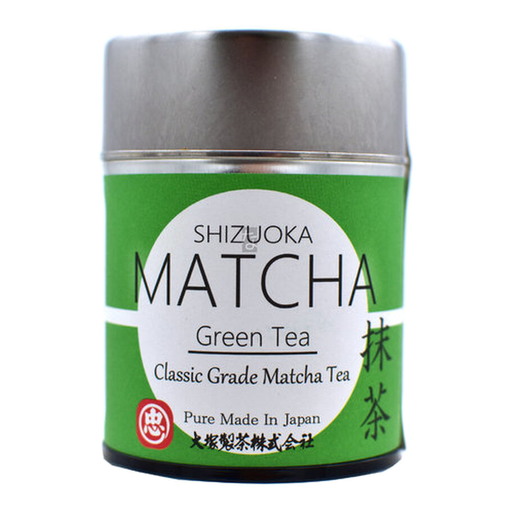
Why This Fits Their Persona: This user wants to experience matcha in its pure form. They appreciate the ritual of whisking and are looking for a high-quality powder from a renowned Japanese region that delivers a smooth, authentic flavour for traditional tea preparation.
It sidesteps the vague "ceremonial" label by providing specific quality markers: it's 100% pure matcha from Shizuoka, Japan and is traditionally stone-ground. This transparency ensures you're getting a quality product, not just a marketing term.
Its fine, silky texture and balanced umami flavour make it ideal for traditional whisked tea (usucha). The 30g can helps maintain freshness.
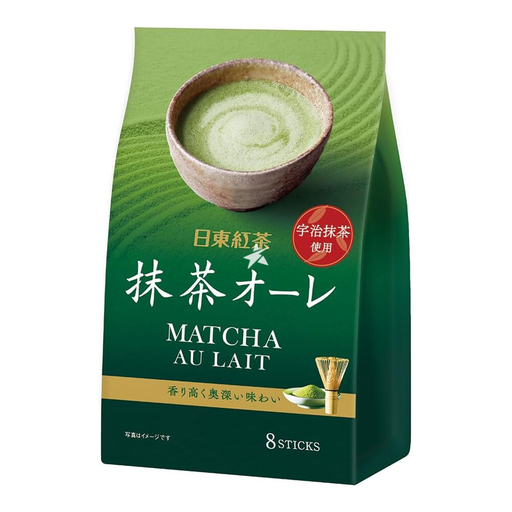
Why This Fits Their Persona: This person loves the taste of a café-style matcha latte but lacks the time and equipment for traditional preparation. They value convenience and portability for a quick, satisfying drink at the office or at home.
It is transparently an instant matcha mix. It doesn't pretend to be pure matcha, thus avoiding the hidden sugar trap by being upfront about its purpose: to create a sweet, creamy latte with minimal effort.
The single-serving sticks ensure consistency and are extremely portable. It can be made instantly with hot or cold water, offering year-round convenience.
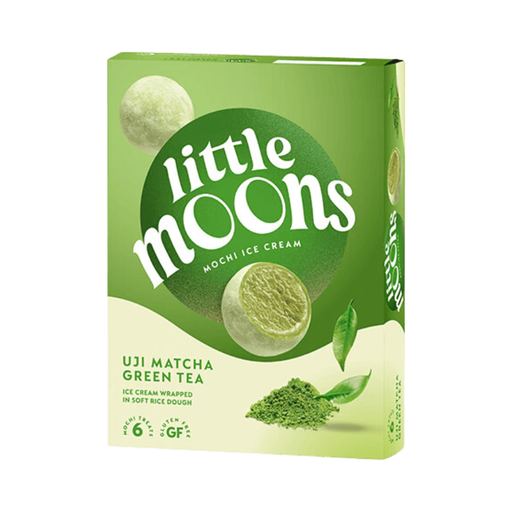
Why This Fits Their Persona: This user is a culinary explorer who enjoys trying new flavours and textures. They are drawn to matcha as a popular flavour in desserts and want a delicious, ready-to-eat treat rather than a drink to prepare themselves.
This is clearly a dessert, not a health product. It allows you to enjoy the authentic flavour of Uji matcha in a fun format, bypassing the entire process of selecting and preparing a powder, which can be a barrier for newcomers.
It offers a unique combination of textures: soft, chewy mochi dough and creamy matcha ice cream. It's a convenient, portion-controlled and indulgent way to enjoy the flavour.
We have compiled a complete, real-time list of products that fully satisfy these strict selection criteria and UK safety regulations.
The main difference lies in the leaves used and the resulting flavour. Ceremonial grade uses the youngest leaves, resulting in a finer powder with a smoother, more delicate and less bitter taste, making it ideal for drinking with just water. Culinary grade uses more mature leaves, giving it a bolder, more astringent flavour that holds its own when mixed with milk, sugar and other ingredients in lattes, smoothies, or baked goods.
For a traditional bowl of matcha, a bamboo whisk (chasen) is highly recommended. Its fine tines are designed to suspend the powder in the water and create the signature frothy layer. However, if you are making a matcha latte or adding powder to a smoothie, a small electric milk frother is an excellent and affordable alternative for creating a smooth, clump-free mixture.
Matcha is delicate and can lose its vibrancy if not stored correctly. Always keep it in an airtight container, away from direct sunlight, heat and strong odours. An opaque tin or resealable pouch in a cool, dark cupboard is sufficient. For higher-grade matcha that you want to preserve for longer, you can store the sealed container in the refrigerator.