
24/7 Customer Support

Free returns

Same-day & Next-day Delivery

Quality Guaranteed

Unlock Your Welcome Offers: FREE Delivery | Up to 80% OFF | Free 30-day JoyPlus trial
Download the APP
Matcha has moved from a niche Japanese tea ceremony ingredient to a UK high-street staple, appearing in everything from lattes to pastries. But as its popularity has grown, so has the confusion. With so many options available when you want to buy matcha online in the UK, it's easy to fall into common traps and end up with a product that disappoints.
As a Joybuy Product Recommendation Officer, my role is to help you navigate the market. We'll look past the clever packaging and marketing buzzwords to focus on what truly matters, ensuring you get the right matcha green tea for your needs, whether you're making a traditional brew, a creamy latte or a batch of delicious baked goods.
Before you add any matcha to your basket, be aware of these frequent issues that can lead to a poor experience:
To make a confident choice, focus on these core parameters instead of just the marketing claims.
Forget the buzzwords and use your senses. The most important attributes of a good matcha powder are its physical characteristics, which tell you about its origin and processing.
Your intended use should guide your purchase. There is no single "correct" type of matcha; it depends on what you want to do with it.
To help you find a product that matches your lifestyle, here are a few recommendations based on different user needs.
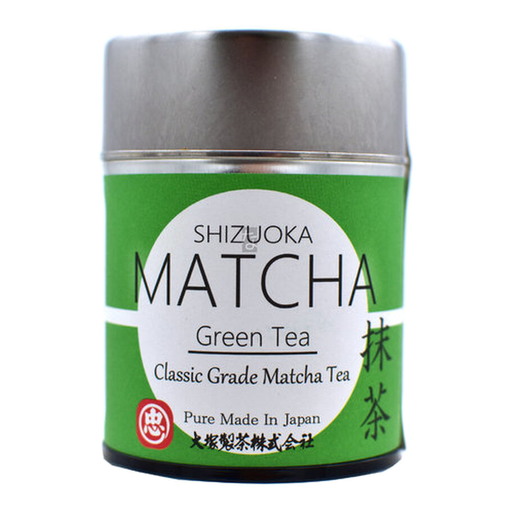
Why This Fits Their Persona: This is for the person who wants to move beyond instant mixes and control their own matcha creations. It's a pure powder from Shizuoka, a renowned tea region, making it ideal for learning to whisk a proper bowl of tea or perfecting a homemade latte.
It's 100% pure matcha with no hidden sugars or fillers. Its quality is based on its origin (Shizuoka) and fine texture, not an ambiguous "ceremonial" label.
Versatile for both drinking and culinary use. The airtight can preserves freshness and flavour.
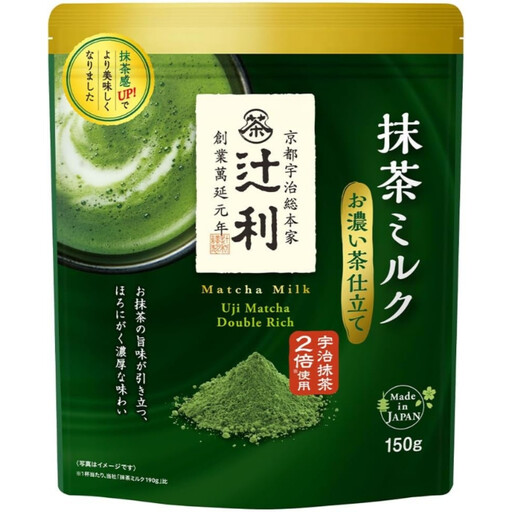
Why This Fits Their Persona: For the busy individual who loves the taste of a matcha latte but doesn't have the time for whisking. This instant mix from a well-known Japanese tea house delivers a consistently creamy and flavourful drink with minimal effort.
It is transparent about being a pre-sweetened mix, not pretending to be pure powder. The "Strong Type" indicates a focus on a robust matcha flavour, countering the trap of overly sugary, weak mixes.
Extremely convenient for a quick hot or cold latte. Delivers a balanced, rich matcha taste without any special equipment.
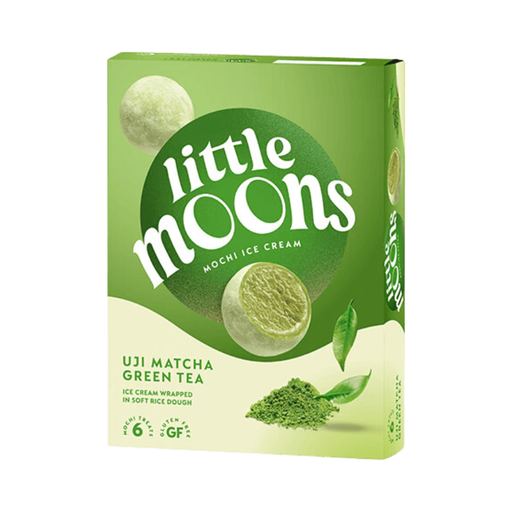
Why This Fits Their Persona: This is for someone who loves the unique flavour of matcha but prefers it in a ready-to-eat dessert. It combines the creamy texture of **matcha ice cream** with the chewy delight of **matcha mochi** for a perfect, portion-controlled treat.
This product sidesteps the powder-buying pitfalls entirely by offering a finished, high-quality dessert. You get a well-balanced matcha flavour without the guesswork of preparation.
A delicious, ready-to-eat treat that delivers an authentic matcha flavour. Gluten-free and perfectly portioned.
We have compiled a complete, real-time list of products that fully satisfy these strict selection criteria and UK safety regulations.
1. Why does my matcha taste bitter? Bitterness is usually caused by two things: water temperature or ratio. Never use boiling water, as it will scorch the delicate powder. The ideal temperature is around 70-80°C. If the water is cool enough, you may be using too much powder for the amount of liquid. Try reducing the amount of matcha for a smoother, less bitter taste.
2. How should I store my matcha powder to keep it fresh? Matcha is sensitive to light, air and heat, which degrade its colour and flavour. Once opened, it's best to store your matcha in an airtight container in the refrigerator. This slows down the oxidation process and helps preserve its vibrant green colour and rich umami notes for longer.
3. Can I use any matcha for baking? While you can use high-grade drinking matcha for baking, it's often not the most cost-effective choice. "Culinary grade" matcha for baking is specifically intended for this purpose. It typically has a stronger, more robust flavour profile that is designed to stand up to other ingredients like flour, sugar and butter, ensuring the matcha taste isn't lost in the final product.