
24/7 Customer Support

Free returns

Same-day & Next-day Delivery

Quality Guaranteed

Unlock Your Welcome Offers: FREE Delivery | Up to 80% OFF | Free 30-day JoyPlus trial
Download the APP
If you've ever tried to recreate a glistening, flavourful teriyaki sauce or a rich ramen broth at home, you've likely come across mirin in the recipe. This cornerstone of Japanese cuisine is responsible for adding a unique sweet-savoury depth and a beautiful glaze. However, when you decide to buy mirin online or in-store, you're met with a confusing array of bottles. Some are labelled "hon mirin," others "mirin-style," and their prices and ingredients vary wildly.
Many home cooks in the UK find themselves making a purchase that doesn't quite deliver the expected results. This guide, from your Joybuy Product Recommendation Officer, is here to help you navigate the common pitfalls and select the right Japanese sweet cooking wine for your kitchen.
Before you add a bottle to your basket, be aware of these frequent missteps that can lead to disappointing dishes and wasted money.
To make an informed choice, focus on these two non-negotiable factors. Understanding them will ensure you get the right product for your culinary needs.
This is the most significant distinction. The type you choose will depend on your recipe and dietary preferences.
Hon Mirin ("True Mirin"): This is the traditional form of mirin, created by fermenting glutinous rice, rice koji (a type of mould) and a distilled spirit. It has a natural, complex sweetness and a noticeable alcohol content, typically around 14%. This alcohol helps to tenderise meat, mellow fishy odours and allows flavours to penetrate ingredients more deeply. It is ideal for traditional simmered dishes (nimono), marinades and sauces where its nuanced flavour can be appreciated.
Mirin-Style Seasoning (Aji-Mirin): This category includes products often labelled as mirin seasoning or honteri mirin. They are formulated to replicate the sweetness and glazing properties of mirin but contain less than 1% alcohol, or none at all. Their sweetness typically comes from added syrups. They are excellent for creating the signature glaze on a teriyaki sauce ingredient list, for use in stir-fries, or for households avoiding alcohol. They are convenient, versatile and generally more affordable.
Always check the label for two key details: the source of sweetness and the presence of alcohol.
Based on these practical considerations, here are a few options matched to different types of home cooks in the UK.
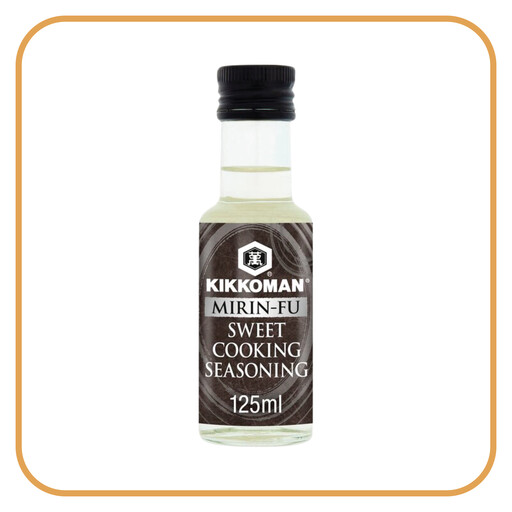
Why This Fits Their Persona: Perfect for someone trying their first Japanese recipe. This small, affordable bottle from a globally recognised brand provides the necessary sweetness and glaze for dishes like teriyaki or yakitori without the commitment to a large, expensive bottle of traditional mirin.
It avoids the pitfall of overspending on hon mirin when a simple, effective mirin-style seasoning is all that's needed to achieve the desired sweet glaze for many popular dishes.
Its non-viscous liquid format blends easily with other sauce ingredients and is less prone to burning during high-heat cooking. It's a reliable, low-risk entry point.
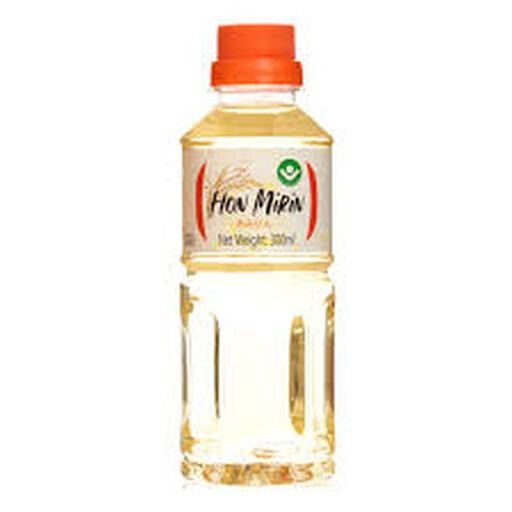
Why This Fits Their Persona: For the home cook dedicated to building an authentic pantry. This product's ingredients include rice, koji and rice alcohol, indicating a more traditional production method that delivers the complex umami and depth required for classic Japanese cooking.
This choice directly avoids the pitfall of using a simple syrup-based seasoning when a recipe calls for the nuanced, fermented flavour profile that only a more traditional mirin can provide.
The inclusion of rice alcohol and koji fermentation provides a deeper, more savoury flavour. It is excellent for simmered dishes, broths and marinades where flavour penetration is key.
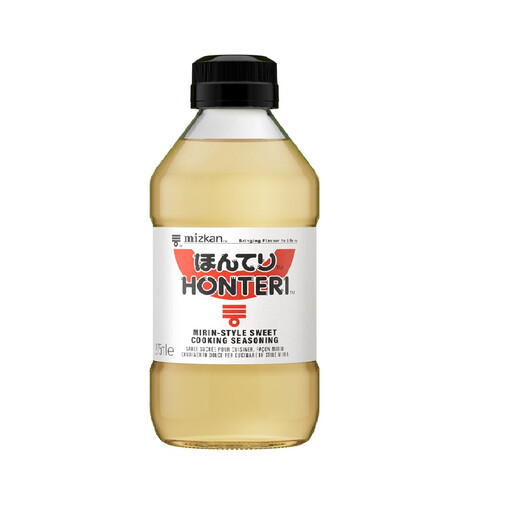
Why This Fits Their Persona: This cook needs a reliable, all-purpose product for quick meals. Honteri is a well-regarded type of mirin-style seasoning that excels at adding sweetness and a professional-looking glaze to everything from salmon fillets to vegetable stir-fries, without the alcohol.
It removes any confusion about alcohol content. As an alcohol-free seasoning, it's a straightforward choice for any cooking method, including quick glazes or un-cooked sauces.
Specifically formulated to provide the signature “teri” (glaze) of Japanese cuisine. Its versatility and balanced sweetness make it a dependable pantry staple for a wide range of dishes.
We have compiled a complete, real-time list of products that fully satisfy these strict selection criteria and UK safety regulations.
While you can create a mirin substitute by mixing a small amount of sugar into rice vinegar or dry white wine, the result will lack the umami and syrupy consistency of true mirin. This DIY approach can work in a pinch, but for a more authentic flavour and glaze, using a purpose-made mirin seasoning is a much better alternative.
Thanks to their high sugar and/or alcohol content, both hon mirin and mirin-style seasonings are quite stable. Once opened, it is advisable to store the bottle in the refrigerator to maintain its quality. It should last for at least three months, but always check the packaging for specific storage instructions and a best-before date.
No, they serve very different purposes.