
24/7 Customer Support

Free returns

Same-day & Next-day Delivery

Quality Guaranteed

Unlock Your Welcome Offers: FREE Delivery | Up to 80% OFF | Free 30-day JoyPlus trial
Download the APP
Mochi ice cream has become a staple frozen dessert in many UK households, moving from a niche treat to a mainstream favourite. These delightful Japanese ice cream balls, with their soft, chewy rice dough exterior and creamy core, offer a unique texture and flavour experience. However, as their popularity has grown, so has the number of options, making it harder to choose. Many shoppers find themselves disappointed by products that don't live up to the hype.
As the Joybuy Product Recommendation Officer, my role is to help you navigate the freezer aisle. This guide will highlight common pitfalls to avoid and break down the key features to look for, ensuring your next purchase is a satisfying one.
Before you add a box to your basket, be aware of a few frequent issues that can lead to a disappointing experience.
vegan mochi ice cream options have appeared. While some are excellent, others fail to replicate the creamy mouthfeel of their dairy counterparts, ending up with an icy, chalky or bland filling that feels like a compromise.To ensure you get a delicious and authentic-tasting frozen dessert, focus on these three key parameters when you buy mochi ice cream online.
The outer layer is what defines mochi. It should be made from glutinous rice flour (also known as mochigome). This is what gives it that distinctive soft and chewy quality. High-quality brands often take pride in their dough's texture. A good indicator of a well-made product is the "five-minute rule" often printed on the packaging. This advises letting the Japanese ice cream balls rest at room temperature for a few minutes before eating, allowing the dough to soften to its ideal consistency. If the dough is still hard after this time, it may be a sign of a lower-quality product.
The heart of the mochi is its filling. Look at the ingredients list to understand what you are really getting.
matcha mochi.vegan mochi ice cream, the base is crucial. Formulations using coconut milk or hazelnut paste are often successful at creating a creamy, satisfying texture that avoids the iciness of water-based sorbets.Consider how you plan to enjoy your mochi. Most standard packs contain six pieces, which is ideal for a personal treat or sharing between two. For families, parties or dedicated fans, a mochi multipack or bundle can offer better value and a variety of flavours to try.
Additionally, while traditional mochi dough is gluten-free, always check the packaging for "gluten-free" certification and allergen warnings, as cross-contamination can occur or gluten-containing ingredients may be added to the ice cream filling.
To help you choose, here are a few options that align with different preferences and needs, based on the criteria we've discussed.
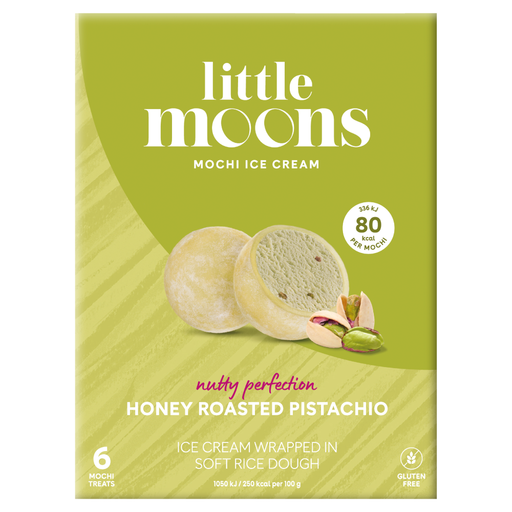
Why This Fits Their Persona: This profile seeks novel and sophisticated flavours beyond the usual. The combination of honey-roasted pistachio offers a nutty, complex and subtly sweet profile that appeals to a more developed palate.
It sidesteps the "Flavour Fallacy" by using real hazelnut paste and quality ingredients to build a nuanced taste, rather than relying on artificial flavourings.
Features a sophisticated, nutty flavour profile. The brand's "5-minute wait" guidance helps ensure the mochi dough reaches its intended soft texture.
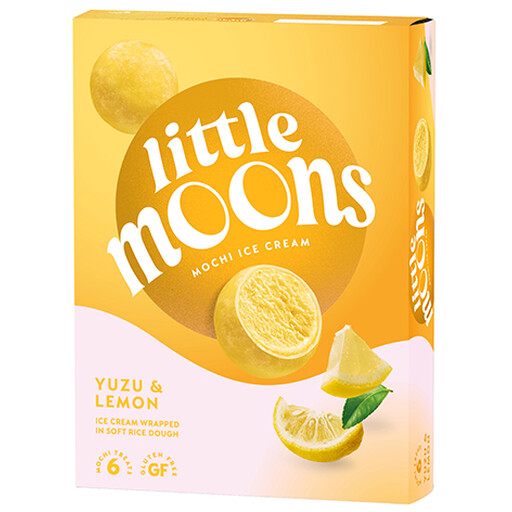
Why This Fits Their Persona: This user actively seeks high-quality vegan options that don't compromise on taste or texture. This mochi delivers a bright, refreshing citrus flavour that is naturally suited to a non-dairy base.
It directly counters the "Vegan Veneer" pitfall by using a coconut milk base to achieve a creamy texture, avoiding the chalkiness of lesser plant-based frozen desserts.
Specifically formulated for a vegan diet. The use of real yuzu and lemon purée provides a genuinely tart and refreshing flavour.
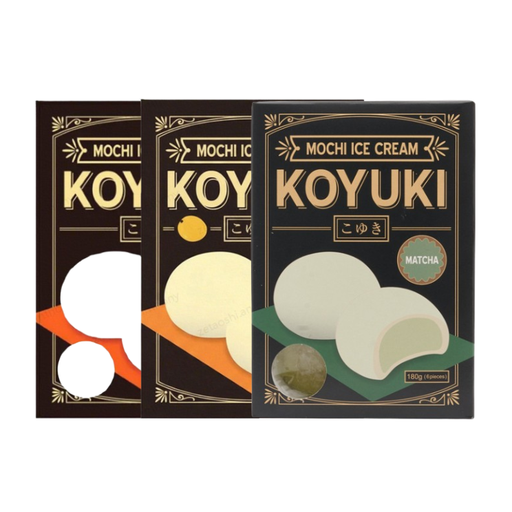
Why This Fits Their Persona: Perfect for those who want variety and value. This bundle provides three different flavours (Matcha, Vanilla and Mango), catering to different tastes within a family or group and offering a convenient way to stock the freezer.
This mochi multipack mitigates the risk of the "Flavour Fallacy" by offering variety. If one flavour isn't a favourite, there are others to try, preventing the disappointment of being stuck with a full box of one kind.
Offers a convenient mix of classic and authentic Japanese flavours. It's a cost-effective way to please multiple people or discover your preferred taste.
We have compiled a complete, real-time list of products that fully satisfy these strict selection criteria and UK safety regulations.
Here are answers to a few common questions shoppers have when buying mochi ice cream.
Most brands, including Little Moons mochi, recommend letting the individual pieces rest at room temperature for 3 to 5 minutes after taking them out of the freezer. This short wait is crucial for achieving the intended texture: a soft, pliable mochi dough exterior with a firm but not rock-solid ice cream centre.
The mochi dough itself is made from glutinous rice flour, which is naturally free from gluten. This means that many mochi ice cream products are suitable for a gluten-free diet. However, it is essential to always check the full ingredients list and allergen statements on the packaging. Some ice cream fillings or flavourings could potentially contain gluten, and there is also a risk of cross-contamination during production.
While we avoid making subjective quality judgements, shoppers can identify differences by looking at the product descriptions and ingredient lists. For example, some brands may focus on a gelato-style filling, which is denser and often richer in flavour. Others might specialise in authentic East Asian flavours like black sesame or yuzu. The choice often comes down to your personal preference for flavour intensity, dough texture and whether you prefer traditional dairy or plant-based ingredients.