
24/7 Customer Support

Free returns

Same-day & Next-day Delivery

Quality Guaranteed

Unlock Your Welcome Offers: FREE Delivery | Up to 80% OFF | Free 30-day JoyPlus trial
Download the APP
From chewy, sweet daifuku to delightful balls of mochi ice cream, it has never been easier to find and buy mochi online in the UK. Yet, this convenience comes with its own set of challenges. Many shoppers, drawn in by colourful packaging, end up with snacks that miss the mark on texture or flavour. A disappointing purchase often stems from a few common pitfalls that are easy to fall into when browsing the huge selection of Japanese and Korean snacks online.
As the Joybuy Product Recommendation Officer, my role is to help you navigate the market. Before you add that tempting box to your cart, let’s look at the frequent issues and what to check for to ensure you get the delicious experience you are looking for.
To avoid these pitfalls, focus on a few core parameters. Understanding these will help you select the right product, whether you are after traditional Japanese snacks online or trendy Asian sweets UK-wide.
The word "mochi" can refer to several different products. Identifying which one you want is the first step.
The quality of mochi is determined by its ingredients. Two things are particularly important:
Always take a moment to review the full ingredient list and any provided allergen information.
To help you start your search, we have matched a few standout products to different preferences, explaining how they align with our selection criteria.
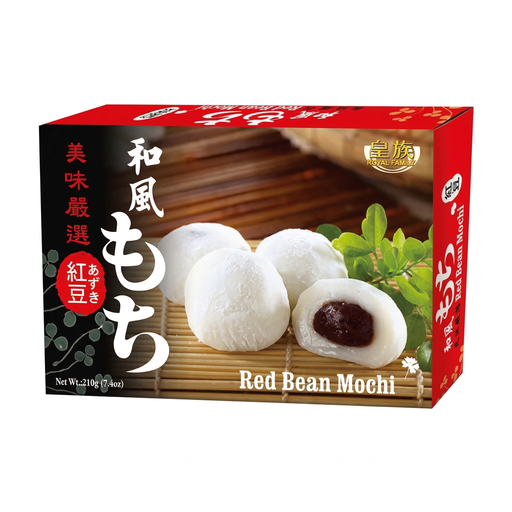
Why This Fits Their Persona: This is an excellent starting point for anyone new to mochi. It offers the most traditional flavour combination—soft, chewy rice dough with a sweet red bean paste filling—at an accessible price point, making it ideal for a first taste.
It avoids the "authenticity" trap by delivering exactly what it promises: a classic, Japanese-style daifuku with a familiar flavour. The texture is reliably soft and chewy, providing a benchmark for what good shelf-stable mochi should feel like.
Individually packaged for convenience and freshness. A classic flavour profile that serves as a great introduction to traditional Asian sweets.
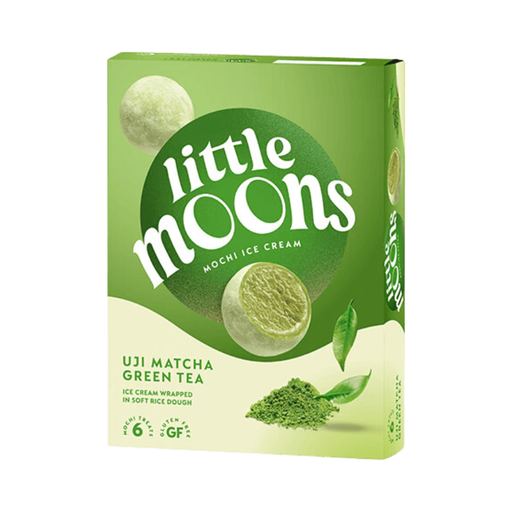
Why This Fits Their Persona: For those who have seen mochi ice cream on social media, Little Moons is the brand they are likely looking for. This matcha green tea flavour offers a sophisticated and popular taste that aligns with current food trends.
This product sidesteps the "texture disappointment" pitfall by being exactly what it claims to be: a frozen dessert. The brand's guidance to wait 5 minutes before eating ensures the consumer experiences the intended soft mochi and creamy ice cream texture.
Made with gelato-style ice cream for a more intense flavour. The product is also gluten-free, catering to a common dietary requirement.
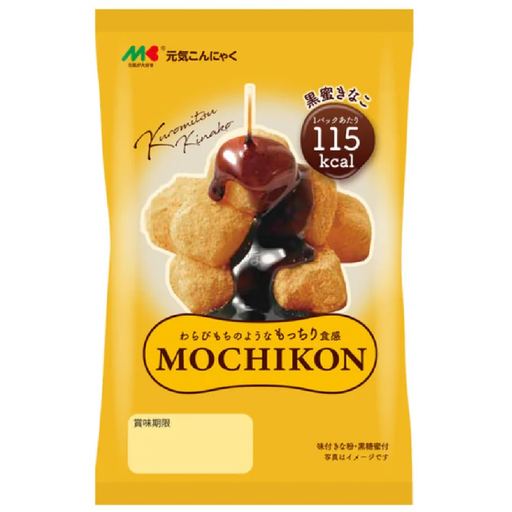
Why This Fits Their Persona: This is for the snacker seeking a novel experience or those requiring Halal-certified options. It is not a traditional rice mochi, but a konjac-based sweet with a unique, bouncy texture and an interactive "DIY" element.
It avoids the "dietary mismatch" pitfall by being clearly labelled as Halal. It also manages texture expectations by being described as konjac-based, which has a different chewiness from glutinous rice mochi.
Officially Halal certified. The separate packets of roasted soybean powder (kinako) and black honey syrup (kuromitsu) allow you to customise the flavour intensity.
We have compiled a complete, real-time list of products that fully satisfy these strict selection criteria and UK safety regulations.
The main difference is the filling and serving temperature. Traditional mochi (or daifuku) is a shelf-stable sweet with a filling like red bean or fruit paste, and it is eaten at room temperature. Mochi ice cream has a frozen ice cream filling and must be stored in a freezer, then thawed for a few minutes before eating to achieve the right soft and chewy texture.
This depends entirely on the type. Mochi ice cream must be placed in the freezer immediately upon delivery and kept at -18°C. Shelf-stable daifuku mochi should be stored in a cool, dry place away from direct sunlight. Once opened, it is best to consume it within a few days or follow the storage instructions on the package.
No, not necessarily. While the basic mochi dough is made from glutinous rice flour (which is naturally gluten-free), some recipes may include other ingredients. Fillings are a common source of allergens; cream or milk-based fillings are not vegan, and nut pastes are common. Always check the ingredients list for "milk," "eggs" or other animal products if you are seeking a vegan mochi. Similarly, check for a "gluten-free" certification, as some ingredients or production facilities may introduce gluten.