
24/7 Customer Support

Free returns

Same-day & Next-day Delivery

Quality Guaranteed

Unlock Your Welcome Offers: FREE Delivery | Up to 80% OFF | Free 30-day JoyPlus trial
Download the APP
From viral social media trends to the refrigerated aisles of local supermarkets, mochi has become a familiar treat for many in the UK. These soft, chewy rice cakes offer a unique texture and a world of flavours. However, as you look to buy mochi online, it's easy to fall into a few common traps that lead to disappointment. Many shoppers end up with a product that doesn't match their expectations, whether it's a texture that's too tough or a flavour that's surprisingly different.
As the Joybuy Product Recommendation Officer, my role is to help you navigate the options and understand what you're buying. Here are the key pitfalls to watch out for:
To ensure you choose the right product, focus on a few core parameters. This will help you filter through the marketing and select a mochi that truly suits your taste.
The first step is identifying the fundamental type of mochi. They are not all interchangeable and serve different purposes.
The filling defines the character of the mochi. Knowing what to expect is key to a satisfying purchase.
The signature chewiness of mochi comes from its primary ingredient: glutinous rice flour. This is not the same as standard rice flour and is essential for creating the correct texture. The proportion of glutinous rice, along with other ingredients like maltose, sugar and starches, determines the final softness and chewiness. Products with a higher glutinous rice and maltose content often have a more tender, pliable texture.
To help you choose, we've matched a few standout options to different tastes and preferences, explaining how they deliver on their promise.
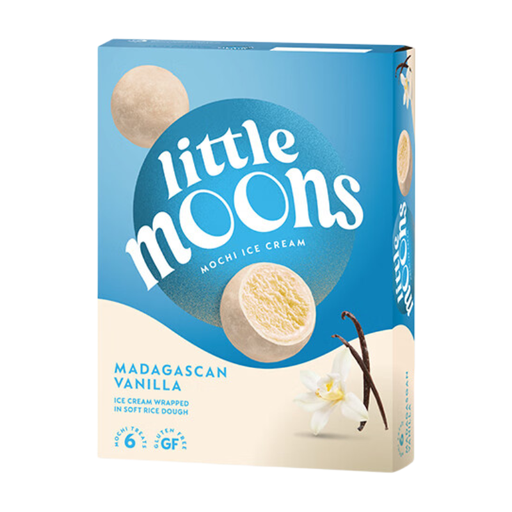
Why This Fits Their Persona: This is the ideal choice for anyone who has seen mochi ice cream trending online and wants to try the definitive version. It's an accessible, high-quality introduction to the world of frozen mochi, perfect for a satisfying dessert or snack.
It directly avoids the "Frozen vs. Shelf-Stable" mix-up by being exactly what it claims to be: creamy ice cream wrapped in soft mochi dough. There are no surprises here, just the satisfying experience seen on social media.
The ice cream is churned to have less air, resulting in a more intense Madagascan vanilla flavour. The bite-sized portions are convenient for a controlled treat.
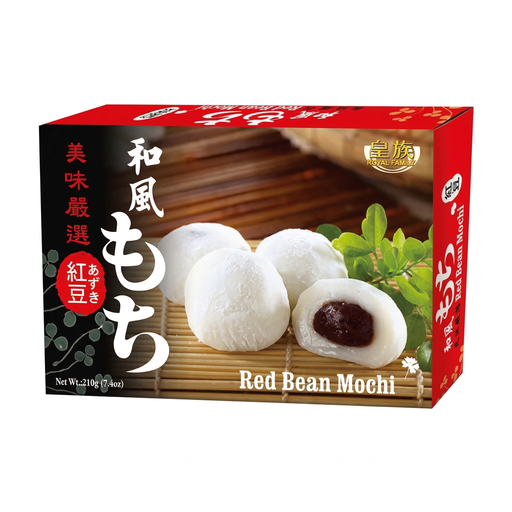
Why This Fits Their Persona: This is for someone looking for a classic, authentic daifuku experience. It's an ideal choice for fans of traditional Japanese and East Asian desserts who appreciate the timeless combination of soft rice cake and sweet red bean paste.
It sidesteps the "Flavour Mismatch" trap by delivering exactly what a traditionalist expects: a sweet, dense red bean filling with a rich aroma, not a modern, sugary substitute. The texture is soft and chewy as it should be.
This product uses Japanese-style mochi techniques for a soft outer skin. It is also individually packaged, making it convenient for sharing or as a portion-controlled snack.
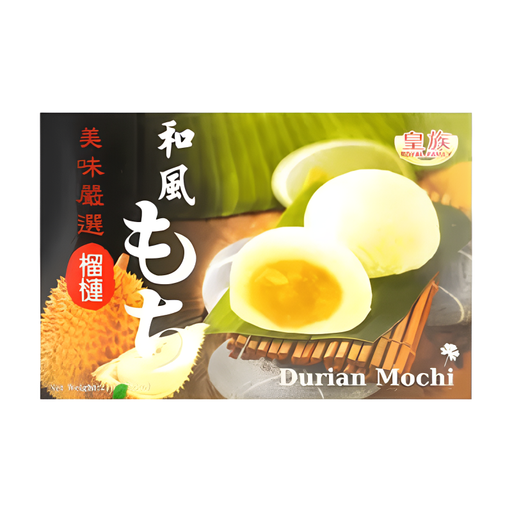
Why This Fits Their Persona: This is for the foodie who actively seeks out bold, unique and authentic flavours from around the world. If you enjoy the distinctive taste of durian, this mochi offers an intense and satisfying experience that goes beyond the usual options.
This product is for someone intentionally avoiding standard flavours. It fully embraces its unique profile, delivering a rich and creamy durian paste filling that is authentic and unapologetic, ensuring no disappointment for a true durian enthusiast.
The intense durian flavour provides an authentic taste experience. The soft, chewy mochi skin creates a delightful textural contrast with the creamy filling.
We have compiled a complete, real-time list of products that fully satisfy these strict selection criteria and UK safety regulations.
Storage depends entirely on the type. Mochi ice cream must be kept frozen at or below -18°C until you're ready to eat it. For the ideal texture, let it sit at room temperature for about 5 minutes before serving. Shelf-stable daifuku should be stored in a cool, dry place away from direct sunlight. Once the package is opened, it's best to consume it within a few days to prevent it from hardening.
Traditionally, mochi is made from glutinous rice flour, which, despite its name, is naturally gluten-free. Many mochi products, including those from brands like Little Moons, are suitable for a gluten-free diet. However, it is essential to always check the ingredients list on the packaging. Some products may include additives, flavourings or be produced in facilities that handle wheat, posing a risk of cross-contamination.
The terms are often used interchangeably, but there is a distinction. Mochi is the general name for the Japanese rice cake made from pounded glutinous rice. Daifuku, which translates to "great luck," is a specific type of confection where a piece of mochi is filled with a sweet stuffing, most famously anko (sweet red bean paste). So, most of the filled, round mochi snacks you see are technically a type of daifuku.