
24/7 Customer Support

Free returns

Same-day & Next-day Delivery

Quality Guaranteed

Unlock Your Welcome Offers: FREE Delivery | Up to 80% OFF | Free 30-day JoyPlus trial
Download the APP
Mochi has become a firm favourite in the UK, moving from a niche Asian dessert to a mainstream treat found in many freezers. With its unique chewy texture and endless flavour combinations, it's easy to see why. However, as its popularity has grown, so has the number of options available online, making it difficult to distinguish between a delightful treat and a disappointing purchase.
As a Joybuy Product Recommendation Officer, my role is to help you navigate the market. Many shoppers find themselves let down by products that don't live up to expectations. Before you buy mochi online, let's look at a few common pitfalls to avoid.
To ensure you get a product you'll genuinely enjoy, focus on a few key parameters. These details separate the truly satisfying chewy rice cakes from the forgettable ones.
The foundation of any good mochi is the dough. The authentic, satisfying chewiness comes from a high percentage of glutinous rice (also called sweet rice). This ingredient is naturally sticky and elastic when cooked. Another key ingredient to look for is maltose, a type of sugar syrup that contributes to the soft texture and subtle sweetness without being overpowering.
When looking at an ingredients list, check how high up glutinous rice and maltose appear. If you see a long list of modified starches and thickeners near the top, the texture may lean more towards artificially gummy than traditionally soft and chewy.
The world of mochi fillings is vast, but they generally fall into three categories:
This might seem basic, but it's crucial for the best experience. Mochi comes in two main types:
To help you choose, here are a few recommendations matched to different preferences, all available for delivery in the UK.
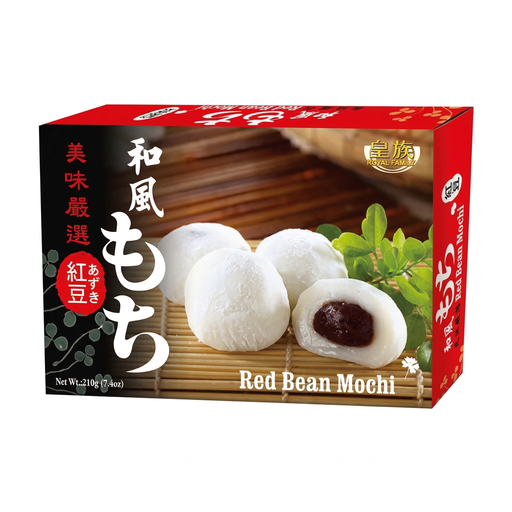
Why This Fits Their Persona: This is ideal for someone seeking an authentic Japanese mochi experience. The classic red bean (anko) filling and soft, chewy daifuku texture are perfect for enjoying with a cup of green tea, offering a taste of traditional Asian desserts.
It sidesteps the "faint flavour" issue by using a substantial red bean paste filling, delivering a rich, sweet and earthy flavour that is distinct and satisfying, not just a hint of sweetness.
Shelf-stable and individually packaged, it offers great convenience. There's no need for freezer space, making it an easy-to-store treat for any time.
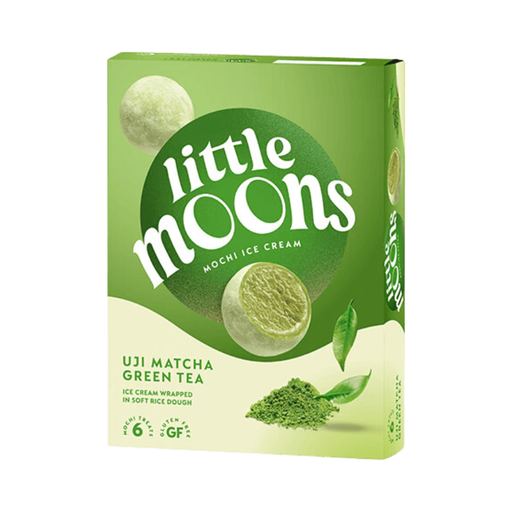
Why This Fits Their Persona: For those who love the trendy combination of mochi and ice cream, this is a go-to choice. It's perfect for a modern, bite-sized dessert and appeals to UK consumers who discovered mochi through social media and popular brands.
This product avoids the "ice cream illusion" by using a creamy gelato-style ice cream made with whole milk and double cream. The use of 1.5% green tea powder ensures a robust, earthy matcha flavour.
It is explicitly gluten-free, catering to specific dietary needs. The brand's advice to wait 5 minutes before eating helps ensure the consumer enjoys the intended soft mochi and flavourful ice cream texture.
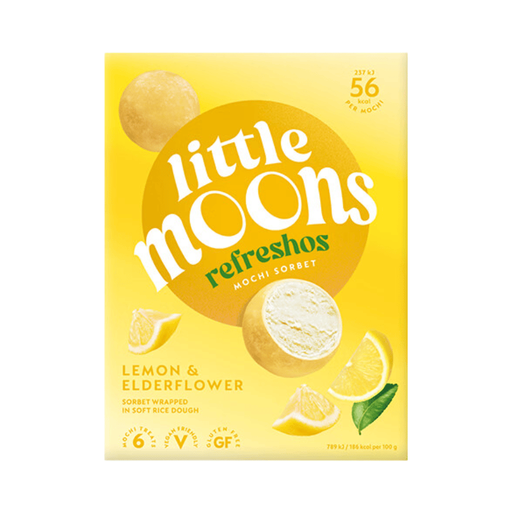
Why This Fits Their Persona: This is for the foodie who enjoys unique, contemporary flavour pairings. The combination of zesty lemon and fragrant elderflower offers a sophisticated, refreshing taste that feels distinctly British while using a Japanese dessert format.
It avoids the "icy illusion" by using a high-quality sorbet with 5.3% lemon juice. This ensures a bright, authentic citrus flavour, not a watery or artificially flavoured filling. It's also suitable for vegans.
This sorbet-based mochi is a lighter alternative to ice cream versions and is suitable for vegans. The flavour profile is refreshing and perfect for a summer dessert or a light palate cleanser.
We have compiled a complete, real-time list of products that fully satisfy these strict selection criteria and UK safety regulations.
Technically, mochi refers to the plain cake made from pounded glutinous rice. Daifuku is a confection made from a piece of mochi stuffed with a sweet filling, most commonly red bean paste (anko). In the UK, the term "mochi" is widely used as an umbrella term to describe these filled treats, whether they contain paste or ice cream.
Always check the product's packaging for specific instructions. As a general rule:
Mochi is traditionally made from glutinous rice flour, which is naturally gluten-free. Many brands, such as Little Moons, explicitly label their products as gluten-free. However, some mochi or their fillings may include ingredients containing gluten, or they may be produced in facilities that handle wheat. If you have a gluten allergy or coeliac disease, it is essential to always check the ingredients list and any allergen warnings on the packaging.