
24/7 Customer Support

Free returns

Same-day & Next-day Delivery

Quality Guaranteed

Unlock Your Welcome Offers: FREE Delivery | Up to 80% OFF | Free 30-day JoyPlus trial
Download the APP
Mochi has become a staple for anyone in the UK seeking unique and satisfyingly chewy snacks. These Japanese rice cakes, with their soft, pillowy texture and diverse fillings, offer a delightful alternative to typical biscuits and chocolates. However, as you browse online, you'll find a vast array of options, and not all are created equal. Many first-time buyers end up disappointed, and it's usually due to a few common, avoidable pitfalls.
Before you add that promising-looking box to your cart, let's discuss the frequent issues that can turn a treat into a letdown. Many find their mochi is either rock-hard or unpleasantly sticky, a far cry from the soft, bouncy texture they expected. Others are met with bland, overly sugary fillings that taste nothing like the advertised matcha or red bean. Perhaps the most common mistake is improper storage—buying a frozen variety and leaving it in the cupboard, resulting in a mushy mess. This guide will help you navigate these challenges to find a mochi that truly delivers.
To ensure you buy mochi online with confidence, it helps to understand what separates a high-quality product from a disappointing one. Focus on these core parameters before making a choice.
The most critical factor is understanding the type of mochi you are buying, as this dictates how it must be stored to maintain its texture.
Always check the product description for storage instructions like "Keep frozen" or "Store in a cool, dry place." This simple check prevents the most common texture-related disappointments.
The filling is the heart of the mochi. The difference between a memorable and a forgettable experience often comes down to the quality of what's inside.
The defining characteristic of mochi is its uniquely soft and chewy snack texture. This comes from glutinous rice flour (also known as mochigome). The quality and preparation of this dough are paramount. While it's difficult to judge from a description alone, brands that specialise in mochi often have a well-honed process. The ingredients list should prominently feature glutinous rice and maltose, which contributes to the soft, pliable texture. A dry, chalky or overly tough mochi often indicates old stock or a poor-quality recipe.
To help you choose, we've matched some popular options to different tastes and preferences.
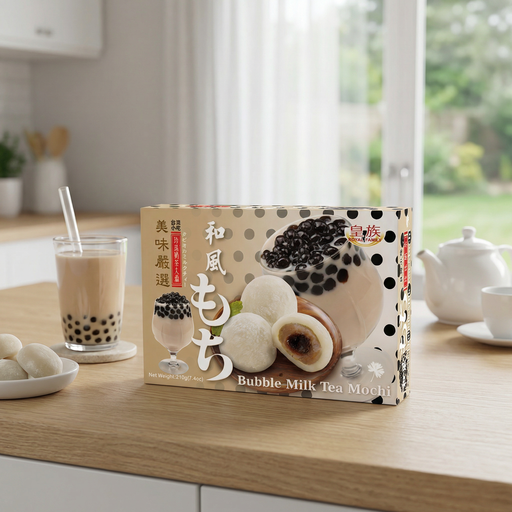
Why This Fits Their Persona: This is for the trend-aware individual who loves trying modern twists on classic foods. The bubble tea flavour is instantly recognisable and offers a fun, novel experience that's perfect for sharing with friends or enjoying as an afternoon pick-me-up.
It sidesteps the "bland flavour" pitfall by using a distinct bubble milk tea paste with black tea powder, delivering an authentic taste. As a shelf-stable product, it eliminates storage confusion for newcomers.
Combines the popular flavour of bubble tea with the classic chewy mochi texture. It's an accessible and exciting entry point into the world of Asian desserts.
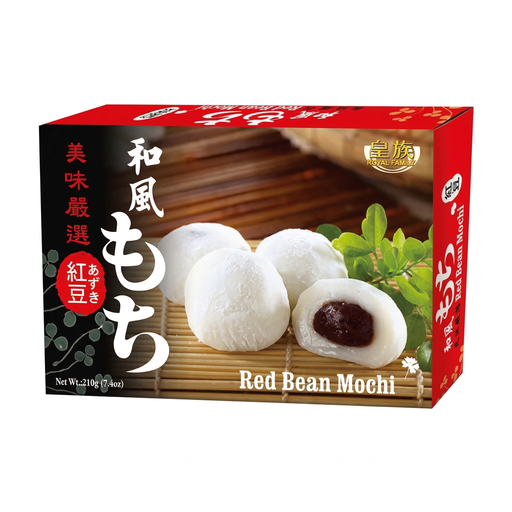
Why This Fits Their Persona: This is for someone who appreciates the timeless flavours of Japanese confectionery. They are looking for an authentic red bean daifuku experience with a balanced, not-too-sweet filling and a properly soft, chewy texture.
This product avoids the "flavour mismatch" trap by using a classic red bean paste that provides an earthy sweetness. The Japanese-style technique ensures the outer skin is soft and chewy, meeting traditional expectations.
Offers a classic, reliable flavour profile that is central to Japanese rice cakes. It is individually packaged for convenience, making it easy to enjoy one at a time while keeping the rest fresh.
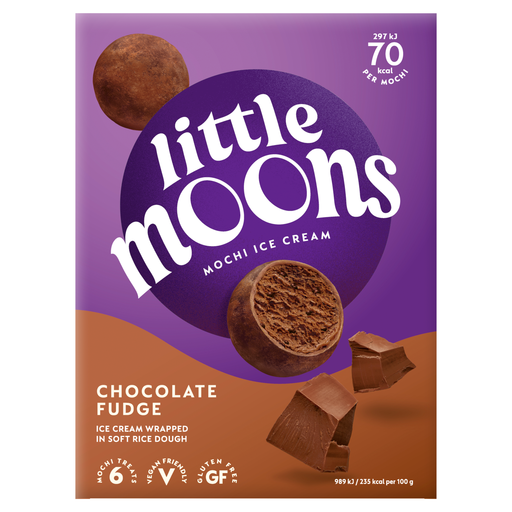
Why This Fits Their Persona: Ideal for someone hosting a dinner party or looking for a sophisticated, convenient frozen dessert. Mochi ice cream is a conversation starter and offers a perfectly portioned, no-fuss treat to impress guests.
This product completely avoids the storage trap, as it is clearly a frozen item. The combination of creamy ice cream and chewy mochi dough provides a complex, satisfying texture that avoids the "hard and chalky" pitfall.
A convenient, bite-sized frozen dessert that requires no preparation. The chocolate fudge flavour has wide appeal, and the product is also suitable for a vegan diet.
We have compiled a complete, real-time list of products that fully satisfy these strict selection criteria and UK safety regulations.
1. How should I store mochi once I buy it? This depends entirely on the type. Always check the packaging. Shelf-stable mochi (like most daifuku) should be kept in a cool, dry cupboard away from sunlight. Once opened, keep it in an airtight container and consume within a few days. Mochi ice cream must be stored in the freezer at -18°C. Chilled mochi should be kept in the refrigerator.
2. Is mochi gluten-free? Traditional mochi is made from glutinous rice flour, which, despite its name, is naturally gluten-free. However, some modern mochi products, especially those with complex fillings like cheesecake or tiramisu, may contain ingredients with gluten. Furthermore, there is always a risk of cross-contamination in facilities that handle wheat. Always check the allergen information on the label if you have a severe allergy or coeliac disease.
3. How long does mochi last after opening? For shelf-stable, individually wrapped mochi, unopened packets will last until the 'best before' date. Once a main pack is opened, it's best to consume the mochi within 2-3 days for optimal texture, keeping it sealed to prevent it from drying out. Frozen mochi should be consumed immediately after thawing and should not be refrozen.