
24/7 Customer Support

Free returns

Same-day & Next-day Delivery

Quality Guaranteed

Unlock Your Welcome Offers: FREE Delivery | Up to 80% OFF | Free 30-day JoyPlus trial
Download the APP
Mochi, the delightfully soft and chewy Japanese rice cake, has become a firm favourite across the UK. Whether you've discovered it in a local Asian supermarket or are curious to try it for the first time, the convenience of being able to buy mochi online has made this unique treat more accessible than ever. However, not all mochi is created equal. With so many options available, it's easy to end up with a product that doesn't live up to the authentic experience.
As the Joybuy Product Recommendation Officer, my role is to help you navigate the choices. This guide will highlight a few common pitfalls to watch out for and explain the key factors that separate a satisfyingly chewy treat from a disappointing one, ensuring your next purchase is a delight.
Venturing into the world of Asian snacks should be exciting, but a few issues can lead to a less-than-perfect experience. Here’s what to look out for:
To avoid these pitfalls, focus on a few key details. A quick check of the product description can tell you everything you need to know.
The foundation of all mochi is glutinous rice flour. This is non-negotiable. It's what gives these Japanese rice cakes their characteristic chew. The quality and preparation of this flour directly impact the final texture. While you can't always know the production method, look for products that clearly state "glutinous rice" or "glutinous rice flour" high up in the ingredients list, not just "starch".
The filling is where mochi truly shines. Traditional daifuku is a soft mochi filled with anko (sweet red bean paste). When looking for red bean mochi, check if "red bean paste" or "red beans" are listed as a primary filling ingredient, not just sugar and flavouring. For fruit varieties, look for "puree" or "fruit paste" rather than just "flavour". This small detail often separates an authentic taste from an overly sweet imitation.
Pay close attention to the product type. Is it ready-to-eat, or does it need preparation?
Understanding this distinction is crucial for managing your expectations and enjoying the product as intended.
Based on these criteria, here are a few recommendations tailored to different tastes and preferences for those looking to explore Asian snacks in the UK.
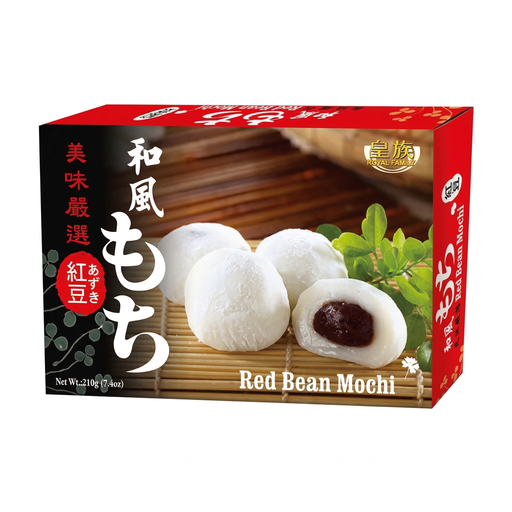
Why This Fits Their Persona: This is an excellent starting point for anyone in the UK wanting to try the most classic mochi flavour. The red bean paste (*anko*) offers an authentic, earthy sweetness that serves as a benchmark for traditional Japanese-style desserts.
It sidesteps the "flavour vs. flavouring" pitfall by using a genuine red bean paste filling, delivering a classic taste rather than an overly sugary, artificial one.
Individually packaged for freshness and convenience. The shelf-stable format makes it an easy-to-store pantry snack.
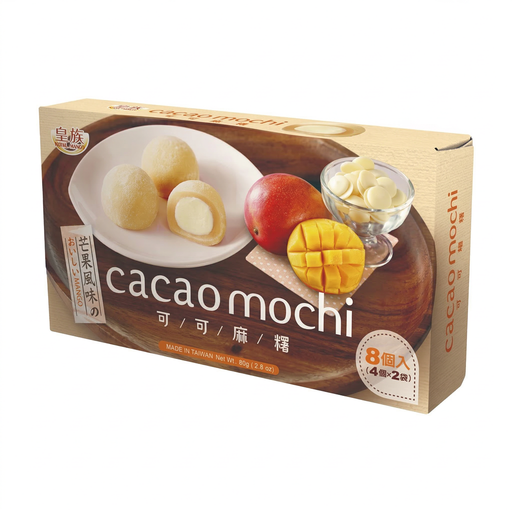
Why This Fits Their Persona: For the snacker who loves fusion flavours, this mochi offers a modern twist. The combination of a rich cocoa-infused outer layer and a sweet, tangy mango filling is unexpected and perfect for those looking to try something new.
This product delivers a distinct and clear flavour profile. The use of mango puree and cocoa powder provides a genuine taste experience that stands apart from generic "fruit" or "chocolate" flavourings.
A unique flavour combination that blends tropical fruitiness with rich chocolate notes. The bite-sized format makes it a great on-the-go treat.
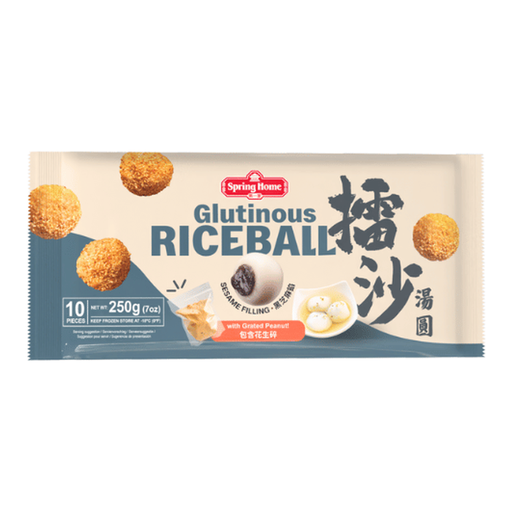
Why This Fits Their Persona: This is for the person who wants to create a warm, comforting dessert at home. These glutinous rice balls (Tang Yuan) are cooked from frozen, offering a cosy, homemade feel that's perfect for a chilly evening or a special occasion.
By requiring cooking, it completely avoids the "texture trap" of firm, shelf-stable products. Boiling them ensures a perfectly soft, warm and chewy texture every time.
Delivers a fresh, restaurant-quality dessert experience at home. The accompanying peanut coating adds a delightful crunch and nutty flavour.
We have compiled a complete, real-time list of products that fully satisfy these strict selection criteria and UK safety regulations.
This is a common point of confusion. Mochi is the general term for the Japanese rice cake made from glutinous rice. Daifuku is a specific type of confection where a piece of soft mochi is wrapped around a sweet filling, most traditionally anko (red bean paste). So, all daifuku are mochi, but not all mochi are daifuku.
Storage instructions are crucial and depend on the type you buy.
Mochi is a confectionery, and like most sweet treats, it is best enjoyed in moderation. Its main ingredients are glutinous rice and sugar, making it a source of carbohydrates. While delicious, it should be considered a dessert or an occasional snack within a balanced diet.