
24/7 Customer Support

Free returns

Same-day & Next-day Delivery

Quality Guaranteed

Unlock Your Welcome Offers: FREE Delivery | Up to 80% OFF | Free 30-day JoyPlus trial
Download the APP
Mochi has become a delightful fixture in the UK's snack scene, offering a unique chewy texture and a world of flavours. However, as you look to buy mochi online, it's easy to fall into a few common traps. Many shoppers find themselves disappointed by products that promise an authentic experience but deliver a bland, overly firm texture or an artificially sweet filling.
As the Joybuy Product Recommendation Officer, my role is to help you navigate the market. This guide will break down what truly matters when selecting these popular Japanese snacks, ensuring your next purchase is a satisfying one. We'll look past the marketing and focus on the key details that separate a memorable treat from a forgettable one.
Before adding to your basket, be aware of these frequent issues that can lead to a disappointing purchase:
To avoid these pitfalls, focus on these three core parameters. They are the key to understanding what you're actually buying.
The foundation of any mochi is its dough. The texture is dictated by its primary ingredients.
The heart of a filled mochi, or daifuku, is its filling. The quality here is paramount.
While both are delicious, there are subtle differences in style that can affect your enjoyment.
Based on these criteria, here are a few recommendations tailored to different tastes and preferences.

Why This Fits Their Persona: This is for the person seeking an authentic Japanese tea culture experience. It prioritises the genuine, earthy flavour of matcha over pure sweetness, making it a refined choice for a discerning palate.
It directly counters the "artificial flavour" pitfall by using high-quality matcha powder sourced from Kyoto, delivering a balanced and authentic taste with a subtle bitterness.
Made in Japan with a focus on traditional techniques. The soft, pillowy mochi texture perfectly complements the rich matcha filling.
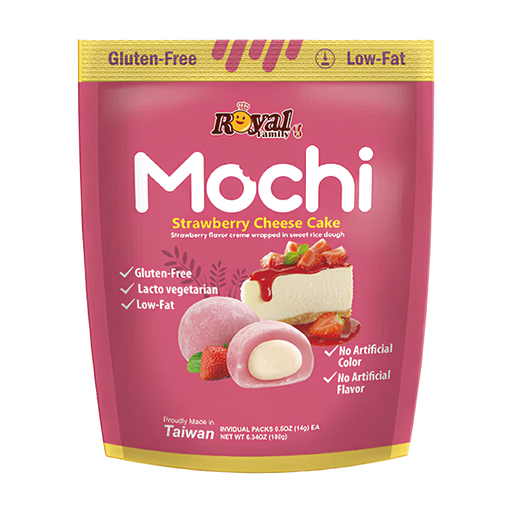
Why This Fits Their Persona: Ideal for those who love trying new things and enjoy fusion foods. This mochi combines the familiar chewiness of a Japanese snack with the creamy, tangy flavour of a Western dessert, offering a unique and indulgent experience.
This product avoids the "texture letdown" by using a well-honed recipe that ensures the mochi skin remains soft and chewy, providing a pleasant contrast to the creamy cheesecake-flavoured filling.
A novel dessert-inspired flavour that stands out from traditional options. It's a ready-to-eat treat that requires only a brief thaw if frozen.
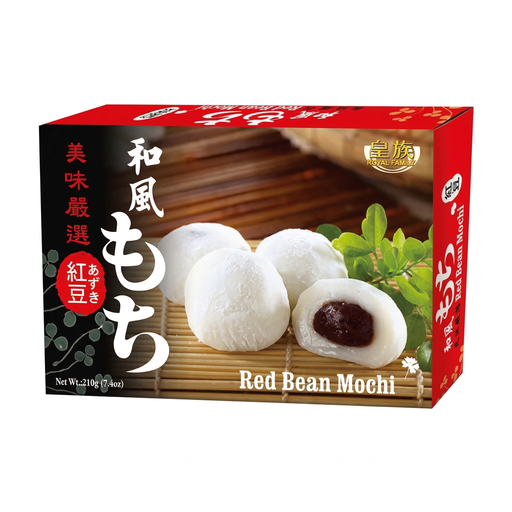
Why This Fits Their Persona: This is the perfect choice for someone looking for a reliable and convenient snack. The classic red bean flavour is a crowd-pleaser, and the individual packaging makes it ideal for packed lunches, office drawers or sharing with family.
It sidesteps the "disappointing filling ratio" pitfall. Royal Family is known for its generous fillings, ensuring a satisfying balance of sweet red bean paste and chewy mochi in every bite.
A classic, widely-loved flavour profile. The mochi are individually wrapped for maximum convenience and freshness, making them an easy grab-and-go snack.
We have compiled a complete, real-time list of products that fully satisfy these strict selection criteria and UK safety regulations.
Most pre-packaged, shelf-stable mochi should be stored in a cool, dry place away from direct sunlight. Once the package is opened, it's a good idea to keep any leftovers in an airtight container and consume them within a few days to prevent them from hardening. Some varieties are sold frozen; these should be kept in your freezer and thawed at room temperature for a short while before eating. Always check the storage instructions on the packaging.
Traditionally, mochi is made from glutinous rice flour, which, despite its name, does not contain gluten. This makes it a suitable treat for those on a gluten-free diet. However, it is essential to always check the allergen information on pre-packaged mochi. Some products may include other ingredients or be manufactured in facilities that also handle wheat, creating a risk of cross-contamination.
The terms are often used interchangeably, but there is a small distinction. Mochi is a broad term for Japanese cakes made from pounded glutinous rice. Daifuku (which translates to "great luck") is a specific type of mochi that is soft, round and filled with a sweet paste, most commonly anko (sweet red bean paste). So, all daifuku are a type of mochi, but not all mochi are daifuku.