
24/7 Customer Support

Free returns

Same-day & Next-day Delivery

Quality Guaranteed

Unlock Your Welcome Offers: FREE Delivery | Up to 80% OFF | Free 30-day JoyPlus trial
Download the APP
As a Joybuy Product Recommendation Officer, my role is to help you navigate the crowded shelves of Asian pantry staples. Mung beans, a versatile and nutritious legume, are a perfect example. Whether you're aiming to recreate a traditional family recipe or exploring healthy plant-based cooking, choosing the right product is key. However, with so many options available, from dried beans to instant soups, it's easy to make a purchase you might regret. This guide cuts through the clutter to help you select the right mung beans for your kitchen.
Before adding a pack to your basket, be aware of these common issues that can lead to disappointing meals and wasted money:
dried green mung beans when you need mung bean starch for a translucent jelly dessert will not work. Likewise, some "mung bean vermicelli" products contain very little actual mung bean, affecting the final texture and taste of your dish.organic mung beans are a great choice for those wishing to avoid synthetic pesticides, the label doesn't automatically guarantee a better cooking experience. For some applications, a high-quality, conventionally grown bean might cook down just as well. The key is to match the product's attributes to your personal priorities and recipe, rather than assuming one label is superior for all purposes.To ensure you get exactly what you need, focus on these two critical factors.
Understanding the different forms is the first step to culinary success. Each has a distinct purpose.
mung bean soup, congee, savoury curries and pastes for desserts. They require soaking and cooking, but offer the most control over the final texture. They are also the only form you can use for sprouting at home.mung bean starch. However, always check the ingredient list. Many products are blends of various starches (like potato or pea) with wheat flour, which alters the texture and cooking properties. Pure mung bean versions are prized for their springy, slippery texture when cooked.Once you know which form you need, assess the quality with a quick visual check.
To make your choice easier, we've matched a few standout products to different types of home cooks.
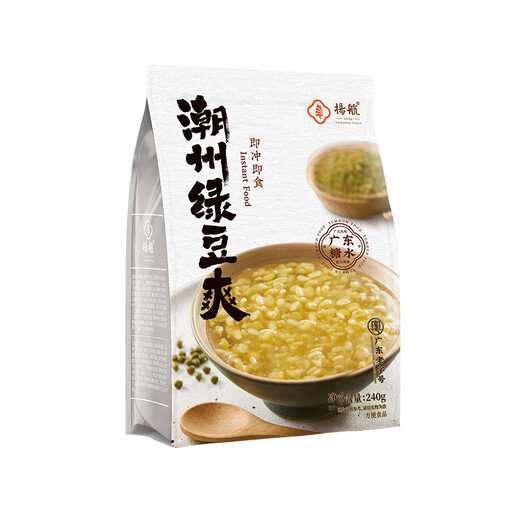
Why This Fits Their Persona: For those in the UK with a busy schedule who crave a comforting, traditional dessert without the hassle. This instant mix delivers a smooth, sweet mung bean soup in minutes, perfect for a quick breakfast or evening treat.
This product completely sidesteps the "form mismatch" and long prep time pitfalls. It's a purpose-built solution for a specific dish, removing all guesswork.
Ultimate Convenience: Simply add hot water and wait 5 minutes. Consistent Flavour: Provides a reliable, traditional taste every time.
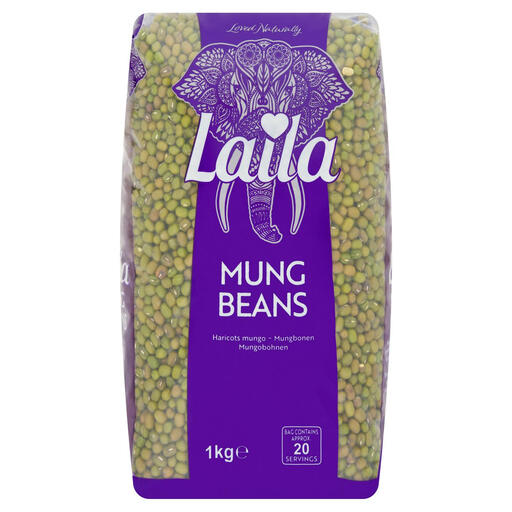
Why This Fits Their Persona: Ideal for the household that uses mung beans regularly in a variety of dishes, from South Asian curries to East Asian desserts. This large pack ensures you always have this versatile staple on hand.
This addresses the "pack size" pitfall by offering excellent value for frequent users. It's a cost-effective way to stock a core ingredient for your Asian pantry staples.
Great Value: The 1kg size provides a low cost-per-gram. Versatility: These standard dried green mung beans are suitable for a wide range of sweet and savoury recipes.
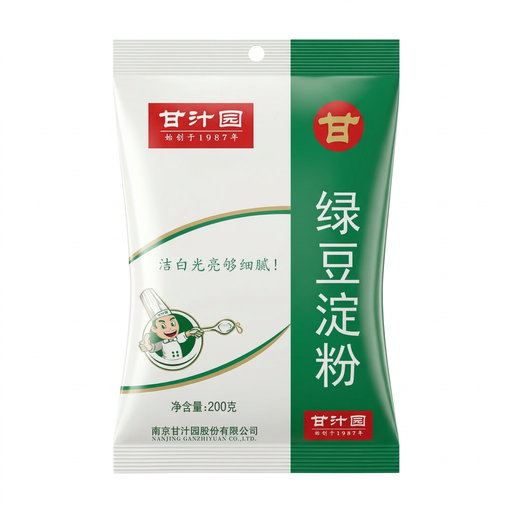
Why This Fits Their Persona: For the adventurous cook looking to master specific Asian recipes. This pure starch is the non-negotiable ingredient for creating authentic glass noodles or the wobbly, refreshing mung bean jellies popular in Chinese cuisine.
This product provides the specific form needed for advanced recipes, preventing the "form mismatch" pitfall that would lead to failure if one tried to use whole beans.
Specific Functionality: Creates unique translucent, gelatinous textures. Purity: A pure starch product for predictable and authentic results in specialised dishes.
We have compiled a complete, real-time list of products that fully satisfy these strict selection criteria and UK safety regulations.
Here are answers to a few common queries we receive from shoppers.
1. Do I always need to soak dried mung beans before cooking? While you can cook them from dry, soaking dried green mung beans for at least 2-4 hours (or overnight in the fridge) is highly recommended. Soaking significantly shortens the cooking time, helps the beans cook more evenly and can make them easier to digest. For a very soft, broken-down texture required for a creamy mung bean soup or paste, soaking is an essential step.
2. What is the difference between green mung beans and red adzuki beans? Though they are both small legumes popular in Asian desserts, they are entirely different. Green mung beans have a mild, slightly earthy flavour and a texture that breaks down softly, making them ideal for cooling soups, congee and sprouting. Red adzuki beans have a distinctly sweeter, nuttier flavour and hold their shape better, which is why they are the classic choice for making the sweet red bean paste used as a filling in pastries like mochi, dorayaki and mooncakes.
3. How can I tell if my mung bean vermicelli is good quality? The most reliable indicator is the ingredients list. High-quality mung bean vermicelli, also known as glass or cellophane noodles, should list mung bean starch as the first and primary ingredient. Many less expensive alternatives are made from other starches like potato, tapioca or pea starch, which have different textural properties. While these are not necessarily "low quality," they are a different product. For the classic springy-yet-tender bite, look for noodles with a high concentration of mung bean starch.