
24/7 Customer Support

Free returns

Same-day & Next-day Delivery

Quality Guaranteed

Unlock Your Welcome Offers: FREE Delivery | Up to 80% OFF | Free 30-day JoyPlus trial
Download the APP
Mung beans are a cornerstone of many Asian cuisines, valued for their versatility and subtle flavour. Yet, for many UK home cooks, navigating the different forms—from whole beans to starch and sheets—can be confusing. Whether you are recreating a traditional family recipe, exploring plant-based cooking and looking for authentic Chinese cooking ingredients, understanding which product to choose is key.
This guide is designed to clarify the uses of different mung bean products. We will walk through what to look for when you buy mung beans UK and highlight some quality options to help you bring authentic flavours to your kitchen.
Before adding anything to your basket, it helps to know what you need. Mung beans are available in several forms, each suited to different dishes.
The most common distinction is between the whole bean and the processed starch.
Often mistaken for other types of noodles, mung bean starch sheets are a distinct product. Made from mung bean starch and water, they are broad, flat, and become transparent, slippery and delightfully chewy when cooked.
These sheets, also known as wide glass noodles, are brilliant at absorbing the flavours of broths and sauces. This makes them a popular addition to hot pots, soups and cold salads. When purchasing, check the ingredients to ensure they are made from pure mung bean starch for the most authentic texture.
Here are a few carefully selected products that showcase the different forms of mung beans available, helping you choose the right one for your culinary needs.

Why It Stands Out: These starch sheets are made from 100% mung bean starch, which gives them a superior smooth and chewy texture once cooked. They turn beautifully transparent and are excellent at soaking up the flavours of whatever dish you add them to, without becoming mushy.
Pros:
Who is it for? This is an excellent choice for home cooks looking to prepare authentic Chinese hot pot, hearty soups or flavourful noodle salads.
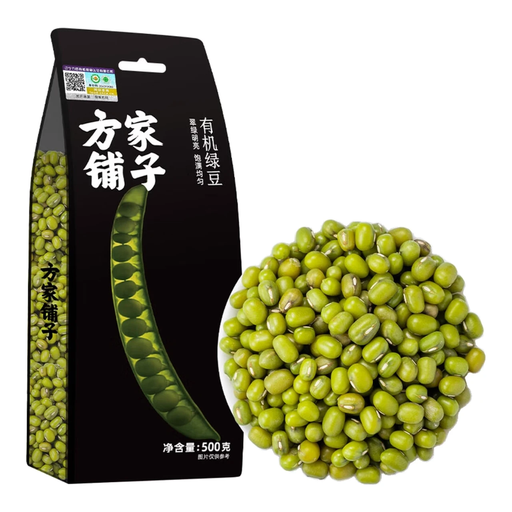
Why It Stands Out: These are high-quality, plump organic mung beans with a thin skin, which allows them to cook relatively quickly and develop a soft, sandy texture. The airtight packaging helps maintain their freshness. Their versatility makes them a true pantry staple.
Pros:
Who is it for? Ideal for health-conscious cooks, those wanting to make traditional mung bean soup or desserts from scratch and anyone interested in growing their own fresh bean sprouts at home.
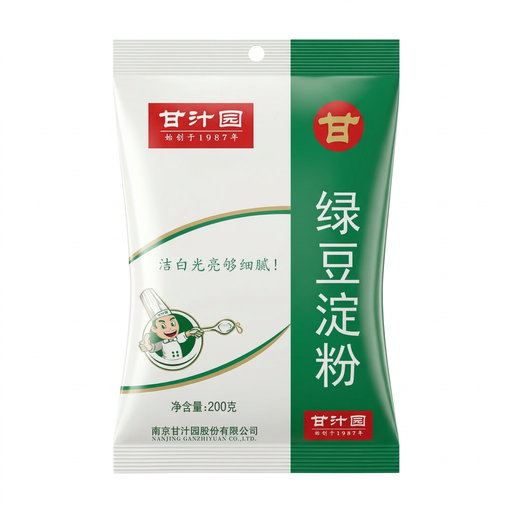
Why It Stands Out: This is a pure mung bean starch powder, the essential ingredient for creating the unique jelly-like texture of dishes like liangfen. Its fine consistency makes it a reliable gluten-free alternative to cornflour for thickening sauces or creating a light coating for fried foods.
Pros:
Who is it for? This is for the adventurous home cook eager to try making traditional Asian desserts or for anyone seeking a high-quality, gluten-free starch for general cooking.
If you are looking for different pack sizes or other variations, there are more choices available. Explore our full range to find the perfect ingredient for your next meal.
Browse our complete collection of dry mung bean products.
Mung beans are the whole, green-coloured legume. They are cooked and eaten whole in dishes like soups and porridges. Mung bean starch is a fine, white powder that has been extracted from the beans. It is not eaten on its own but is used as an ingredient to create noodles, jellies or to thicken sauces.
Most mung bean starch sheets require a short period of soaking in water to soften them before cooking. After soaking, they can be boiled or added directly to hot pots, soups or stir-fries, where they typically cook in just a few minutes. It is always a good idea to check the specific instructions on the packaging.
Yes, mung beans are naturally a gluten-free legume. Therefore, products made from 100% mung beans, such as pure mung bean starch and mung bean starch sheets, are also gluten-free. This makes them a suitable and popular ingredient for individuals with coeliac disease or gluten sensitivities.