
24/7 Customer Support

Free returns

Same-day & Next-day Delivery

Quality Guaranteed

Unlock Your Welcome Offers: FREE Delivery | Up to 80% OFF | Free 30-day JoyPlus trial
Download the APP
From a comforting bowl of soup on a rainy day to a sizzling hot pot gathering with friends, the right Asian noodles can transform a meal. Yet, when you try to buy noodles online UK, the sheer variety can be overwhelming. It's easy to end up with a product that doesn't match your recipe, leading to disappointment and waste. As a Joybuy Product Recommendation Officer, my role is to help you navigate the options and find the perfect noodles for your kitchen.
Many home cooks fall into a few common traps. Let's look at what to watch out for:
To avoid these pitfalls, focus on a few key characteristics. Understanding these will empower you to select the right packet every time, whether you're making a classic Chinese noodle dish or exploring Korean noodles.
The primary ingredient dictates the noodle's fundamental character.
How the noodles are preserved has a significant impact on convenience and final texture.
To make things easier, here are a few recommendations matched to different cooking needs and preferences.

Why This Fits Their Persona: Perfect for busy UK households, this large 1kg frozen pack allows for quick, hearty meals. It delivers the authentic taste of Korean Kalguksu soup without the effort of making noodles from scratch.
The frozen format bypasses the "mushy fresh" pitfall by preserving a firm, springy texture that cooks perfectly from frozen in just 5 minutes.
Authentic chewy texture; large family-size pack offers good value; extremely quick to cook.
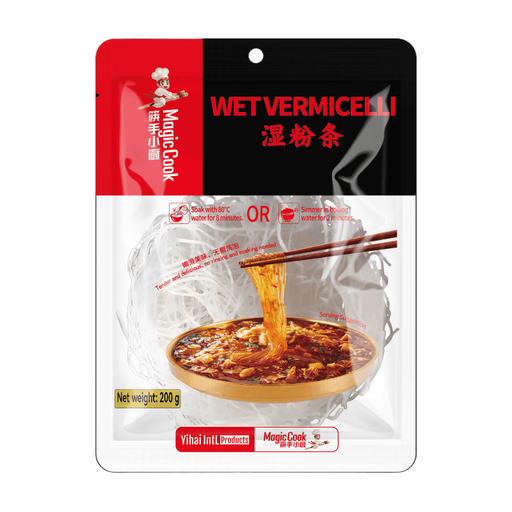
Why This Fits Their Persona: For anyone hosting a hot pot night, these sweet potato vermicelli are a must-have. They are specifically designed to withstand simmering broth, making them a reliable and delicious addition to the feast.
This noodle directly solves the "wrong noodle for the job" trap. Its starch-based composition ensures it becomes chewy and absorbs flavour, rather than disintegrating like a wheat or rice noodle might.
Excellent chewy texture that holds up in broth; absorbs soup flavours well; convenient pre-packaged format requires no soaking.
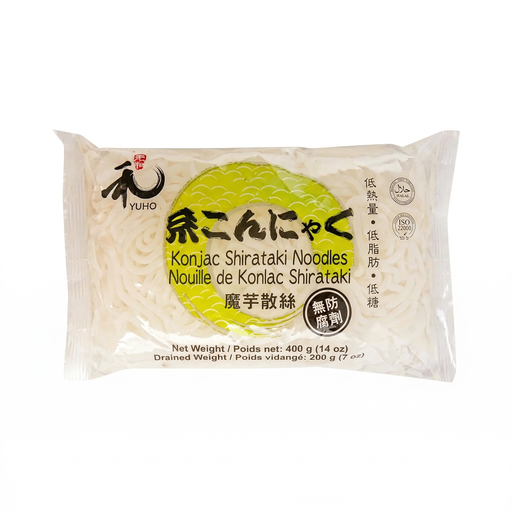
Why This Fits Their Persona: For those monitoring calorie intake or seeking high-fibre options, these konjac noodles are an excellent choice. They are exceptionally low in calories and carbohydrates, making them a light substitute in stir-fries, soups and salads.
This noodle avoids the "ingredient surprise" trap with its simple composition of konjac flour and water. Its unique, springy texture is its defining feature, so there are no unmet expectations.
Very low in calories and high in dietary fibre; neutral taste makes it highly versatile for absorbing sauces and broths.
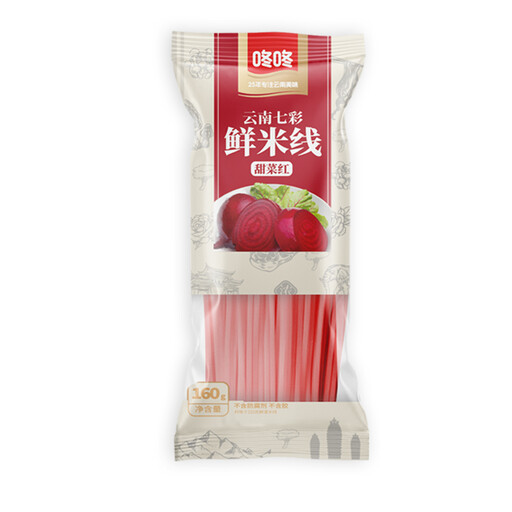
Why This Fits Their Persona: For the home cook who loves to create visually stunning dishes, these naturally coloured fresh rice noodles are a fantastic find. They bring a vibrant pink hue and authentic Yunnan-style texture to salads, soups and stir-fries.
The clear labelling of "beetroot powder" as the colourant avoids the "ingredient surprise" trap. As a fresh rice noodle, its soft, smooth texture is exactly what's expected for this category.
Adds a beautiful, natural colour to dishes; authentic soft and smooth Yunnan rice noodle texture; quick to prepare.
We have compiled a complete, real-time list of products that fully satisfy these strict selection criteria and UK safety regulations.
While there is huge diversity within both, we can point to some general tendencies. Chinese noodles encompass an immense range, from broad, hand-pulled Lanzhou noodles for beef soup to fine, egg-based noodles for wonton soup. The variety is regional and vast. Korean noodles often highlight specific types, such as the chewy, wheat-based Kalguksu for soups, the glassy and bouncy sweet potato vermicelli (dangmyeon) for Japchae and cold buckwheat noodles (naengmyeon).
It is generally not recommended to freeze shelf-stable or refrigerated fresh rice noodles. The freezing process can damage their delicate structure, causing them to become brittle and break apart when you try to cook them. If you need a longer shelf life with a fresh-like texture, it is better to purchase noodles that were professionally flash-frozen at the source, as these are designed to withstand the process.
There are a few simple tricks. First, use a large pot with plenty of rapidly boiling water; this gives the noodles room to move. Second, stir the noodles gently for the first minute of cooking to separate the strands. Finally, for some noodles intended for stir-frying or salads, rinsing them under cold water after draining and tossing with a small amount of neutral oil can prevent them from clumping as they cool. Always check the package instructions, as the method can vary.