
24/7 Customer Support

Free returns

Same-day & Next-day Delivery

Quality Guaranteed

Unlock Your Welcome Offers: FREE Delivery | Up to 80% OFF | Free 30-day JoyPlus trial
Download the APP
Buying packaged snacks online should be convenient, but product photos and bold front-of-pack claims do not always tell the full story. When you buy nuts and chestnuts online in the UK, the important details are usually found in the ingredients list, nutrition panel, pack format and storage guidance.
Whether you need mixed nuts for the office, roasted nuts for a drinks table, ready-to-eat chestnuts for travel or baking ingredients such as almonds, pecans and pine nuts, this guide will help you compare products more carefully.
A product may look wholesome while containing added salt, sugar, oil, flavourings or coatings. Plain chestnuts commonly contain only chestnuts, while seasoned nuts can include several additional ingredients.
For example, lightly salted cashews may contain cashews and salt, whereas coated peanuts can include wheat starch, sugar, soya and seasoning. Neither format is automatically unsuitable, but they serve different purposes. Check the full ingredient list rather than relying on terms such as “premium”, “natural” or “healthy”.
A large sharing bag can offer better value for parties or regular household use, but it may be less convenient for lunchboxes or portion control. A smaller individual pack can be easier for travel, though the price per 100g may be higher.
Always compare net weight, the number of portions and the price per 100g where available. A 500g jar of pistachios or cashews is designed for repeated use, while a 100g chestnut pack may be more suitable for one or two snack occasions.
Nuts differ considerably in flavour, texture, preparation and nutritional profile. Salted nuts suit savoury snacking and entertaining, while plain or lightly seasoned varieties may be more flexible for cooking. Chestnuts are softer and more carbohydrate-focused than many tree nuts, making them useful in desserts, stuffing, soups and quick snacks.
Allergy information is also product-specific. Peanuts, cashews, almonds, pistachios, pecans, macadamia nuts and pine nuts must be checked individually. Products may also state that they may contain other allergens due to shared manufacturing environments.
Look for the named nut first, followed by added ingredients. Simple options include chestnuts with a 100% ingredient declaration or cashews containing cashews and salt. Flavoured products may contain cereals containing gluten, milk, soya, mustard or other nuts.
Under UK food labelling practice, allergens should be clearly emphasised in the ingredients list. If you are buying for someone with an allergy, read the current packaging and manufacturer information rather than relying solely on a product title.
“Ready to eat” can refer to several formats:
Choose the format that matches how you intend to use the product. Convenience is less useful if you still need to peel, crack or prepare the snack.
Use the nutrition panel to compare products per 100g. This makes it easier to distinguish plain nuts from sweetened or heavily seasoned options. For instance, the listed nutrition for Three Squirrels Purple-Shell Cashews is 578 kcal, 17.4g protein and 0.9g salt per 100g. KP Honey Roast Peanuts list 595 kcal, 27g protein and 0.75g salt per 100g.
These figures are product information, not a recommendation to consume a particular amount. Consider your overall diet and follow the pack’s serving guidance.
Most ambient nuts and chestnuts should be kept in a cool, dry place away from direct sunlight. Once opened, some products should be consumed promptly or kept in an airtight container. Follow the storage instructions on the packaging to help maintain texture and flavour.
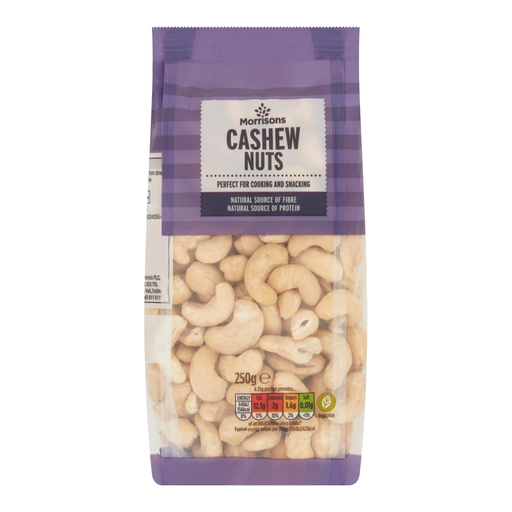
Why This Fits Their Persona: A straightforward 250g option for shoppers trying cashews for everyday snacking or cooking without committing to a large sharing pack.
The product page provides per-100g and per-25g nutrition figures, making portion and value comparisons easier.
Suitable for vegetarians; listed as a source of protein and fibre; useful for cooking as well as snacking.

Why This Fits Their Persona: The 500g format suits households that regularly serve cashews, add them to salads or keep a larger snack jar available.
The ingredient declaration specifies cashews at 99% with salt, rather than hiding a complex coating behind flavour-led packaging.
Whole cashews; lightly salted; ready to eat; listed at 17.4g protein per 100g.
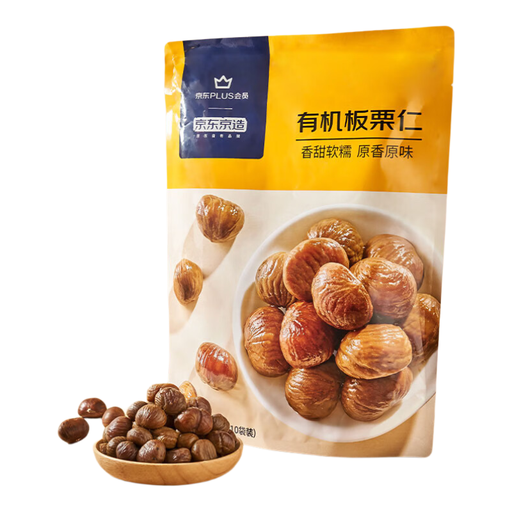
Why This Fits Their Persona: Ten 100g sachets suit frequent chestnut eaters, family cupboards, workplace sharing or planned baking.
Individual sachets reduce the need to repeatedly open one large bag, while the ingredient list states chestnuts only.
1kg total weight; ten 100g packs; peeled and ready to eat; listed at 0g salt per 100g.
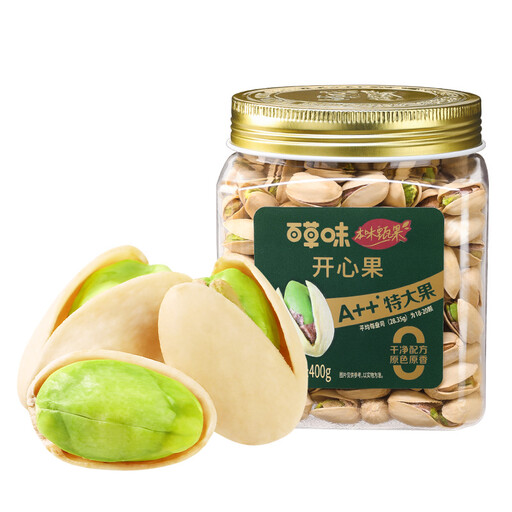
Why This Fits Their Persona: A larger pack of simply salted pistachios is practical for a family snack bowl, parties or relaxed weekend sharing.
The product information lists pistachios at 98% or more and identifies salt separately, making the seasoning level easier to assess.
400g pack; naturally split shells; ready to eat; suitable for sharing and casual entertaining.
We have compiled a complete, real-time list of products that fully satisfy these strict selection criteria and UK safety regulations.
For a classic savoury option, KP Snacks Original Salted Peanuts 415g provides a larger pack with peanuts, sunflower oil and salt. KP Snacks Honey Roast Peanuts 225g adds honey, sugar and seasoning for a sweeter profile. For a stronger flavoured sharing snack, Walkers Sensations Coated Peanuts Thai Sweet Chilli 150g contains a crunchy coating and lists five servings per pack.
If you prefer tree nuts, options include Wolong Pecan Kernels 250g, Wolong Macadamia Nuts 140g, Bestore Almonds with Milk Flavor 120g and Xue Ji Opened Pine Nuts 120g. Check each product’s allergen declaration and whether added sugar, salt, oil or flavour enhancers suit your requirements.
For convenient chestnut snacks, smaller packs such as Three Squirrels Chestnut Kernels 100g and Be&Cheery Smiling Chestnuts 120g are easy to place in a lunchbox or work bag. Multi-pack formats can be more suitable when you want a supply for regular snacking or baking.
Check the ingredient list, allergen statement, net weight, nutrition per 100g, storage instructions and best-before information. Also confirm whether the product is plain, roasted, salted, sweetened, coated, shelled or peeled.
Peeled or pre-cooked chestnuts can be convenient for lunchboxes because they need no cooking or shell removal. Keep them stored as directed and consume them promptly after opening. For young children, cut or prepare foods appropriately and supervise eating where necessary.
Store opened nuts in a cool, dry place away from sunlight and strong odours. Reseal the packaging or transfer the contents to an airtight container where appropriate. Always follow the individual product’s storage instructions, particularly for products that recommend consumption within a specified period after opening.