
24/7 Customer Support

Free returns

Same-day & Next-day Delivery

Quality Guaranteed

Unlock Your Welcome Offers: FREE Delivery | Up to 80% OFF | Free 30-day JoyPlus trial
Download the APP
Buying nuts and chestnuts online in the UK is convenient, but attractive packaging can hide important differences in ingredients, serving size and storage. Whether you need roasted chestnuts for a commute, mixed nuts for sharing or flavoured nuts for a party, checking the label is more useful than relying on words such as “natural”, “premium” or “wholesome”.
A 400g or 500g bag may appear economical, but flavoured products can contain added sugar, salt, oil or sweeteners. A smaller 70g or 100g pack may be more suitable if you want variety, portion control or a snack for travel. Compare the price per 100g, not just the headline price.
“Nut snacks” are not always made only from nuts. A coated product may contain wheat flour, soya, sugar, seasoning, palm oil or flavourings. For example, wasabi peanuts and sweet chilli-coated peanuts include several additional ingredients, while plain chestnut kernels can contain only chestnuts.
Ingredients are listed in descending order by weight under UK food-labelling rules. If you are looking for simple Chinese snacks or vegetarian options, check the full list rather than relying on the front of the packet.
Peanuts, almonds, cashews, pecans, macadamias and chestnuts have different allergen classifications, and some products may carry “may contain” warnings because of shared equipment. Always read the allergen statement before ordering, particularly for lunchboxes, parties or gifts.
Products containing desiccant or oxygen-absorbing sachets should also be checked carefully. These sachets are not edible and should remain inside the packaging until disposal.
For a naturally sweet, soft snack, look for chestnuts or chestnut kernels at 100%. Bestore Smiling Chestnuts, Fu Yi Nong Chestnut and Three Squirrels Chestnut Kernels are examples of products listed with chestnuts as the sole ingredient.
If you prefer stronger flavours, compare the proportion of nuts with the coating. ChaCha Pecan Kernels with Maple Syrup & Lime contains 80% pecans, while Tropical Sun Crunchy Wasabi Peanuts contains peanuts, flour, seasoning and other ingredients. These products suit different occasions and should not be compared as if they were the same type of snack.
UK nutrition panels normally show energy, fat, saturates, carbohydrate, sugars, protein and salt per 100g. This lets you compare products fairly, although an actual serving may be much smaller.
Plain nuts commonly provide more fat and energy per 100g than chestnuts. Chestnut products in this selection range from 176 to 210 kcal per 100g, while several nut products provide over 550 kcal per 100g. Flavoured varieties may also contain added sugar or more salt. For everyday snacking, consider measuring a portion rather than eating directly from a large bag.
Individually packed or resealable products are practical for offices, train journeys, lunchboxes and hiking. Once opened, follow the packaging instructions: many products should be kept in a cool, dry place, while sugar-coated chestnuts may require refrigeration and consumption within a short period after opening.
Look for the net quantity, resealability, country of origin and date marking. These details are particularly useful when choosing between a snack-size pack and a larger cupboard option.
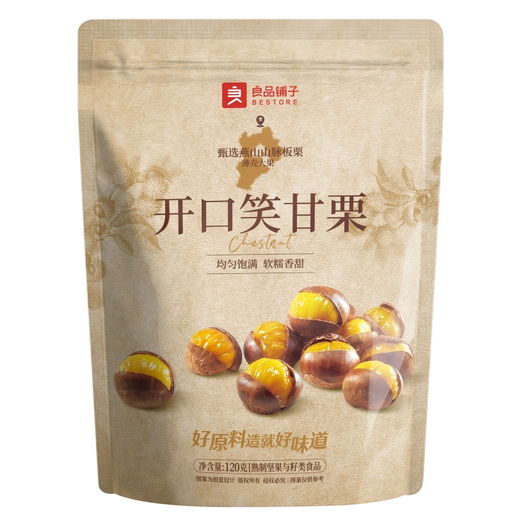
Why This Fits Their Persona: A compact choice for trying roasted chestnuts without committing to a large multipack. The individually packed format works for commutes, desk drawers and lunchboxes.
The listed ingredients are chestnuts, with a 120g net quantity and no added oil or sugar stated in the product information.
Ready to eat; 100% chestnuts listed; individually packed for portability.
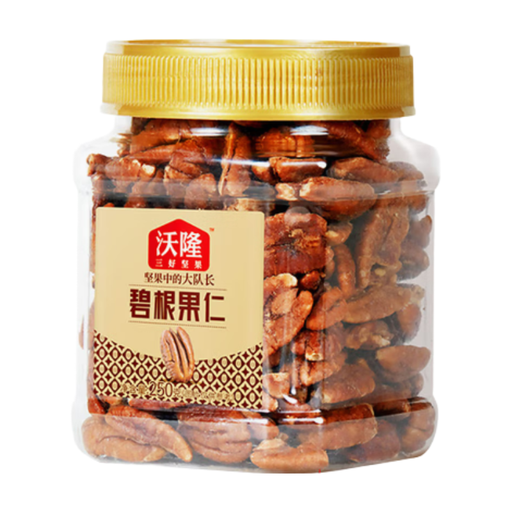
Why This Fits Their Persona: Suitable for shoppers who want a larger quantity of pecan kernels for serving with tea, adding to salads or using in desserts.
The product page identifies pecan kernels, salt and white sugar, so the flavour profile is clear rather than presented as plain nuts.
250g pack; ready to eat; suitable for snacking or recipe toppings.
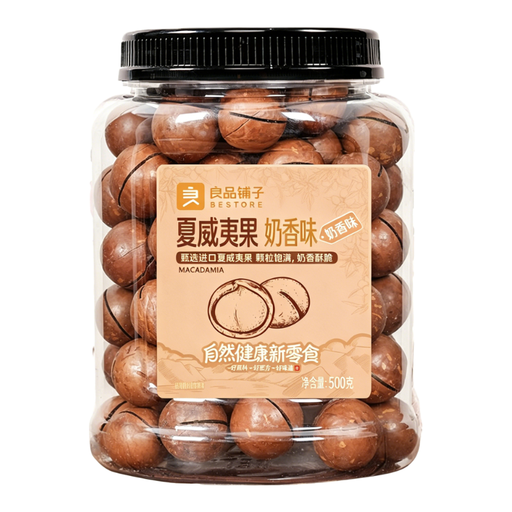
Why This Fits Their Persona: A larger option for households, party bowls or shoppers who regularly choose macadamia nuts and milk-flavoured snack nuts.
The ingredient list states macadamia nuts at ≥98% and clearly identifies sugar, salt, sweeteners and flavouring.
500g quantity; ready to eat; milk flavour with a sweet-and-salty profile.
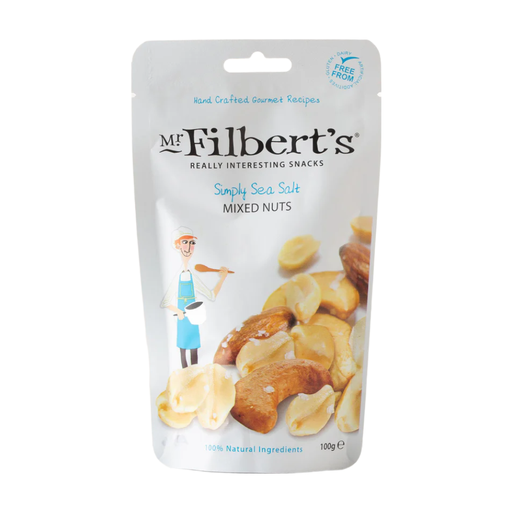
Why This Fits Their Persona: A straightforward choice for office snacking, picnics or casual sharing when you want peanuts, cashews and almonds in one pack.
The mix composition is specified as peanuts 58%, cashews 25% and almonds 17%, with sea salt and rapeseed oil also listed.
100g pack; suitable for vegetarians according to the product information; three nut types in one mix.
We have compiled a complete, real-time list of products that fully satisfy these strict selection criteria and UK safety regulations.
Many packaged roasted chestnuts and chestnut kernels are pre-cooked, peeled and ready to eat. Check the usage instructions on the product page. Some products can be warmed, but packaging should never be placed directly in a microwave unless the instructions specifically allow it.
Storage varies by product. Keep unopened packs in a cool, dry place away from direct sunlight. After opening, reseal the packet and follow the stated timeframe. Some products recommend consumption within two weeks, while sugar-coated chestnuts may need refrigeration and use within two days.
Read both the ingredient list and the separate allergen statement. Look for peanuts, tree nuts, chestnuts, wheat, gluten, soya, mustard, sesame and milk where relevant. If a product says “may contain” another allergen, treat that warning seriously, especially when buying snacks for children, guests or someone with a diagnosed allergy.