
24/7 Customer Support

Free returns

Same-day & Next-day Delivery

Quality Guaranteed

Unlock Your Welcome Offers: FREE Delivery | Up to 80% OFF | Free 30-day JoyPlus trial
Download the APP
Buying nuts and healthy snacks online UK shoppers can rely on should be simple, but product pages do not always make comparisons easy. A small packet may look good value until you check the net weight, while a product described as “natural” may contain added salt, sugar, flavourings or sweeteners.
Whether you need healthy office snacks, family-sized packs, Chinese snacks or ingredients for baking, the following checks can help you avoid paying for features that do not suit your routine.
A 70g or 80g bag may have a lower checkout price, but a 500g or 1kg pack can be more practical for families, frequent snackers and home cooks. Compare the price per 100g, not just the displayed price.
Individual sachets can also reduce waste and help with portion planning, whereas a large open bag may need careful resealing to protect texture.
“Natural” is not a substitute for reading the ingredient list. Plain chestnut kernels may contain only chestnuts, while roasted nuts can include salt, sugar, oil, seasoning or flavourings.
For example, some pecan products contain sugar and salt despite retaining a nut-focused taste. Flavoured macadamia nuts may also include sweeteners and flavour enhancers. If you want a simple ingredient profile, look for wording such as 100% chestnut kernels, 100% walnuts or a short list that matches your preference.
Ready-to-eat chestnuts, roasted nuts and salted cashews can be opened and served immediately. By contrast, blanched peanut kernels may be raw and require thorough cooking before consumption.
Always check the product’s usage instructions, allergen declaration, storage guidance and best-before information. Nuts, peanuts and some seeds may be unsuitable for people with allergies, and products labelled “may contain” should be assessed carefully.
Use the ingredient list to distinguish natural nut snacks from seasoned or sweetened alternatives. Nutrition panels are normally shown per 100g, which makes comparison easier:
Nutritional values should be treated as comparison information, not as medical advice or a guarantee of a particular health outcome.
Choose according to how you will use the product:
A resealable or individually packed product can be useful for office drawers, commuting and travel. Large packs may suit households or regular baking, but store them in a cool, dry place away from direct sunlight. After opening, reseal promptly and follow the packaging instructions.
Do not eat a product’s desiccant sachet, and check whether the item needs refrigeration after opening. For example, tinned sweetcorn should be drained and refrigerated in a non-metallic container after opening, with use within the stated period.
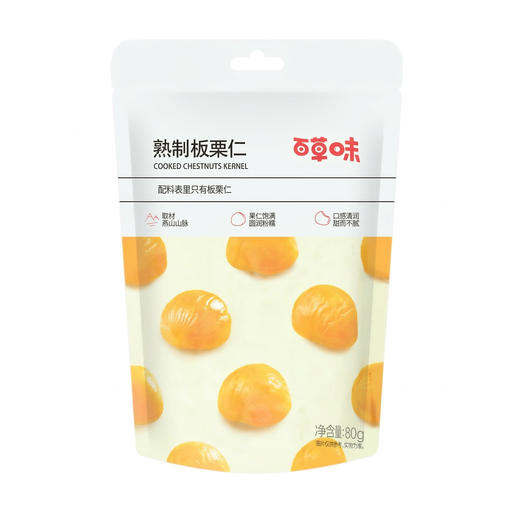
Why This Fits Their Persona: A compact option for first-time buyers, commuters or anyone wanting to try ready-to-eat chestnuts without committing to a bulk pack.
The listed ingredients are chestnut kernels only, with no added flavourings shown, and the pack is ready to eat on opening.
80g format; 100% chestnut kernels; no preparation required.
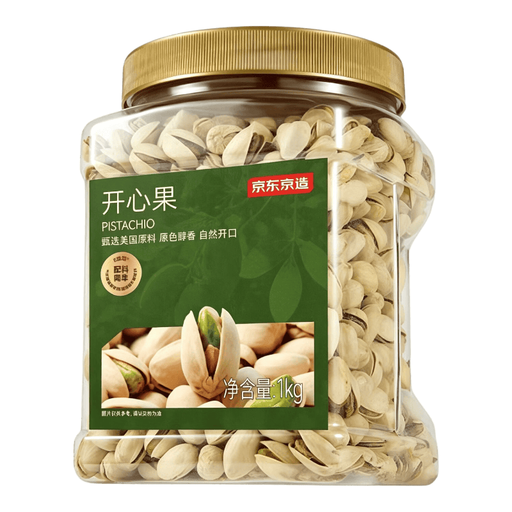
Why This Fits Their Persona: A large sharing and gifting format for households that value a substantial quantity and a salt-roasted pistachio profile.
The listing specifies pistachios and edible salt, including a 99% pistachio declaration, so seasoning is clear before purchase.
1kg quantity; ready to eat; suitable for sharing or gifting.
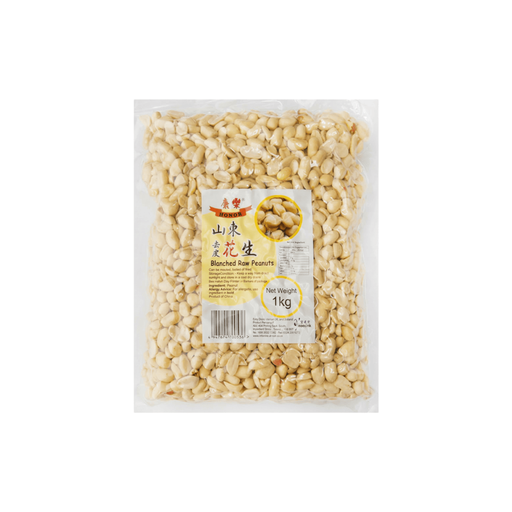
Why This Fits Their Persona: Designed for cooks and bakers who need a sizeable supply of peeled kernels for peanut butter, roasting, stir-fries or desserts.
The product is clearly marked as requiring cooking, avoiding the mistake of treating raw kernels as ready-to-eat snacks.
1kg pack; peeled kernels; suitable for cooking and baking.
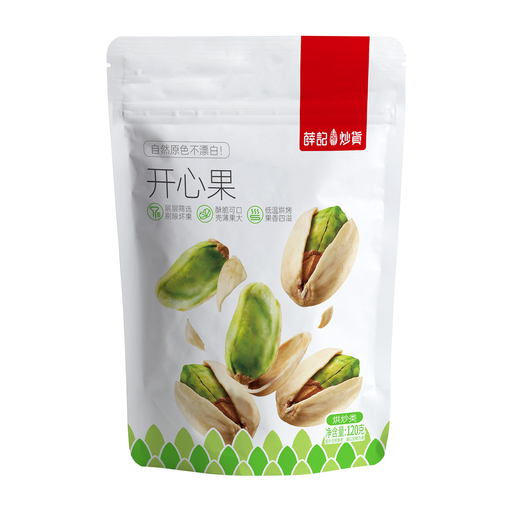
Why This Fits Their Persona: The 120g pack is easy to keep in an office drawer, lunch bag or travel case for an open-and-serve snack.
The listing identifies both ingredients—pistachios and salt—so shoppers can account for seasoning rather than assuming it is plain.
120g portable format; ready to eat; lightly salted profile.
We have compiled a complete, real-time list of products that fully satisfy these strict selection criteria and UK safety regulations.
Ready-to-eat products in 70g–120g packs are generally convenient for desks, commuting and travel. Check the allergen information before sharing in a workplace, particularly where colleagues may have nut or peanut allergies.
Keep them sealed in a cool, dry place away from direct sunlight. Moisture can affect crunch, while heat may affect freshness. Follow the individual product instructions and consume promptly after opening where advised.
They can offer a lower price per 100g, but only when you will use the quantity before the stated date and can store it correctly. For occasional snacking, smaller packs may reduce waste. For families, baking and regular meal preparation, bulk nuts such as 500g or 1kg packs can be more practical.