
24/7 Customer Support

Free returns

Same-day & Next-day Delivery

Quality Guaranteed

Unlock Your Welcome Offers: FREE Delivery | Up to 80% OFF | Free 30-day JoyPlus trial
Download the APP
If you want to buy nuts online in the UK, it is easy to focus on flavour descriptions, attractive packaging or a low price per bag. However, those details do not always tell you whether a product suits your routine. The right choice depends on ingredients, preparation, pack size, allergens and how quickly you expect to eat it.
This guide from the Joybuy Product Recommendation Officer highlights common purchasing pitfalls and compares practical options, from mixed nuts and roasted nuts to chestnuts, sunflower seeds and bulk nuts.
A product may look plain while containing added salt, sugar, flavourings, sweeteners or oils. Always check the full ingredient list rather than relying on front-of-pack wording.
For example, plain walnut kernels may contain only walnuts, while flavoured cashews can include seasoning blends, sunflower oil and sugar. Neither option is automatically right or wrong; the important point is matching the recipe to your preference.
Some listings are for raw cooking ingredients, not ready-to-eat snacks. Blanched peanut kernels, for instance, may require roasting, boiling or frying before consumption. By contrast, roasted nuts, salted nuts and sealed chestnut kernels can usually be opened and served directly.
Check the usage instructions carefully, particularly when shopping for lunchboxes, office breaks, travel or quick snacks.
A small 70g or 80g pouch may look inexpensive but cost more per 100g than a 500g or 1kg pack. Smaller packs can be useful for portion control, gifting or carrying in a handbag, while bulk nuts may suit families, baking and frequent entertaining.
Also consider resealing. Once opened, nuts and seeds should generally be kept in a cool, dry place and consumed according to the packaging guidance.
Choose according to how you intend to use the product:
Look for the percentage of the main nut where it is provided. This helps you compare a cashew-led seasoning recipe with a product made from 100% walnut or chestnut kernels.
Under UK food labelling requirements, products containing regulated allergens must identify them clearly. Nuts, peanuts and certain kernels should be checked separately because a person may react to one but not another.
Read both the ingredient list and any precautionary statement about possible cross-contact. This is especially important when buying assorted Chinese snacks or mixed nut products for sharing.
Nuts and seeds are energy-dense foods, so compare the nutrition table per 100g rather than judging only by the front label. Pay attention to:
Nutrition information is not a substitute for personal dietary advice. If you have an allergy or a specific dietary requirement, check the pack and seek suitable professional guidance where necessary.
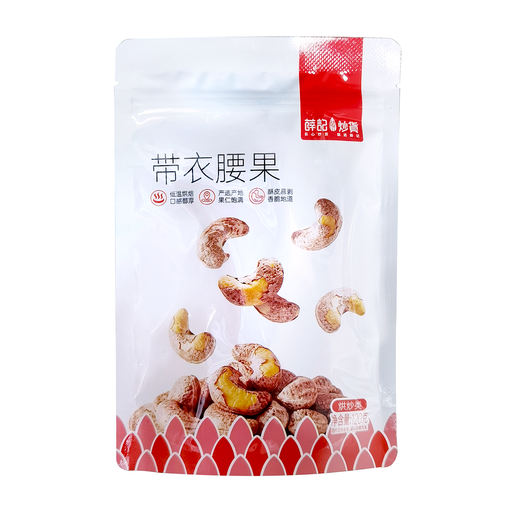
Why This Fits Their Persona: A compact 120g pack suits shoppers trying salted cashews without committing to a large quantity. It is portable for office snacking, film nights or accompanying a meal.
The listing identifies cashews and salt as the ingredients, with nutrition and net quantity clearly stated. It is described as ready to eat.
120g sealed pack; 16.1g protein per 100g; lightly salted recipe.
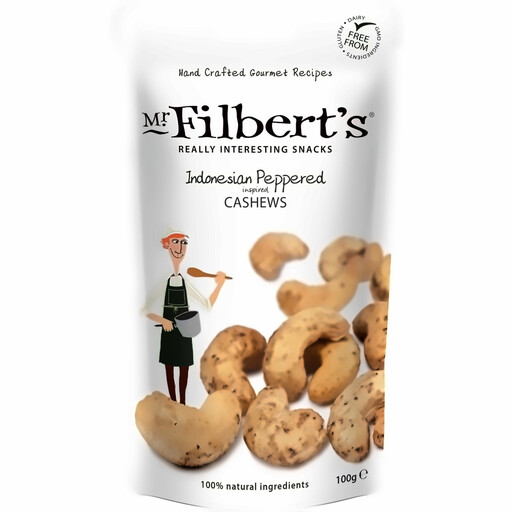
Why This Fits Their Persona: This is suited to shoppers looking beyond standard salted nuts, particularly for charcuterie boards, cocktails or Asian-inspired dishes.
The flavour is explained through a full ingredient list: cashews, pepper, chilli, coriander, turmeric, sea salt and natural flavouring.
Cashews make up 85%; 100g format; distinctive pepper-seasoned profile.
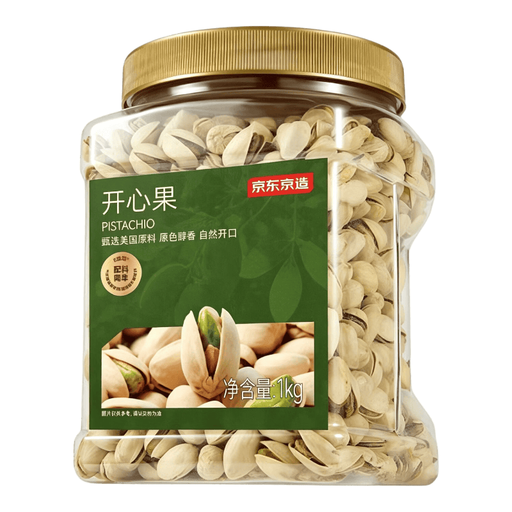
Why This Fits Their Persona: The 1kg format is suited to regular sharing, gatherings and households that prefer to keep a larger snack supply available.
The listing states a 99% pistachio and 1% salt recipe, making the seasoning ratio easier to assess before purchase.
1kg quantity; ready to eat; salt-roasted pistachios in shells.
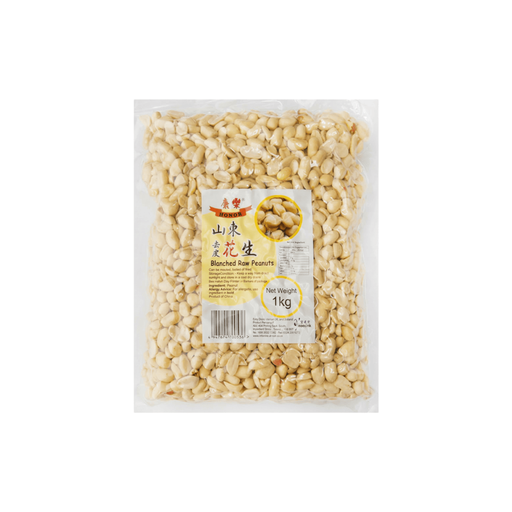
Why This Fits Their Persona: A 1kg ingredient pack works for peanut butter, baking, stir-fries and home roasting rather than immediate snacking.
The listing clearly states that cooking is required. This prevents the common mistake of treating raw peanut kernels as ready-to-eat snacks.
Peeled kernels; 1kg quantity; suitable for cooking, baking and making peanut butter.
We have compiled a complete, real-time list of products that fully satisfy these strict selection criteria and UK safety regulations.
For a softer texture, consider ready-to-eat chestnut kernels, such as 80g, 100g, 400g or 1kg formats. They can suit lunchboxes, travel and tea breaks without shelling. For a buttery crunch, compare pecans and macadamia nuts, checking whether sugar, salt, flavour enhancers or sweeteners have been added.
Plain walnuts are useful for cooking and baking, while flavoured pecans can work as a small treat or entertaining snack. Sunflower seeds offer a shell-free alternative, and pistachios can be purchased in smaller packs or larger sharing formats.
The price per 100g is often lower in a larger pack, but only if you will use the product before its quality declines. Compare net weight, storage instructions and whether the pack can be resealed. Smaller packs may reduce waste for occasional snackers.
Check the usage instructions rather than assuming. Many roasted nuts, salted nuts, pistachios, chestnut kernels and sunflower seeds are ready to eat. Raw or blanched peanut kernels may require thorough cooking first.
Follow the product label, but most packaged nuts should be kept in a cool, dry place away from sunlight. Seal the bag or transfer the contents to an airtight container where appropriate, and consume them within the recommended period after opening.