
24/7 Customer Support

Free returns

Same-day & Next-day Delivery

Quality Guaranteed

Unlock Your Welcome Offers: FREE Delivery | Up to 80% OFF | Free 30-day JoyPlus trial
Download the APP
As a Joybuy Product Recommendation Officer, my role is to help you navigate the crowded marketplace. When it comes to buying nuts and seeds, what seems like a simple purchase can be filled with pitfalls. From misleading "healthy" labels to poor quality, it's easy to feel disappointed. This guide will help you understand what to look for, ensuring you get the fresh, flavourful and nutritious products you expect.
Many of us reach for nuts and seeds as a healthy snack, but not all products are created equal. Before you add that bag to your basket, be aware of these common issues that can lead to buyer's remorse.
To avoid these traps, focus on a few key details on the product page. These non-negotiable checks will empower you to make a better choice.
The way nuts are prepared significantly impacts their flavour and nutritional profile.
almonds or cashews in their natural state for use in nuts for baking.Always scan the ingredients list. The simplest options are often the most reliable. For plain nuts, the list should contain one ingredient: the nut itself. For salted nuts or flavoured varieties, look for simple, recognisable seasonings. Be wary of long lists that include various types of sugars, artificial flavourings or MSG (monosodium glutamate).
For any product labelled as mixed nuts, UK regulations require a Quantitative Ingredient Declaration (QUID). This is usually found in or near the ingredients list and shows the percentage of each component. This is the only way to know if that "Walnut & Cashew Mix" is genuinely rich in those nuts or if it's mostly filled with less expensive ingredients.
Based on these practical criteria, here are some recommendations tailored to different needs and lifestyles.

Why This Fits Their Persona: For those juggling a busy schedule, convenience is paramount. This product contains 30 individual 25g snack packs, making it easy to grab a portion-controlled, healthy snack for the office, commute or gym bag.
It directly counters the "disappointing mix" and "freshness" traps. The ingredient percentages are clearly listed and the individual packs keep the nuts and seeds fresh until you're ready to eat them.
Ultimate convenience with pre-portioned packs. A diverse mix of nine different nuts, seeds and dried fruits ensures a varied and satisfying snack.
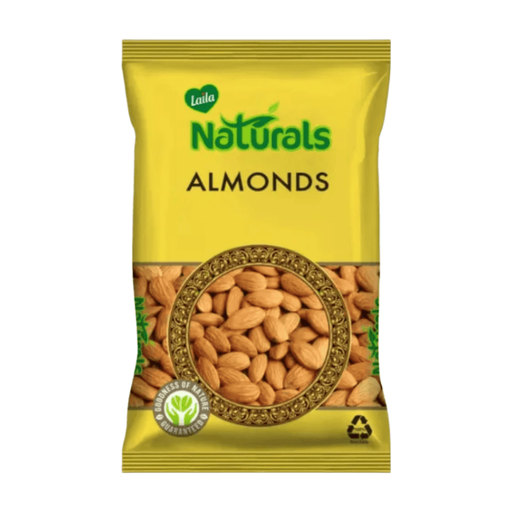
Why This Fits Their Persona: A keen cook or baker needs a reliable, versatile ingredient. This 500g pack of whole almonds is a pantry staple, perfect for everything from homemade almond flour and granola to garnishing curries or salads.
This product is 100% almonds, completely avoiding the "healthy illusion" trap of added oils, sugars or salt. The resealable pack also helps combat the "freshness" issue by keeping them protected after opening.
Pure, single-ingredient product offers maximum culinary flexibility. The large, resealable pack provides good value and helps maintain freshness for longer.
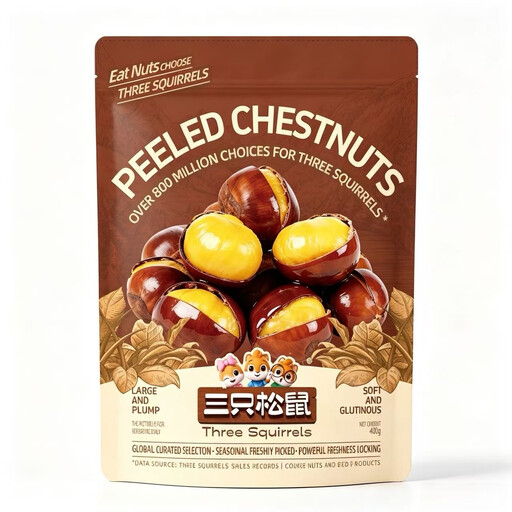
Why This Fits Their Persona: For those who love the taste of chestnuts but not the effort of peeling them, this is an ideal solution. These are cooked, peeled and ready to eat straight from the bag, offering a soft, sweet and satisfying snack with zero preparation.
With an ingredient list of just "Chestnut Kernels (100%)", it completely avoids the trap of hidden sugars or additives. The individual packaging inside the main bag also ensures each portion is fresh.
Maximum convenience with no shelling required. The naturally sweet and soft texture makes for a unique and wholesome snack that is lower in fat than many other nuts.
We have compiled a complete, real-time list of products that fully satisfy these strict selection criteria and UK safety regulations.
1. How can I tell if nuts have gone bad? The most obvious sign that nuts have gone bad (rancid) is the smell and taste. They will have a sharp, bitter and unpleasant odour, almost like old paint or putty. If they smell off, it's best not to eat them. Visually, they may look darker or oily, but the smell is the most reliable indicator.
2. What is the best way to store nuts and seeds to keep them fresh? To prolong freshness, store your nuts and seeds in an airtight container in a cool, dark and dry place like a pantry. Heat, light and oxygen are the main enemies. For long-term storage (more than a few months), placing them in the refrigerator or even the freezer is an excellent way to preserve their natural oils and prevent them from going rancid.
3. Are salted nuts an unhealthy choice? Not necessarily. It all comes down to moderation and reading the label. A light salting can enhance flavour. Check the "Salt" value per 100g in the nutritional information. A product with 0.5g of salt per 100g is very different from one with 1.5g or more. If you are mindful of your daily salt intake, you can easily fit salted nuts into a balanced diet or you can opt for unsalted versions and add a pinch of salt yourself if desired.