
24/7 Customer Support

Free returns

Same-day & Next-day Delivery

Quality Guaranteed

Unlock Your Welcome Offers: FREE Delivery | Up to 80% OFF | Free 30-day JoyPlus trial
Download the APP
Navigating the world of oils online can feel overwhelming. From the kitchen pantry to the bathroom cabinet, oils are a staple in many UK households. Yet, with countless options available, it's easy to fall into common purchasing traps, choosing a product that doesn't suit your needs or your budget. As a Joybuy Product Recommendation Officer, my role is to help you understand the key differences so you can make informed choices without getting swayed by marketing jargon.
This guide will break down the most common pitfalls when buying oils online and highlight the essential factors to consider, ensuring you select the right product for the right purpose, every time.
Before adding an item to your basket, be aware of these frequent issues that can lead to disappointment and wasted money.
To avoid the pitfalls above, focus on these core parameters. They provide a clear, objective way to assess whether an oil is right for you.
The smoke point is the temperature at which an oil begins to break down and smoke. This is the single most important factor for any cooking oil.
Always read the ingredient list. This is where you'll find the truth behind the marketing.
To help illustrate these points, here are a few products matched to different user needs, helping you see how to apply this knowledge practically.
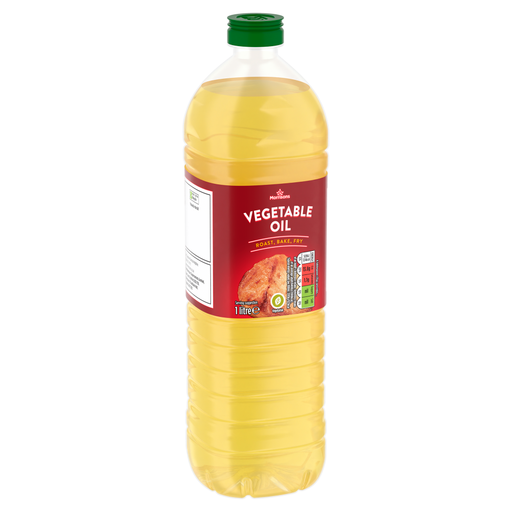
Why This Fits Their Persona: This is a practical, no-fuss choice for daily cooking in a busy UK household. Its neutral flavour and high smoke point make it a reliable workhorse for everything from frying chips to baking a Victoria sponge.
It directly solves the 'smoke point mismatch' by being an explicitly versatile, high-heat oil. There's no confusing marketing—it's 100% rapeseed oil, a straightforward and economical kitchen staple.
Highly versatile for frying, roasting and baking. Its neutral taste lets the flavour of your ingredients take centre stage.
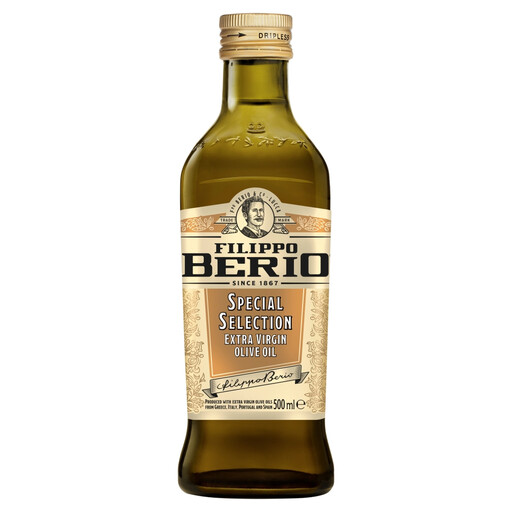
Why This Fits Their Persona: For those who see oil as an ingredient, not just a cooking medium. This extra virgin olive oil is designed to add a distinct, fruity character to dishes, perfect for drizzling on pasta, dipping bread or making a vinaigrette.
The product information clearly states it is a 'superior category olive oil' for drizzling and dressings. This transparency guides the user away from the 'smoke point mismatch' trap of using it for high-heat cooking.
Obtained solely by mechanical means, it retains a fruity, ripe olive flavour. It's an authentic finishing oil, not a generic cooking fat.

Why This Fits Their Persona: This user is looking for oils as a dietary supplement, not for cooking. These capsules provide a straightforward way to incorporate Omega-3, Vitamin A and Vitamin D into their daily routine to support general wellness.
It sidesteps the 'health halo' trap of culinary oils by being a dedicated supplement. Its purpose is clearly defined for nutritional support, with specific quantities of EPA, DHA and vitamins listed, allowing for an informed decision.
A convenient, one-a-day capsule combining fish oil and cod liver oil. Fortified with Vitamins A and D to complement daily dietary intake.
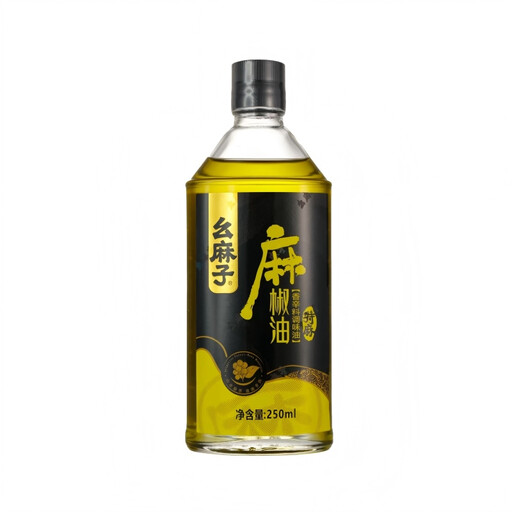
Why This Fits Their Persona: For the home cook exploring global cuisines, this oil is a key to unlocking authentic Sichuan flavours. It's a speciality finishing oil used to add the characteristic 'málà' (numbing and spicy) sensation to dishes.
It avoids the 'purity illusion' by being transparent. The ingredients clearly state it's a blend of soybean oil and 33% green Sichuan pepper. This honesty allows the buyer to understand they are purchasing an infused oil, not pure peppercorn oil.
Delivers an intense, authentic numbing pepper aroma from fresh green Sichuan peppers. A little goes a long way for flavouring cold salads, noodles and hot pot dips.
We have compiled a complete, real-time list of products that fully satisfy these strict selection criteria and UK safety regulations.
1. How should I store different types of cooking oil to keep them fresh? Most oils should be stored in a cool, dark place like a pantry, away from the heat of the oven. Delicate, flavourful oils like extra virgin olive oil or walnut oil are particularly sensitive to heat and light, which can cause them to go rancid. Refined oils like vegetable or sunflower oil are more stable. For some products like ghee, the label may recommend refrigeration after opening. Always check the storage instructions on the bottle.
2. Can I just use one type of oil for everything? While a neutral, high-smoke-point vegetable oil is very versatile, using it for everything means you miss out on the flavour benefits of other oils. For example, a salad dressing made with vegetable oil will lack the rich, fruity notes that an extra virgin olive oil provides. A practical approach for most kitchens is to have at least two oils: one for high-heat cooking and a flavourful one for dressings and finishing.
3. Are low calorie cooking sprays a good alternative? A low calorie cooking spray is a useful tool for reducing fat and calorie intake. It works by atomising the oil, allowing you to coat a pan with a very thin layer. According to Frylight, using 5 sprays can replace a tablespoon of oil, saving a significant amount of fat. They are excellent for frying eggs or preparing baking tins. However, for deep-frying, roasting vegetables or any recipe that requires a larger volume of oil for texture and heat transfer, traditional liquid oils remain the necessary choice.