
24/7 Customer Support

Free returns

Same-day & Next-day Delivery

Quality Guaranteed

Unlock Your Welcome Offers: FREE Delivery | Up to 80% OFF | Free 30-day JoyPlus trial
Download the APP
From the sizzle in the frying pan to a finishing drizzle on a salad, oil is a cornerstone of the British kitchen. Yet, when you decide to buy oils online in the UK, you are met with a dizzying array of choices. Navigating labels, understanding uses and avoiding common purchasing mistakes can feel overwhelming. As a Joybuy Product Recommendation Officer, my role is to help you filter the information and make choices that suit your needs, whether for cooking, health or beauty.
This guide will walk you through the common pitfalls to avoid and the key factors to consider, ensuring your next online oil purchase is a confident one.
Shopping for oil online offers convenience, but it also presents a few traps for the unwary. Being aware of these can save you both money and disappointment.
olive oil can do everything. Using a delicate, cold-pressed extra virgin olive oil for high-heat frying not only destroys its subtle flavours and nutritional properties but can also create unpleasant smoke. Conversely, using a neutral-tasting sunflower oil in a salad dressing will miss the opportunity to add character.sesame oil products are blended with a large percentage of soybean oil. Always check the ingredients list for the actual composition.To make an informed choice, focus on these three practical parameters. They will help you match the right oil to the right task.
The smoke point is the temperature at which an oil begins to break down and produce visible smoke. This is arguably the most important factor for cooking oils.
sunflower oil, groundnut (peanut) oil, and ghee (clarified butter). They remain stable at high temperatures, ensuring a crisp finish without burning.olive oil and walnut oil. Their delicate flavours and nutrients are best preserved when used in salad dressings, for dipping or as a finishing drizzle over cooked dishes.The word "oil" covers a vast range of products with different purposes.
cooking oil to speciality products like chilli oil or truffle oil, designed to add a specific taste profile.fish oil capsules are not for cooking. They are dietary supplements consumed for their concentrated nutritional content, such as Omega-3 fatty acids.hair oil and body oils. These are formulated for topical application to nourish skin and hair and should never be ingested.Finally, consider the taste. Do you need an oil that acts as a neutral background carrier for other flavours, or one that is a star ingredient itself?
Based on these practical considerations, here are a few recommendations matched to different user needs.
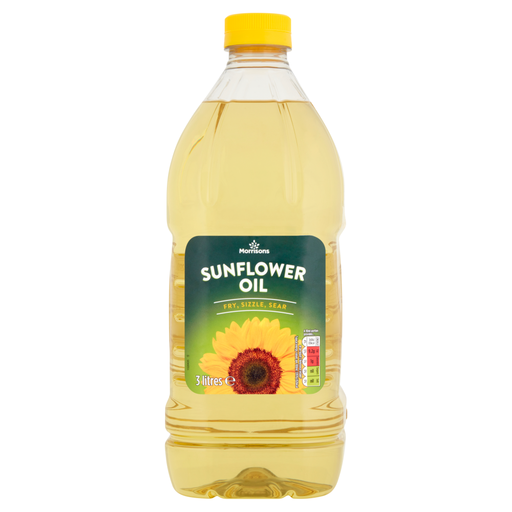
Why This Fits Their Persona: For a busy household that does a lot of varied cooking, this large-format sunflower oil offers excellent value and versatility for daily meals, from frying chips to roasting vegetables.
It directly solves the "one-size-fits-all" fallacy for high-heat cooking. It is a dedicated, high-smoke-point oil, clearly positioned for frying and roasting, not delicate dressings.
High smoke point suitable for frying and roasting. Neutral flavour does not overpower ingredients. The 3-litre size offers great value for money.
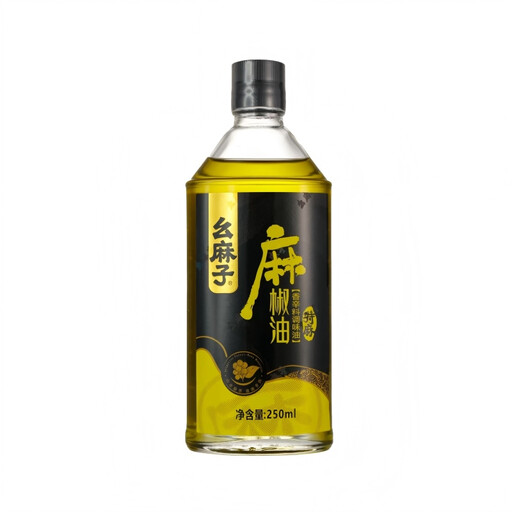
Why This Fits Their Persona: For the home cook who loves experimenting with Asian cuisine and wants to add an authentic, numbing (málà) sensation to dishes like noodles, hot pot dipping sauces or stir-fries.
This is a finishing and flavouring oil, not a primary cooking oil. Its purpose is clear, avoiding the trap of using the wrong oil for the job. The ingredients are simple: soybean oil and green Sichuan pepper.
Delivers an authentic, intense numbing flavour from fresh green Sichuan peppers. A versatile seasoning that can be drizzled directly onto finished dishes.

Why This Fits Their Persona: Perfect for someone looking to supplement their diet with specific nutrients like Omega-3, Vitamin A and Vitamin D, rather than seeking a culinary product. It's about targeted nutritional support.
This product's clear identity as a dietary supplement completely avoids any confusion with cooking oils. It highlights the importance of choosing an oil based on its intended use.
Provides a specific blend of cod liver oil and fish oil for Omega-3 (EPA & DHA). Fortified with Vitamins A and D. Convenient, easy-to-swallow daily capsule.
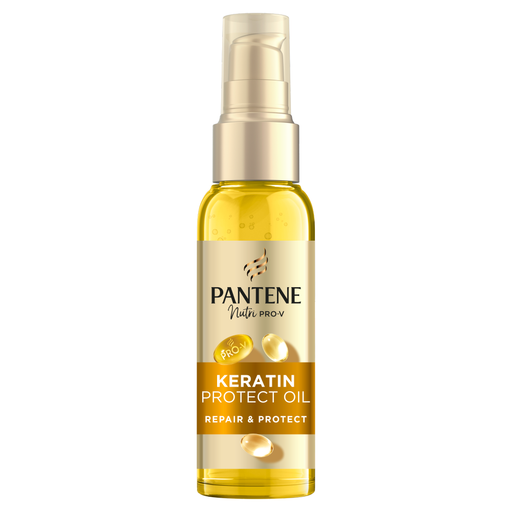
Why This Fits Their Persona: For those seeking a targeted solution for dry, damaged or frizzy hair. This is a cosmetic product designed to be part of a daily hair care routine for nourishment and shine.
Its clear branding as a `hair oil` prevents any misuse. It demonstrates that the "oil" category extends beyond the kitchen and requires careful selection based on its specific formulation and purpose.
Formulated to nourish and repair damaged hair. Can be used on wet or dry hair without rinsing. According to the brand, it helps make hair more resistant to breakage.
We have compiled a complete, real-time list of products that fully satisfy these strict selection criteria and UK safety regulations.
Here are answers to a few common queries we see from UK shoppers.
Most cooking oils, especially delicate ones like extra virgin olive oil and nut oils, should be stored in a cool, dark place like a cupboard, away from the oven or direct sunlight. Heat and light are the primary enemies of freshness. Always ensure the cap is screwed on tightly to minimise exposure to air. Some speciality oils, like perilla oil, may recommend refrigeration after opening—always check the label.
Not ideally. Extra virgin olive oil has a low smoke point and a rich, peppery flavour, making it perfect for dressings, dipping and drizzling over finished dishes. For high-heat frying, a more suitable choice would be a refined "light" olive oil or a different type of oil altogether, like sunflower or groundnut oil, which have higher smoke points.
Ghee is a type of clarified butter, meaning the milk solids and water have been removed. This process gives ghee a much higher smoke point (around 250°C) compared to regular butter (around 175°C), making it far better for high-heat frying and searing. It also has a longer shelf life and a rich, nutty flavour.