
24/7 Customer Support

Free returns

Same-day & Next-day Delivery

Quality Guaranteed

Unlock Your Welcome Offers: FREE Delivery | Up to 80% OFF | Free 30-day JoyPlus trial
Download the APP
Navigating the olive oil aisle can feel surprisingly complex. With labels boasting terms like "cold pressed," "extra virgin" and various country origins, it's easy to grab a bottle that looks the part but doesn't suit your cooking needs. Many UK households end up with an expensive finishing oil that smokes on the hob, or a flavourless one that falls flat in a salad dressing. The goal is to find the right oil for the right job, without falling for marketing hype.
As the Joybuy Product Recommendation Officer, my role is to help you understand the practical differences so you can make a confident choice. Let's look at the common pitfalls and what really matters when you buy olive oil.
To ensure you get the right product for your kitchen, focus on these key parameters. Understanding them will help you select the perfect olive oil for cooking, salads or finishing.
This is the most important distinction. The grade tells you how the oil was processed and what it's best used for.
Italian olive oil and organic olive oil options fall into this category.olive oil for cooking, including sautéing, roasting and even light frying.The smoke point is the temperature at which an oil begins to break down and produce visible smoke. Using an oil above its smoke point can ruin the flavour of your food and release harmful compounds.
extra virgin olive oil. This makes it suitable for gentle sautéing but not ideal for deep-frying or searing at very high heat.Always opt for olive oil packaged in dark glass bottles or opaque tins. This protects the oil from light degradation. For size, consider your usage. If you use olive oil daily, a 1l olive oil bottle or even a larger tin can offer better value. If you only use it occasionally for dressings, a smaller 250ml or 500ml bottle ensures you finish it while it's still fresh.
Based on these practical criteria, here are a few recommendations matched to different needs and budgets.
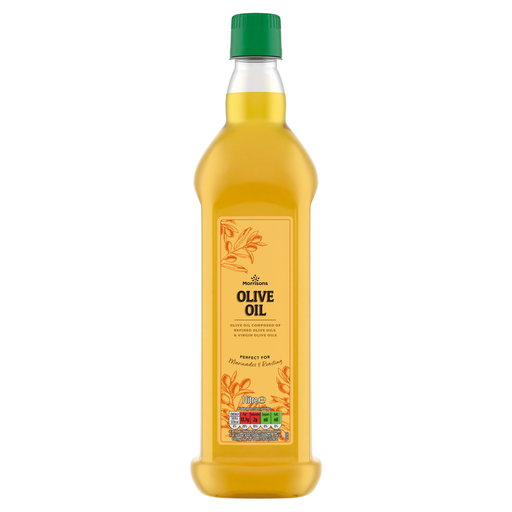
Why This Fits Their Persona: This is a practical, no-fuss choice for UK families who need a reliable oil for daily meals. It's designed for roasting vegetables, pan-frying chicken and as a base for marinades, covering most everyday cooking tasks without the premium price tag of a finishing oil.
It's a blend of refined and virgin olive oils, giving it a higher smoke point. This prevents you from accidentally burning a delicate, expensive EVOO during high-heat cooking.
Excellent value in a large 1l olive oil bottle. Its mild flavour won't overpower dishes, making it a versatile kitchen staple.
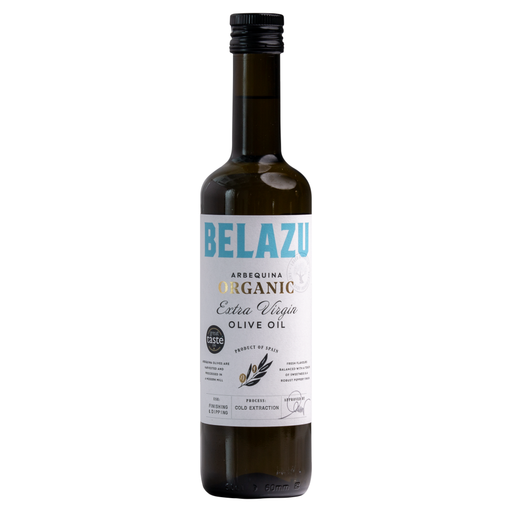
Why This Fits Their Persona: For those who appreciate nuanced flavours and prioritise organic sourcing. This Spanish EVOO is perfect for creating the best olive oil for salads, drizzling over grilled fish or dipping with artisan bread. Its robust, peppery finish elevates simple ingredients.
This is a genuine cold pressed finishing oil. By using it for its intended purpose (dressings, finishing), you get the full value of its complex flavour profile, rather than burning it off in a hot pan.
Certified organic olive oil from a single type of olive (Arbequina) for a distinct, high-quality taste. The mechanical extraction preserves its natural character.
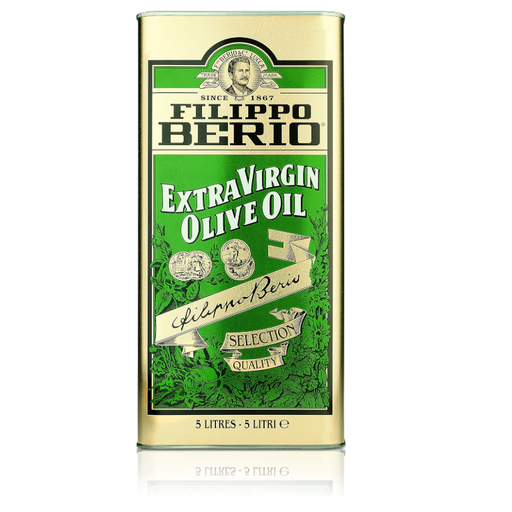
Why This Fits Their Persona: For busy family kitchens or small food businesses that go through a lot of olive oil, this 5-litre tin offers great economy. It provides a consistent, quality extra virgin olive oil from a well-regarded brand, ensuring you don't have to compromise on quality for quantity.
The large, opaque tin is the perfect packaging. It completely blocks out light, protecting the large volume of oil from degradation and ensuring the last drop is as fresh as the first.
Significant cost savings per litre compared to smaller bottles. It's a reliable Italian olive oil suitable for a wide range of uses, from dressings to gentle cooking.
We have compiled a complete, real-time list of products that fully satisfy these strict selection criteria and UK safety regulations.
Yes, you can, but it's best for low-to-medium heat cooking like sautéing or baking. Its smoke point is lower than refined oils, so it's not the right choice for deep-frying or searing at very high temperatures. To get the most value from its superior flavour, it's often best to add it at the end of cooking or use it raw.
The three enemies of olive oil are heat, light and air. Store your bottle or tin in a cool, dark place like a cupboard, away from the oven or hob. Always make sure the cap is screwed on tightly after use to minimise exposure to oxygen. There is no need to refrigerate it; in fact, this can cause it to solidify and may trap condensation in the bottle.
"Cold pressed" (or cold extraction) means the oil was extracted from the olives using only mechanical pressure, without any added heat. The temperature is kept below 27°C during the process. This gentle method helps the oil retain its full flavour, aroma and nutritional profile, and it is a hallmark of all extra virgin olive oils.