
24/7 Customer Support

Free returns

Same-day & Next-day Delivery

Quality Guaranteed

Unlock Your Welcome Offers: FREE Delivery | Up to 80% OFF | Free 30-day JoyPlus trial
Download the APP
As a Joybuy Product Recommendation Officer, I see how UK shoppers navigate the crowded aisles of drinks, both online and in-store. When it comes to a household staple like orange juice, the choice seems simple, but it's often filled with subtle traps that can lead to disappointment. Many products look similar, but what's inside the carton or bottle can vary dramatically in quality, sugar content and value for money.
Before you add that next bottle to your basket, let's look at the common pitfalls that catch out even the savviest shoppers.
To make a confident choice, you don't need to be a food scientist. You just need to know where to look. Focusing on these three parameters will help you find the right orange juice for your family's needs and budget.
This is the most important number on the packaging. UK regulations are quite clear on labelling:
Always check the ingredients list for the percentage of fruit juice. This single step will immediately tell you whether you're buying pure juice or a flavoured water.
For a healthier choice, especially for children, analysing the sugar content is vital. On the nutritional information panel, look for the "Carbohydrates, of which sugars" line. This figure tells you the total sugar content per 100ml, from all sources. A genuinely low sugar orange juice will have a noticeably lower figure here.
Next, scan the ingredients list for:
This helps you understand if the sweetness is purely from the fruit or from other additives.
The right format depends entirely on your household's routine.
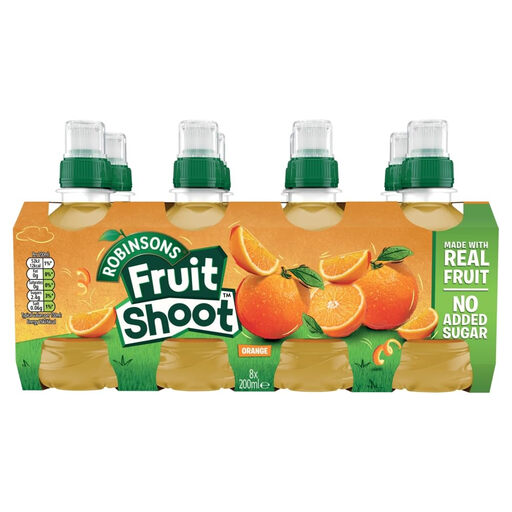
Why This Fits Their Persona: This is a practical solution for UK parents packing daily lunchboxes. The spill-proof sports cap is designed for active kids, and the multipack format ensures you always have a convenient drink on hand for school, sports or days out.
It directly addresses the hidden sugar trap by being an explicitly low sugar orange juice drink (1.2g of sugar per 100ml). The labelling is clear that it's a juice drink, not 100% juice, managing expectations correctly.
Made with real fruit juice and contains no artificial colours or flavours. The child-friendly, resealable design minimises mess and waste.
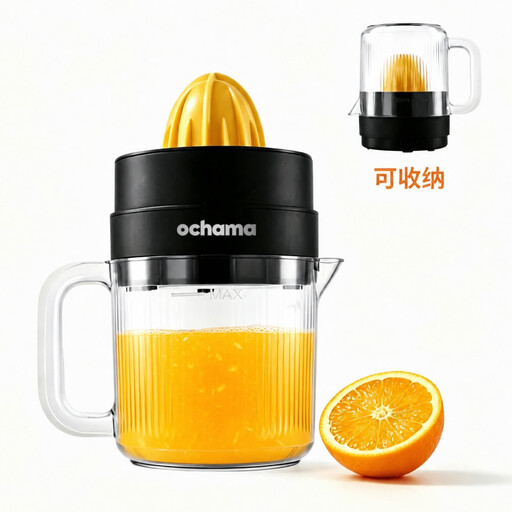
Why This Fits Their Persona: For the household that prioritises freshness above all, an electric citrus juicer is the ultimate tool. It gives you complete control over the final product, ensuring your orange juice is 100% pure, fresh and free from any preservatives or additives.
This bypasses all packaging pitfalls. You control the ingredients, so there are no hidden sugars, no sweeteners and no confusion about juice content. You get exactly what you put in: pure, fresh orange juice.
The bladeless press design is safe for family use, and the parts are easy to disassemble for cleaning. It offers a high juice extraction rate, getting the most out of every orange.
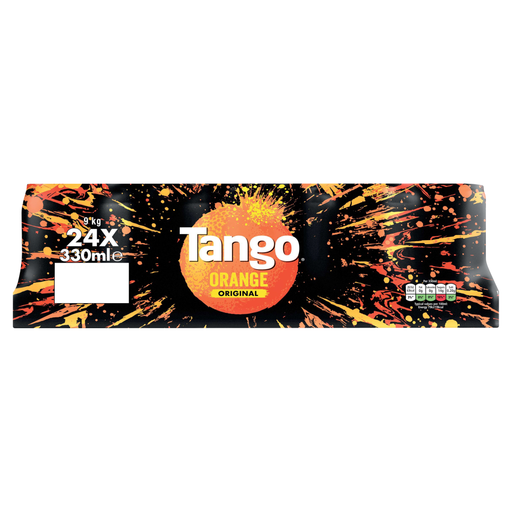
Why This Fits Their Persona: For those who love a classic fizzy orange drink and want to stock their pantry, this 24-can multipack offers great value. It's a reliable choice for parties, family barbecues or simply ensuring there's always a refreshing can in the fridge.
This product doesn't pretend to be pure juice. It's an unapologetic carbonated soft drink. Buying in a large orange juice multipack like this provides a lower cost-per-can, avoiding the higher prices of single-can purchases.
A classic, bold orange flavour that's a UK favourite. It's free from artificial colours and flavours and is suitable for vegetarians and vegans.
We have compiled a complete, real-time list of products that fully satisfy these strict selection criteria and UK safety regulations.
In the UK, the term 'orange juice' is legally protected and can only be used for products that are 100% juice from oranges. An 'orange juice drink' or 'orange-flavoured drink' is a beverage that contains some orange juice, but also includes other ingredients like water, sugar, sweeteners and flavourings. The juice content can be as low as 5%, so it's vital to check the label.
Start by looking at the nutritional information for the "of which sugars" value per 100ml. Compare different products to find one with a lower number. Then, check the ingredients list to see if sweeteners like sucralose or aspartame have been used to replace sugar. Many brands now offer 'zero' or 'low sugar' versions specifically for this reason, often in convenient multipacks.
There is an initial cost for the electric citrus juicer itself. However, the long-term cost-effectiveness depends on your consumption. If your family drinks fresh orange juice daily, investing in a juicer and buying oranges in bulk can be more economical over time compared to buying pre-packaged 'not from concentrate' juice. It also gives you the benefit of maximum freshness and zero additives.