
24/7 Customer Support

Free returns

Same-day & Next-day Delivery

Quality Guaranteed

Unlock Your Welcome Offers: FREE Delivery | Up to 80% OFF | Free 30-day JoyPlus trial
Download the APP
A good jar of orange marmalade is a cornerstone of the British breakfast table. Yet, choosing one online can feel like a gamble. With labels promising "traditional recipes" and "artisanal quality," it's easy to end up with a spread that's more sugary syrup than zesty preserve. Before you add a jar to your basket, it pays to know what to look for and what to avoid.
Many shoppers find themselves disappointed by a few common pitfalls. Firstly, there's the trap of a low fruit content masked by a high price. A premium-looking jar isn't always a guarantee of quality; some are bulked out with glucose-fructose syrup and contain a surprisingly small amount of actual orange. Secondly, the terminology around the peel, or "shred," can be confusing. You might be looking for a smooth spread for the family but accidentally purchase a coarse-cut marmalade with large, chewy pieces of rind. Understanding these key differences is the first step to finding the perfect marmalade for your toast.
To ensure you buy the right orange marmalade online, focus on a few non-negotiable details on the product description and ingredients list. These factors separate a truly satisfying preserve from a subpar one.
The most important indicator of quality is the fruit content, usually listed as "Prepared with Xg of fruit per 100g". A higher number generally points to a richer, more authentic orange flavour. For that classic, tangy bitterness that defines a proper marmalade, look for those made with Seville oranges. This variety, available only for a short period each year, has a higher pectin content and a sharp, complex flavour that other oranges cannot replicate. If a marmalade is simply labelled "bitter orange," it may not have the same distinctive taste.
The texture of a marmalade is a matter of personal preference, but it's crucial to know what you're getting. The "shred" refers to the pieces of orange peel suspended in the jelly.
By checking for these terms, you can confidently choose a texture that suits your palate.
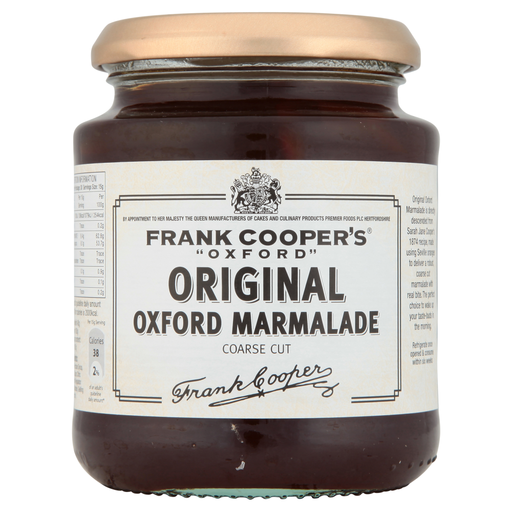
Why This Fits Their Persona: This is for the person who believes marmalade should have a proper bitter kick. They appreciate the history and robust flavour of a classic Oxford-style preserve on their morning toast or crumpets.
It explicitly uses Seville oranges, ensuring an authentic, tangy flavour rather than a vaguely sweet one. The fruit content is a solid 40g per 100g.
A classic, dark marmalade with a strong, satisfyingly bitter profile. The recipe has a long-standing reputation for a reason.
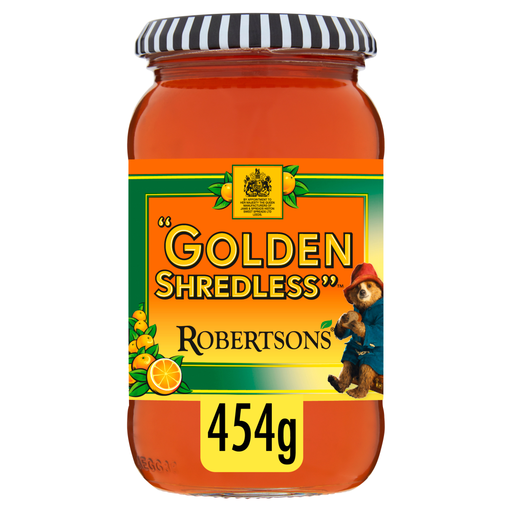
Why This Fits Their Persona: Ideal for households with children or adults who are particular about texture. They want the bright, citrus taste of marmalade without any bits of peel getting in the way.
This product completely avoids the "shred confusion" pitfall. The name and description make it clear that it is a shredless marmalade, so there are no surprises.
Offers a completely smooth, consistent texture. It's a familiar, reliable choice from a well-known brand of breakfast preserves.
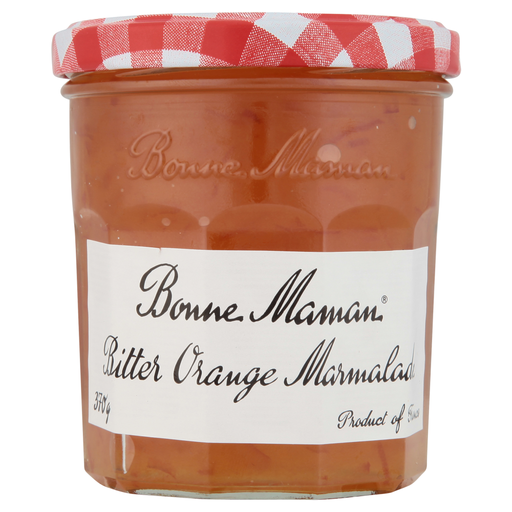
Why This Fits Their Persona: This shopper seeks quality ingredients and a refined texture. They want a noticeable citrus flavour and a delicate shred, but nothing too overpowering or chunky.
It sidesteps the "low-quality filler" trap by using a simple recipe of sugar, oranges and fruit pectin, with no glucose-fructose syrup. The "fine shred" label is accurate.
Made with simple, recognisable ingredients for a more natural taste. The fine shred provides a pleasant, delicate texture.
We have compiled a complete, real-time list of products that fully satisfy these strict selection criteria and UK safety regulations.
The terms refer to different things. Seville orange marmalade is defined by its primary ingredient: the bitter, aromatic Seville orange. It can be made with a fine, thick or medium cut of peel. Dundee marmalade is a specific, traditional Scottish recipe that is characterised by its thick, coarse-cut chunks of Seville orange peel, giving it a very robust texture and flavour. In short, most Dundee marmalade is a type of Seville marmalade, but not all Seville marmalade is Dundee-style.
Once a jar of commercially produced marmalade is opened, it should be stored in the refrigerator with the lid tightly sealed. For most brands, it is recommended to consume the contents within six weeks to ensure the best quality and flavour. Always refer to the storage instructions on the jar's label for specific guidance.
Yes, orange marmalade is a very versatile ingredient in the kitchen. A shredless marmalade makes an excellent glaze for roast ham, chicken or duck, providing a sweet and tangy finish. Marmalades with shred can be used as a filling for sponge cakes, stirred into bread and butter pudding or used in marinades to add a citrusy depth of flavour.