
24/7 全天候客户支持

免费退货

当日/次日达

品质保障

开启新人专享福利: 全场免邮 | 低至 2 折 | 免费试用 30 天 JoyPlus 会员
下载 Joybuy
Shopping for organic food online should be straightforward, but the digital aisles can be just as confusing as physical ones. Many of us are looking to fill our cupboards with wholesome, sustainably sourced products, only to be met with vague labels and marketing hype. As the Joybuy Product Recommendation Officer, my role is to help you navigate this landscape and make choices that align with your values and budget.
Before you add anything to your basket, it's worth knowing the common pitfalls. Many shoppers find themselves paying a premium for products that aren't what they seem. Here are the key traps to avoid:
organic groceries UK online, you can't physically inspect the items. The quality of products like oils, grains and even tinned goods depends heavily on their origin and processing methods, information that is often buried or omitted.To ensure you're getting genuine value, focus on a few core parameters. These are the non-negotiables for anyone looking to stock a truly healthy food shop at home.
This is the single most important factor. Any food or drink sold as 'organic' in the UK must comply with strict legal standards. When shopping, look for one of these official logos on the packaging:
The presence of these logos guarantees that the product has been produced and processed according to rigorous standards governing everything from soil management to animal welfare and permitted additives.
The front of the pack tells a story; the back tells the facts. A quick scan of the ingredients can reveal a lot about a product's true quality.
vegan pantry staples or gluten-free food online, where you want pure ingredients without cross-contamination or unnecessary additives.Knowing where your food comes from is a key part of conscious consumption. Reputable sustainable food brands are transparent about their sourcing. Check the product description or packaging for the country of origin. This not only gives you an idea of the food miles but can also be an indicator of quality, as certain regions are renowned for specific products, like Italian sun-ripened tomatoes or Irish oats.
Here are a few products that meet these criteria, matched to different household needs.
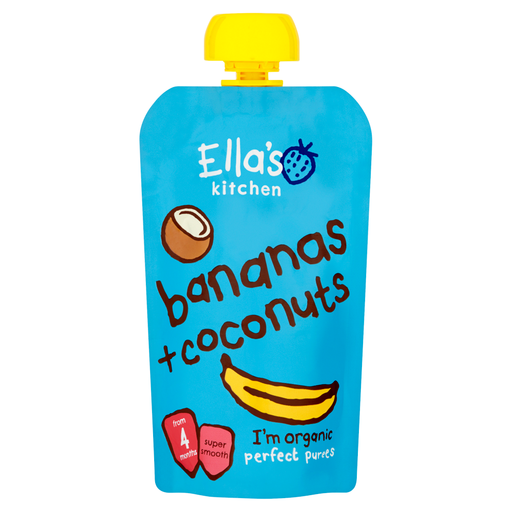
Why This Fits Their Persona: For parents navigating the world of organic baby food, convenience and trust are paramount. This pouch offers a simple, no-mess solution for weaning, whether at home or on the go, without compromising on organic principles.
It directly counters the "hidden sugars" trap. The ingredient list is just organic bananas, organic coconut milk and a dash of organic lemon juice. There is no added sugar, salt or water.
The super-smooth texture is ideal for babies from 4 months. It is also a certified B Corporation, reflecting a commitment to high environmental and social standards.
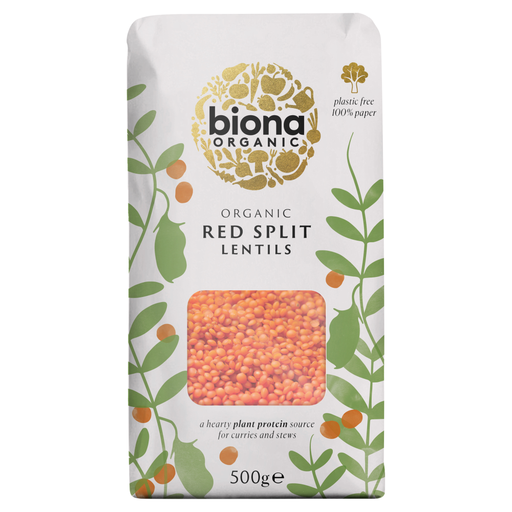
Why This Fits Their Persona: This is a foundational item for anyone building a pantry of vegan pantry staples. It's a versatile, single-ingredient product that serves as a base for countless healthy, home-cooked meals like soups, dahls and curries.
It completely avoids the "hidden fillers" pitfall. The only ingredient is certified organic red split lentils. Biona is a long-standing organic brand, addressing concerns about sourcing and quality.
A great source of plant-based protein and dietary fibre. The packaging is a 100% recyclable paper bag, appealing to those looking for sustainable choices.
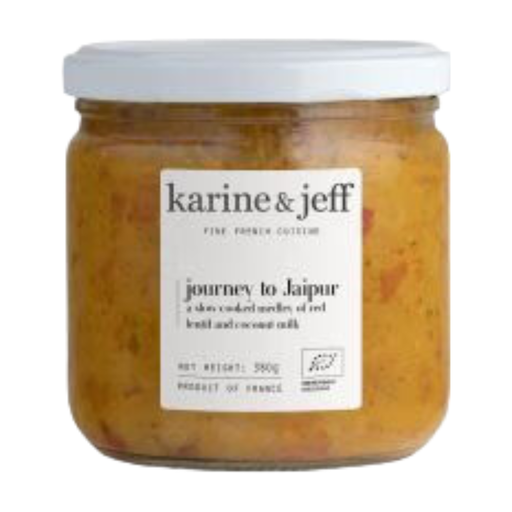
Why This Fits Their Persona: For those short on time but unwilling to compromise on a flavourful, healthy meal. This ready-made dish provides a complete, satisfying meal that just needs heating, perfect for a quick work lunch or an easy evening dinner.
This product's transparent ingredient list—featuring carrots, coral lentils, coconut milk and spices—is a direct counter to the "hidden fillers" trap common in pre-made meals.
It offers a complex, layered flavour profile from quality organic ingredients, including first cold-pressed sunflower oil. It's a nutritious, plant-based meal ready in minutes.
We have compiled a complete, real-time list of products that fully satisfy these strict selection criteria and UK safety regulations.
While some organic items have a higher price point due to the costs of certification and farming practices, shopping online can offer value. You can often buy organic snacks and staples in larger quantities at a better price. Furthermore, online retailers may have lower overheads than specialist physical stores, sometimes passing those savings on to you.
Reputable online retailers prioritise a reliable supply chain. To ensure freshness, choose products with robust packaging like glass jars and sealed bags. Always check the product page for storage instructions and "best before" dates. Reading recent customer reviews can also provide insight into the quality and freshness upon delivery.
This is a crucial distinction. 'Organic' is a legally protected and regulated term. For a product to be labelled organic, it must meet strict government standards covering production, processing and labelling. 'Natural', on the other hand, has no legal definition in the UK and can be used by marketers more freely. For a guarantee of standards, always look for an official organic certification logo.