
24/7 全天候客户支持

免费退货

当日/次日达

品质保障

开启新人专享福利: 全场免邮 | 低至 2 折 | 免费试用 30 天 JoyPlus 会员
下载 Joybuy
Buying medicines online can save a trip to the pharmacy, particularly when you are managing children’s symptoms, seasonal allergies or a late-night cold. However, a low price or familiar packaging does not automatically mean a product suits your age, symptoms or existing medicines.
This guide explains what to check before you buy over-the-counter medicines UK households commonly keep at home, from pain relief tablets and cold and flu relief to baby healthcare products.
“Cold relief”, “cough medicine” and “pain relief” cover several different formulations. A dry, tickly cough is not the same as a chesty cough with phlegm. Likewise, a blocked nose may require a nasal spray, while hay fever symptoms may call for allergy relief capsules.
Read the active ingredients, not just the front-of-pack wording. Avoid taking two products containing the same ingredient, especially paracetamol. Many hot drink sachets and combination cold remedies already contain it.
Children’s medicines are not simply smaller versions of adult products. Check the stated age range, minimum weight where relevant, dose interval and maximum number of doses in 24 hours.
For example, some paracetamol for children products are designed for infants from two months, while adult paracetamol capsules may be suitable only from 12 years. Aspirin products such as aspirin 300mg should not be given to anyone under 16 unless directed by a doctor.
These descriptions do not replace the warnings. Herbal teething powders can contain lactose, cough syrup may contain sugar or alcohol, and an allergy product containing a decongestant may not suit people with certain conditions or medicines.
A non-medicated product also needs careful use. Calpol Vapour Plug refills, for instance, are aromatic pads rather than medicines and must be used with the specified plug-in device.
Use the formulation that matches the problem:
Tablets and capsules can be convenient for adults and older children, while liquid products need an accurate measuring spoon or device. For infants, confirm whether the product can be given from birth or only above a particular age.
Examples include infant colic drops containing simeticone or dimeticone, gripe water, teething gel and teething powders. Never assume two baby products with similar purposes can be used together without checking their leaflets.
Look for allergens and ingredients that may matter to your household, including lactose, sucrose, glucose, soy, gelatin, ethanol and preservatives. Also check:
Large packs can be practical for regular household use, but they are not economical if the product is unsuitable or expires before use. Always follow the current packaging, as formulations and instructions can change.
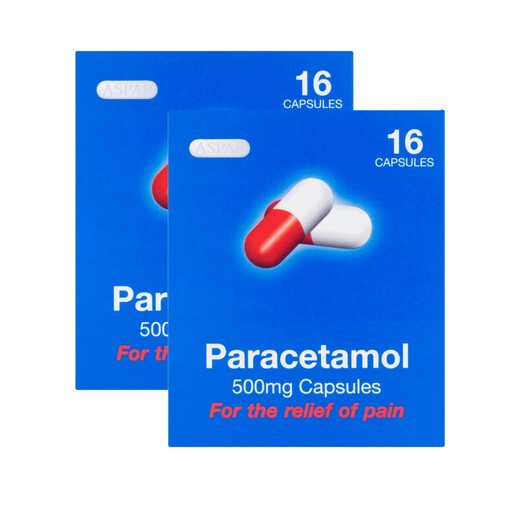
Why This Fits Their Persona: A straightforward capsule format for adults, older people and children aged 12 years and over who want a compact household pain-relief option.
The 500mg strength and age guidance are clearly specified, helping shoppers avoid choosing an unsuitable children’s formulation or duplicating paracetamol in another product.
Soft gelatin capsules; two 16-capsule packs; stated dose intervals and daily maximum.
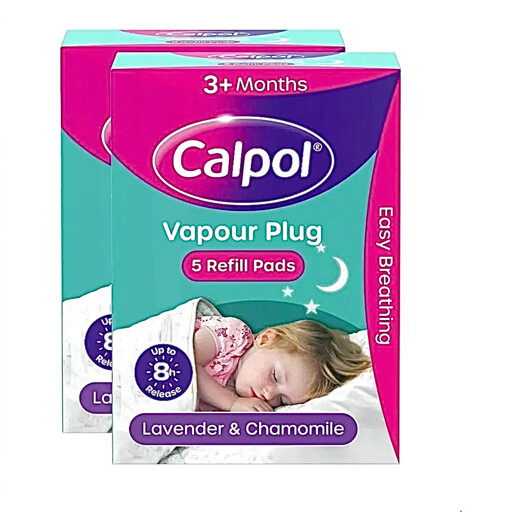
Why This Fits Their Persona: Suitable for households already using the compatible vapour plug and looking for individually wrapped, non-medicated aromatic pads for night-time use.
The listing states that the pads fit the CALPOL Vapour Plug & Nightlight device and are not medicines, preventing buyers from treating them as a substitute for medical care.
Individually wrapped pads; up to eight hours of aromatic release per pad; suitable from three months when used as directed.
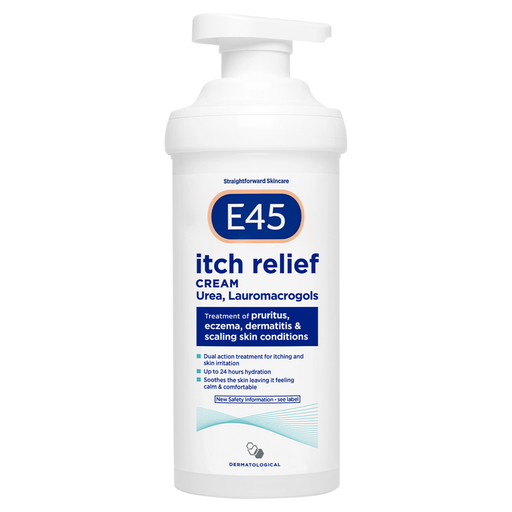
Why This Fits Their Persona: A large pump format for households applying itch relief cream regularly to dry, itchy skin, subject to the label and medical advice.
The ingredient strengths are stated as 5% urea and 3% lauromacrogols, while the warnings cover broken skin, irritation and fabric fire risk.
500g pump bottle; fragrance-free formulation; designed for external use.
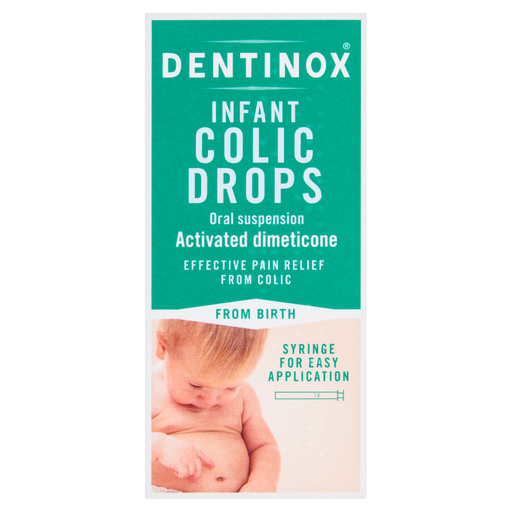
Why This Fits Their Persona: Parents and carers seeking an infant colic product with a measured syringe and suitability from birth onwards, subject to the product directions.
The dose is measured at 2.5ml, with a stated maximum of six doses daily, helping reduce guesswork when administering infant colic drops.
Suitable from birth; alcohol-free formulation; can be given directly or added to a bottle.
We have compiled a complete, real-time list of products that fully satisfy these strict selection criteria and UK safety regulations.
You can shop for many non-prescription products online, but check the product classification, seller information, packaging and leaflet before use. For a prescription-only medicine, an OTC listing is not a substitute for a prescription or pharmacist consultation.
Compare the cost per tablet, capsule, sachet or millilitre, not only the headline pack price. Also factor in delivery, pack size, expiry date and whether a measuring device is included. A larger bottle may be practical for regular use, while a smaller pack can reduce waste for occasional symptoms.
Seek advice when symptoms are severe, unusual, persistent or worsening, or when the user is pregnant, breastfeeding, very young, elderly or taking regular medication. Ask before using products if there is a history of allergies, asthma, stomach ulcers, kidney or liver problems, high blood pressure or medicine interactions. For suspected overdose, seek urgent medical help even if the person appears well.