
24/7 Customer Support

Free returns

Same-day & Next-day Delivery

Quality Guaranteed

Unlock Your Welcome Offers: FREE Delivery | Up to 80% OFF | Free 30-day JoyPlus trial
Download the APP
Buying pasta online can save a trip to the supermarket, but convenience does not always mean value. Product photos may make a small pot look substantial, “protein-rich” descriptions may distract from high salt levels and a pasta sauce labelled for family meals may still contain allergens that do not suit everyone at the table.
Whether you need a jar of pasta sauce, a cupboard staple such as fusilli pasta or convenient instant pasta for a busy weekday, check the practical details before placing your order.
A 100g instant pasta pot is generally designed as one portion, while a 350g jar of sauce may serve two to three people. A larger-looking product image does not indicate a larger quantity. Always compare the net weight, stated servings and preparation requirements.
For family pasta meals, check whether the sauce is sufficient for the amount of dry pasta recommended on the label. Homepride Pasta Bake Creamy Tomato & Bacon 485g, for example, gives instructions for 300g of dry pasta and 100g of grated cheese, making the additional ingredients clear before purchase.
Words such as “protein”, “no added sugar” or “vegan” need context. A product can contain more protein than a standard instant pasta option while still being relatively high in salt or saturated fat. Likewise, “no added sugar” does not mean sugar-free.
Compare the nutrition table per 100g and per serving. This is particularly important for Korean-inspired instant pasta products, where seasoning oils and sauces can make salt and saturated fat levels significant.
Pasta commonly contains wheat and gluten, while sauces may contain milk, celery, egg or barley. Products made in shared facilities may also carry a “may contain” statement. Read the allergen information on the product page and confirm it against the packaging when your order arrives.
Preparation can also vary. Some microwave pasta bowls require a specified volume of water and cooking time, while jarred sauces need refrigeration after opening and consumption within a stated period. These details affect whether a product genuinely suits your routine.
For a traditional pasta base, look for the type of flour or semolina used. Napolina Fusilli and Napolina Plain Lasagne list 100% durum wheat semolina, while Garofalo Gluten Free Lasagne uses corn, rice, potato and quinoa flours.
Sauces also differ considerably. Loyd Grossman Bolognese Original contains tomatoes, red wine, carrot, onion, celery, garlic and herbs. Homepride Pasta Bake Creamy Tomato & Bacon includes bacon pieces and dairy ingredients, so it is not suitable for vegetarian or dairy-free diners.
Use the nutrition panel to compare energy, fat, saturates, carbohydrate, fibre, protein and salt. The figures supplied for instant products are often per 100g, so check whether the pack is 100g, 105g or a different weight.
Also review:
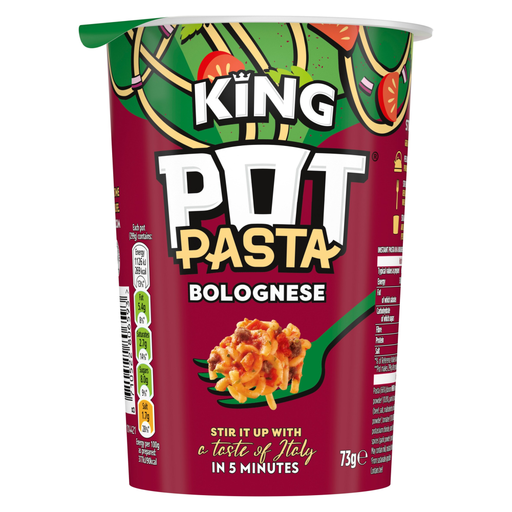
Why This Fits Their Persona: A compact ambient pot for students, first-time online shoppers and anyone needing a simple lunch with minimal equipment. It is prepared with hot water and is stated to be ready in five minutes.
The 73g pack size and per-pot nutrition figures make the portion clear, helping shoppers avoid judging quantity from the product image alone.
Ambient storage; hot-water preparation; one pot provides 261 kcal and 8.7g protein according to the supplied product information.
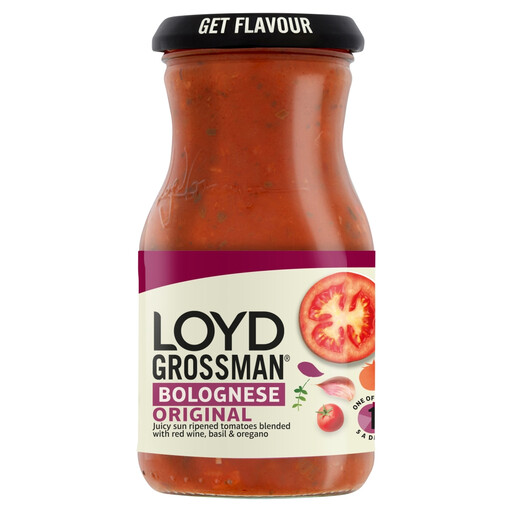
Why This Fits Their Persona: A convenient choice for shoppers who want a developed tomato sauce for spaghetti bolognese without preparing the sauce base from individual ingredients.
The ingredient list and serving guidance are available before purchase, while celery is clearly identified as an allergen.
Contains 43% tomatoes; includes herbs and vegetables; serves two to three people according to the supplied description.
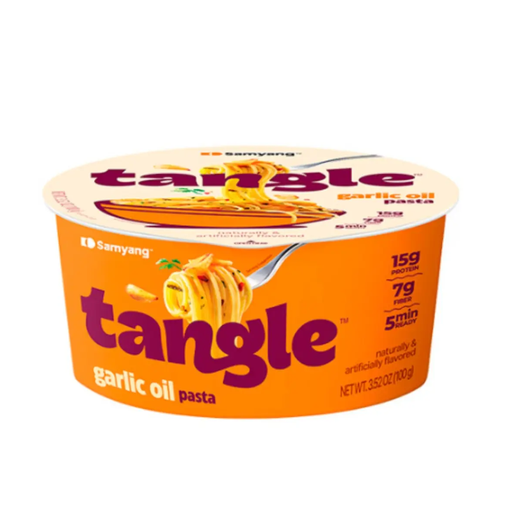
Why This Fits Their Persona: Suitable for shoppers seeking Korean-inspired instant pasta with a plant-based format and a higher stated protein content than some standard quick meals.
The product information states the pack is vegan and lists wheat and soy allergens, allowing dietary shoppers to check suitability rather than rely on flavour imagery.
Pea protein isolate is included in the pasta; the stated nutrition is 13g protein per 100g; the bowl is stored at ambient temperature.
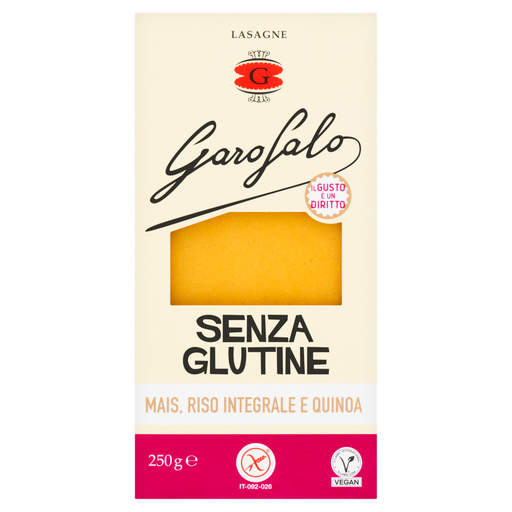
Why This Fits Their Persona: A practical option for making gluten-free lasagne at home, particularly when planning meals for a mixed-diet household.
The listed ingredients identify corn and rice flours rather than wheat, while the gluten-free description is visible before checkout. Always check the physical pack for current allergen information.
250g pack; made with corn, wholegrain rice, rice, potato and quinoa flours; stated fibre content is 7g per 100g.
We have compiled a complete, real-time list of products that fully satisfy these strict selection criteria and UK safety regulations.
It depends on the product format, delivery charges and pack size. Dry pasta and multipacks may offer practical value for regular users, while single instant pots prioritise convenience. Compare the price per 100g or per serving, not just the displayed pack price.
Follow the product label. The supplied jarred sauces above state that they should be refrigerated after opening and consumed within three days. Do not rely on appearance alone and discard products if the seal is damaged or the packaging shows signs of leakage.
Yes, but read the full ingredient and allergen information. Batchelors Cheese & Broccoli Pot is described as suitable for vegetarians but contains milk and wheat. Several Samyang Tangle products are labelled vegan but contain wheat and soy. Gluten-free lasagne uses alternative flours, yet separate ingredients such as the sauce, cheese and stock must also be checked when preparing the complete dish.