
24/7 Customer Support

Free returns

Same-day & Next-day Delivery

Quality Guaranteed

Unlock Your Welcome Offers: FREE Delivery | Up to 80% OFF | Free 30-day JoyPlus trial
Download the APP
Buying pasta online UK shoppers can rely on should be straightforward, but product pages often group everyday dried pasta, instant meals and specialist dietary options together. A low price may hide a small serving size, while a “protein-rich” or “vegan” description does not automatically mean the product suits every dietary requirement.
The practical approach is to compare the pasta type, pack format, ingredients, allergens and preparation method before adding anything to your basket. Whether you need macaroni pasta for a family bake, lasagne sheets for a weekend meal or a quick Korean instant pasta lunch, the label matters more than the front-of-pack wording.
A 100g instant pasta pot and a 500g dried pasta bag serve different purposes. Comparing only the headline price can make a multipack appear expensive or make a single serving look like better value than it is.
Check:
For regular family cooking, pasta multipacks or larger dried bags may be more practical. For work lunches, single pots can reduce preparation and storage needs.
“Vegan”, “protein” and “gluten-free” describe important product features, but you should still read the full ingredient and allergen information. Wheat-based vegan pasta still contains gluten, while products made in facilities handling milk, nuts, sesame or other allergens may carry cross-contact warnings.
If you have an allergy or medically diagnosed intolerance, check the physical packaging before eating. Online information can change when manufacturers update recipes or packaging.
Instant meals are designed for convenience and usually include oils, flavourings and seasoning powders. For example, the listed nutrition for Samyang Tangle Garlic Oil Pasta 100g includes 3.0g salt per 100g, while the product listing for Napolina Plain Lasagne gives salt as less than 0.01g per 100g uncooked.
Neither format is automatically right or wrong. The key is choosing according to the occasion and checking the portion-level nutrition, particularly when buying several packs for regular lunches.
The shape affects how a sauce behaves:
Do not substitute a quick-cook pot for dried pasta in a family recipe without checking the serving size and cooking instructions.
Look for the main flour or grain first. Cornwall Pasta Co. Pasta - Macaroni 500g lists organic wheat and contains wheat and gluten. Garofalo Gluten Free Lasagne 250g uses corn flour, rice flour, potato flour and quinoa flour, and is listed as gluten-free.
For organic vegan pasta, distinguish between:
A plant-based product can still contain wheat, soya or sesame. Always follow the allergen advice supplied with the specific pack.
Dried pasta normally needs a saucepan, boiling water and a cooking time stated on the pack. Instant Korean pasta may require hot water or a microwave, and some big-bowl products use different timings for 700W and 1000W microwaves.
Check that you have:
Keep unopened dried and instant pasta in a cool, dry place away from direct sunlight or heat, following the product label.
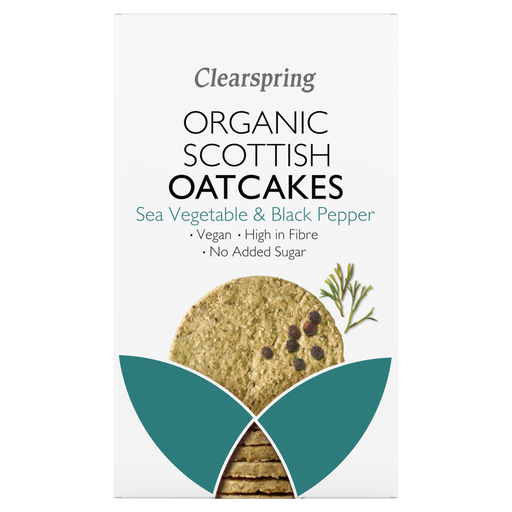
Why This Fits Their Persona: A 500g dried bag is a practical starting point for students, couples and households building a regular cupboard supply.
The stated 500g net weight makes it easier to compare with other everyday pasta bags rather than judging value from a single serving.
Organic wheat is listed as the ingredient; the macaroni shape suits pasta bakes and cheese-based recipes.
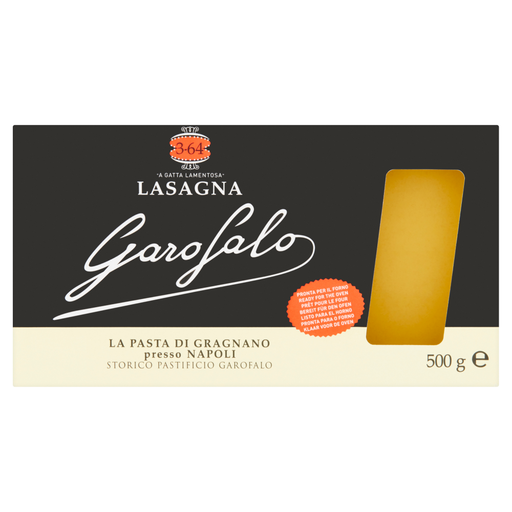
Why This Fits Their Persona: Suitable for home cooks who want a larger lasagne format for layered family meals and planned weekend cooking.
The listing states that the sheets are ready to bake, helping avoid buying a format that requires a separate pre-cooking step.
Made with wheat semolina; the listed nutritional information includes 14g protein per 100g.
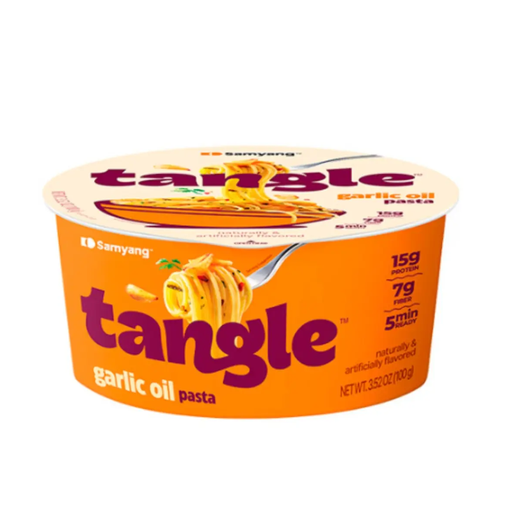
Why This Fits Their Persona: A convenient option for shoppers wanting a plant-based instant meal with a garlic oil flavour and a larger bowl format.
The product is specifically identified as vegan and gives wheat and soya bean allergen information, rather than relying only on flavour wording.
Lists pea protein isolate in the pasta; provides 13g protein and 442kcal per 100g according to the product information.
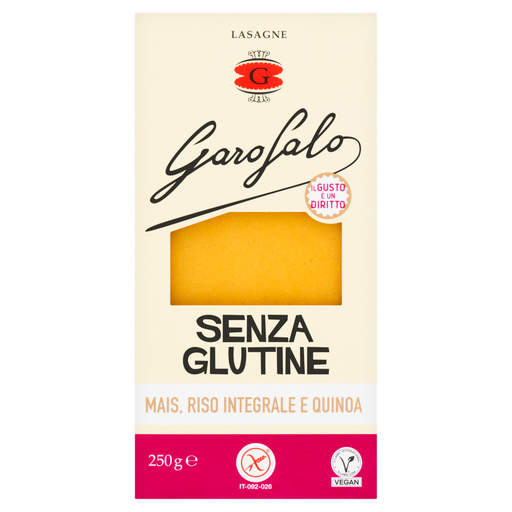
Why This Fits Their Persona: Designed for shoppers specifically seeking gluten-free lasagne for a layered home-cooked meal.
Its listed ingredients use corn and rice flours rather than wheat semolina, helping shoppers distinguish it from standard lasagne sheets.
Contains corn flour, rice flour, potato flour and quinoa flour; the pack size is 250g.
We have compiled a complete, real-time list of products that fully satisfy these strict selection criteria and UK safety regulations.
For familiar flavours, look for tomato pasta, garlic oil pasta or mushroom cream pasta in single portions and multipacks. Instant Korean pasta can provide stronger seasoning and distinctive sauces, but compare salt and saturated fat values before buying a case.
For traditional cooking, Napolina Fusilli 500g lists 100% durum wheat semolina and provides a versatile shape for sauces, salads and baked dishes. Plain lasagne sheets, such as Napolina Plain Lasagne 375g, may suit shoppers who prefer a conventional wheat-based option.
If you want to reduce repeat orders, compare pasta multipacks with individual packs. A case of six or 20 can work for shared households, but check storage space, dates and whether everyone enjoys the selected flavour.
Check the net weight, ingredients, allergens, nutrition, preparation instructions and storage guidance. For dietary products, confirm the wording on the physical packaging when it arrives, especially if you have an allergy or intolerance.
Usually, dried pasta offers more food per pack, while instant pasta includes convenience, seasoning and portion control. Compare the price per 100g and consider whether you are paying for a five-minute preparation format rather than just the pasta itself.
Follow the best-before date and keep the unopened pack in a cool, dry cupboard. Once opened, reseal it where possible and check the manufacturer’s storage instructions. Discard any pack that is damaged, damp or contaminated.