
24/7 Customer Support

Free returns

Same-day & Next-day Delivery

Quality Guaranteed

Unlock Your Welcome Offers: FREE Delivery | Up to 80% OFF | Free 30-day JoyPlus trial
Download the APP
From a quick weeknight supper to a show-stopping dinner party dish, a well-stocked cupboard of dried pasta and noodles is a cornerstone of any British kitchen. Yet, when you go to buy pasta online, the sheer variety can be overwhelming. It's easy to fall for marketing hype or simply grab the wrong type for your intended meal, leading to a disappointing dinner. As your Joybuy Product Recommendation Officer, my role is to help you navigate the choices and find the right product for your needs, without the fuss.
Before you fill your basket, let's look at a few common pitfalls that can lead to wasted money and culinary let-downs:
To ensure you get the right product every time, focus on these core parameters. They are the true indicators of quality and suitability for your cooking.
The single most important factor for traditional pasta is the flour. As mentioned, 100% Durum Wheat Semolina is the standard for quality Italian pasta, from well-known brands like Barilla pasta and Napolina pasta to supermarket own-brands. It's high in protein and gluten, which helps the pasta hold its shape during cooking and achieve that satisfyingly firm texture.
For those seeking more dietary fibre, wholewheat pasta is an excellent alternative. It's made from the entire wheat grain, giving it a nuttier flavour and a denser texture.
Beyond wheat, the world of Asian noodles and gluten-free noodles offers fantastic variety. Sweet potato starch is used to make the chewy, translucent noodles for Korean Japchae, while rice flour is the base for many vermicelli and flat noodles used across Southeast Asia. Always check the ingredients to ensure you're getting what you expect.
Choosing the right shape is about more than just aesthetics; it's about engineering a perfect bite. Here’s a simple guide:
To make your choice easier, here are a few recommendations from our range, matched to different household needs and cooking styles.

Why This Fits Their Persona: This is a reliable, affordable pantry staple for busy UK families. The fusilli shape is incredibly versatile, perfect for making a quick pasta bake, stirring through a simple tomato sauce or creating a cold pasta salad for lunchboxes.
It delivers on the most important factor without a premium price tag. It's made from 100% Durum Wheat Semolina, ensuring a good texture without you having to pay extra for marketing buzzwords.
Excellent value for a quality ingredient. The twisted shape is a family favourite that holds sauces well, making meals less messy for little ones.
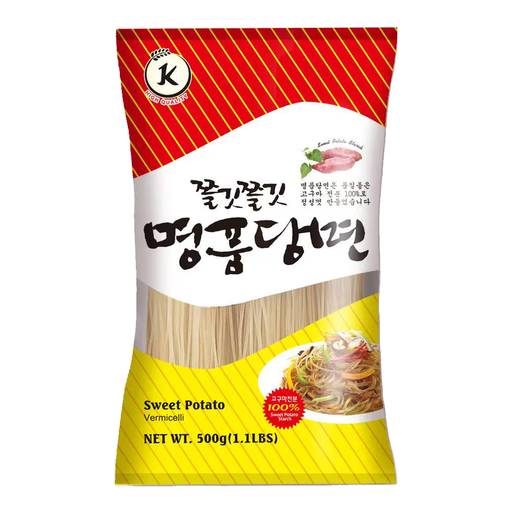
Why This Fits Their Persona: For anyone avoiding gluten or exploring authentic Asian noodles, these 'glass noodles' are a game-changer. They are the traditional choice for the Korean stir-fry dish, Japchae and are also fantastic in soups and hot pots.
This product's value is clear and based on its core ingredient. It is naturally gluten-free, made simply from sweet potato starch, offering a specific dietary solution without confusing claims.
A unique, satisfyingly chewy texture that is completely different from wheat pasta. It absorbs the flavour of sauces and broths beautifully while remaining fat-free and sugar-free.
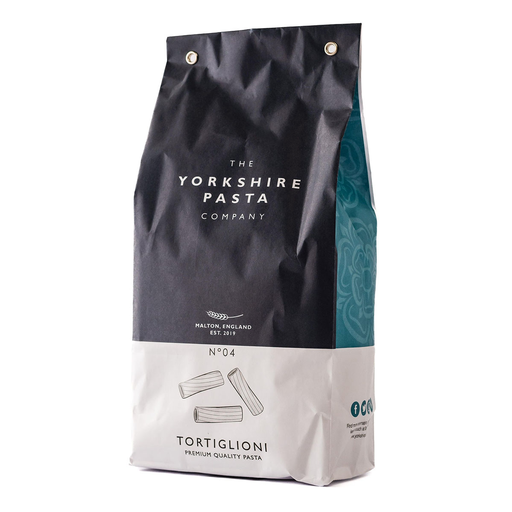
Why This Fits Their Persona: For the home cook who appreciates the finer details, this artisan pasta UK product delivers. It's for those special meals where the pasta itself is a key ingredient, not just a carrier for sauce. The deep grooves are perfect for a rich, slow-cooked meat or vegetable ragu.
It justifies its premium positioning with verifiable production methods. It is bronze-drawn for a porous surface and slow-dried for a more developed flavour, features that directly impact the final dish.
Exceptional "sauce cling" thanks to its rough texture and deep ridges. It's also made with locally milled British wheat and packed in recyclable paper, appealing to those who value provenance and sustainability.
We have compiled a complete, real-time list of products that fully satisfy these strict selection criteria and UK safety regulations.
'Al dente' is an Italian term that translates to "to the tooth." It describes pasta that is cooked until it is firm but not hard. It should have a slight bite or resistance when you chew it, rather than being completely soft. To achieve this, start testing the pasta about two minutes before the time suggested on the packet. Fish out a single piece, let it cool for a second and bite into it. It should be tender but with a firm, white-ish core at the very centre.
A good general guideline for a main course is 75-100 grams of dried pasta per person. For long shapes like spaghetti, you can use a 1-pound coin as a rough measure for a single portion – the diameter of the bunch of uncooked pasta should be about the same as the coin. For smaller shapes like penne or fusilli, 75g is approximately one cup.
While you can substitute in a pinch, the results will be quite different. Italian pasta is designed to be firm, whereas many Asian noodles are softer or have a distinct chewiness (like sweet potato vermicelli) or are made from rice flour for a lighter texture. For the most authentic flavour and texture in dishes like ramen, pho or pad thai, it's always better to use the specific type of Asian noodles the recipe calls for.