
24/7 Customer Support

Free returns

Same-day & Next-day Delivery

Quality Guaranteed

Unlock Your Welcome Offers: FREE Delivery | Up to 80% OFF | Free 30-day JoyPlus trial
Download the APP
As a Joybuy Product Recommendation Officer, my role is to help you navigate the increasingly diverse market of unique beverages. The rising popularity of plum wine in the UK is exciting, but it also brings a wave of confusing marketing and products that can lead to a disappointing purchase. Many find themselves with a bottle that's either cloyingly sweet or lacks the authentic fruit character they were hoping for.
This guide cuts through the clutter, focusing on the common pitfalls and the key details to check before you buy. We will look at what truly defines a quality plum liqueur and help you find a bottle that genuinely suits your taste, whether you plan to sip it neat, enjoy it with a meal or mix it into a cocktail.
Before you add a bottle to your basket, be aware of these frequent issues that can lead to buyer's remorse:
To ensure you're getting a product you'll enjoy, focus on these three non-negotiable factors.
First, it's important to understand what you're actually buying. Most of the celebrated beverages from East Asia, such as Japanese umeshu, are technically fruit liqueurs, not wines. This means they are produced by steeping whole, unripe plums in a distilled spirit (like shochu, brandy or a neutral grain spirit) along with sugar. This process extracts the fruit's deep, nuanced flavour.
Always check the description to see if it mentions steeping real fruit, as this is the hallmark of an authentic plum liqueur.
The specific type of plum and the alcohol used are the two most significant factors influencing the final taste. High-quality producers will often specify the origin of their plums, such as Kishu Nanko plums from Japan, which are prized for their plumpness and flavour. The base spirit also plays a crucial role—a neutral spirit allows the plum to be the star, while a more characterful spirit like sorghum or brandy will add its own complex notes to the final product.
A quick scan of the ingredients list can tell you a lot. Look for products that use sugar rather than high-fructose corn syrup. The latter is often a sign of a lower-quality, mass-produced beverage.
The ABV is also a practical indicator of the drink's style. Most plum liqueurs fall between 10% and 15%. Those at the lower end are often lighter and more suited for casual sipping, while those at the higher end can have a richer body and stand up better in cocktails.
Instead of providing a generic list, we've matched a few noteworthy options to different preferences and uses, helping you find the right fit for your occasion.
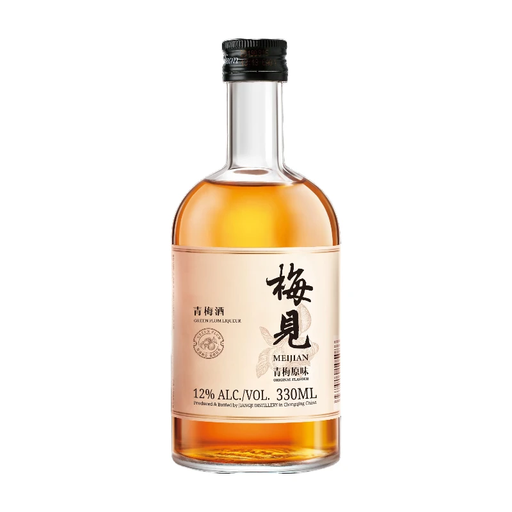
Why This Fits Their Persona: Perfect for those new to fruit liqueurs who want to try an authentic product without committing to a large bottle. It's an accessible introduction to the world of Chinese plum liqueur.
This is a genuine liqueur made with green plums and a white spirit base, avoiding the "plum flavour" deception. Its ingredients list white sugar, not corn syrup, steering clear of the "sugar overload" pitfall.
The 330ml trial size is ideal for first-time buyers. It has a well-balanced sweet-and-sour profile at 12% ABV, making it very approachable.
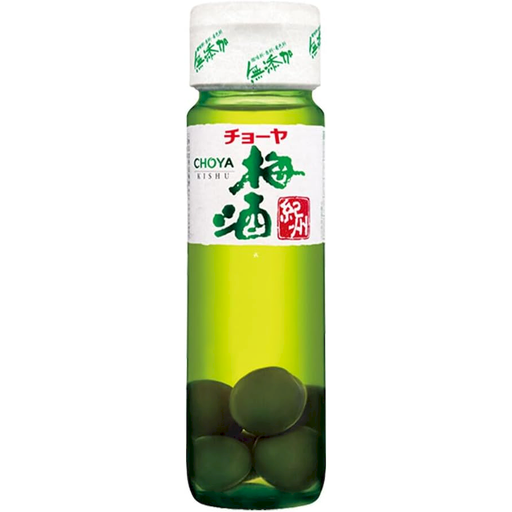
Why This Fits Their Persona: For the discerning drinker who values heritage and wants a premium, traditional Japanese umeshu experience for sipping neat or on the rocks.
This product directly counters the "authenticity trap" by specifying it is a premium Japanese umeshu made with handpicked ume plums. It also avoids the "sugar overload" by highlighting a natural sweetness derived from the fruit.
Its focus on authentic Japanese craftsmanship and premium ingredients results in a sophisticated, well-balanced flavour profile ideal for sipping.
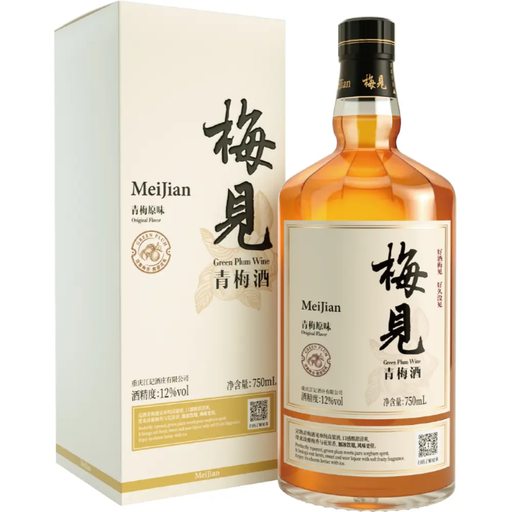
Why This Fits Their Persona: For those who enjoy hosting and creating cocktails. This larger 750ml bottle provides a versatile and authentic base for a wide range of mixed drinks, perfect for sharing at social gatherings.
By being a genuine liqueur made from high-altitude green plums, it provides an authentic, flavourful base for cocktails that a simple "plum-flavoured" product could never achieve. Its balanced profile prevents it from overpowering other ingredients.
The full-size 750ml bottle is excellent value for entertaining. Its versatility is a key strength, adapting well to simple mixers like soda or tonic or more complex cocktail recipes.
We have compiled a complete, real-time list of products that fully satisfy these strict selection criteria and UK safety regulations.
1. What is the proper way to serve plum wine? There is no single "proper" way, which is part of its appeal. For a pure experience, serve it chilled or on the rocks in a small glass. For a longer, refreshing drink, mix it with soda water or tonic for a "plum sour" or "umeshu soda." It also works wonderfully as a substitute for sweet vermouth in cocktails like a Negroni.
2. How long does plum wine last once opened? Because it is a liqueur with a higher alcohol and sugar content than table wine, it lasts much longer. Once opened, it should be stored in the refrigerator. While it won't "spoil" quickly, its vibrant fruit aromas will start to fade over time. For the freshest taste, it's advisable to consume it within one to two months of opening.
3. What foods can I pair with plum wine? Its sweet and tart profile makes it a surprisingly versatile food companion. It pairs beautifully with a wide range of East Asian cuisines, from sushi and sashimi to spicy Szechuan dishes, as its sweetness can help balance the heat. It also works well as a dessert wine, complementing fruit tarts, cheesecakes or even a simple cheese board with creamy cheeses.