
24/7 Customer Support

Free returns

Same-day & Next-day Delivery

Quality Guaranteed

Unlock Your Welcome Offers: FREE Delivery | Up to 80% OFF | Free 30-day JoyPlus trial
Download the APP
Buying pork online offers incredible convenience and access to a wider variety of cuts than most local supermarkets. However, the digital marketplace can be tricky to navigate. From confusing cut names to vague quality claims, it is easy to end up with a product that doesn't suit your recipe. As a Joybuy Product Recommendation Officer, my role is to help you sidestep these common issues and choose the right pork for your kitchen with confidence.
This guide will break down what really matters when you buy pork online in the UK, ensuring your next Sunday roast, midweek stir-fry or weekend barbecue is a success.
Before adding anything to your basket, be aware of these frequent traps that can lead to disappointment and wasted money.
To ensure you get exactly what you need, focus on these three key parameters.
Understanding the cut is the single most important factor. Different muscles do different amounts of work, which determines their texture and ideal cooking method.
Fat equals flavour and moisture. The fine threads of intramuscular fat, known as marbling, melt during cooking, basting the meat from within.
One of the main benefits of buying pork online is convenience. Look for preparation that saves you time and packaging that preserves quality.
Here are a few selections that align with different cooking needs, chosen to help you avoid the common pitfalls.
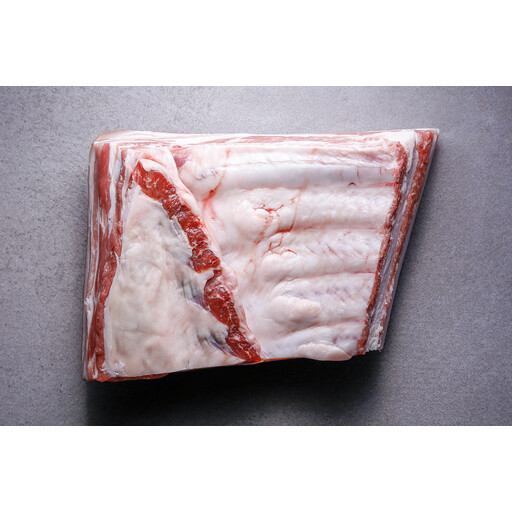
Why This Fits Their Persona: This is for the home cook dedicated to creating a classic British roast. The high-welfare British free-range pork, complete with bone-in and scored skin-on, is specifically prepared for achieving succulent meat and perfect, crispy crackling.
It counters vague origin claims with clear provenance. The description specifies it's from Hampshire cross Duroc pigs reared outdoors on British farms, providing transparency on welfare.
Skin is pre-scored for convenience, saving a difficult preparation step. The bone-in cut adds significant flavour during the slow-roasting process.
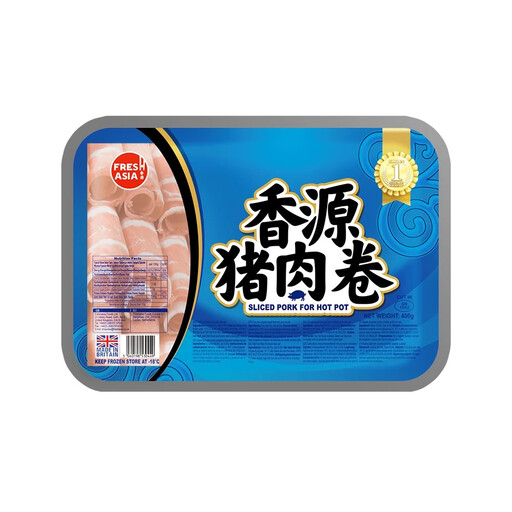
Why This Fits Their Persona: This is for someone making authentic Asian dishes like shabu-shabu or a quick pork stir-fry. The pork is sliced paper-thin, a texture that is difficult to achieve at home and essential for dishes where the meat must cook in seconds.
It completely avoids the "versatile cut" illusion. This is not a generic cut; it is specifically prepared as pork for hot pot, ensuring the correct thickness and texture for its intended use.
Offers maximum convenience by eliminating prep time. The frozen format allows it to be stored and used as needed for quick, authentic meals.
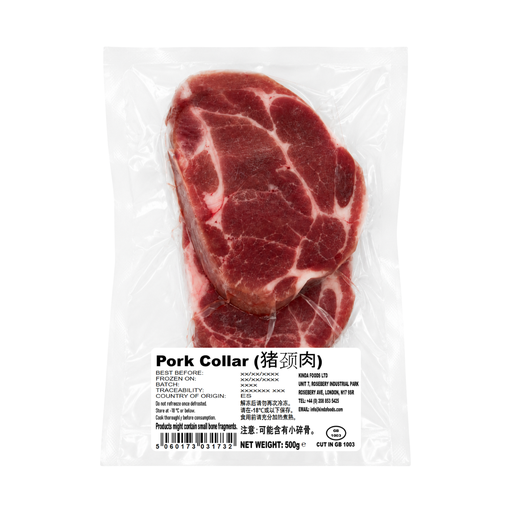
Why This Fits Their Persona: This is for someone who needs a reliable, flavourful cut for quick midweek meals. Pork collar is more forgiving than lean loin or fillet, and its natural marbling ensures a juicy result whether it's pan-fried as a pork collar steak or sliced for a stir-fry.
It addresses the "fresh vs. frozen" myth. Being professionally frozen, it's a dependable freezer staple that retains its quality, ready for a quick defrost and cook without a last-minute trip to the shops.
Highly versatile for grilling, pan-frying or slicing. The balanced fat-to-meat ratio makes it difficult to overcook, ensuring a tender result even on a busy night.
We have compiled a complete, real-time list of products that fully satisfy these strict selection criteria and UK safety regulations.
Professionally blast-frozen pork can be of exceptionally high quality. The rapid freezing process creates very small ice crystals, which minimises damage to the meat's cellular structure. This helps preserve its texture, flavour and nutritional value, often better than "fresh" meat that has been transported and stored for several days. The key is the quality of the pork before it was frozen.
Pork fillet (or tenderloin) is a long, thin muscle that is very lean and tender. It's ideal for quick cooking methods like pan-searing or stir-frying but can dry out if overcooked. Pork collar (also known as pork neck) comes from the shoulder area and has much more marbling. This makes it incredibly juicy and flavourful, and it's more forgiving to cook. It can be roasted whole, cut into steaks for grilling or sliced for stir-fries.
The secret to great crackling is removing as much moisture as possible from the skin. After patting the skin completely dry with paper towels, score it with a sharp knife, being careful not to cut into the meat. Rub it generously with salt and a little oil. If you have time, leaving it uncovered in the refrigerator for a few hours (or overnight) will dry the skin out further. Finally, start it in a hot oven to give the skin an initial blast of heat before lowering the temperature to cook the meat through.