
24/7 Customer Support

Free returns

Same-day & Next-day Delivery

Quality Guaranteed

Unlock Your Welcome Offers: FREE Delivery | Up to 80% OFF | Free 30-day JoyPlus trial
Download the APP
A glass of rich, warming Port wine is one of life’s simple pleasures, perfect for rounding off a meal or sharing with friends. Yet, navigating the world of Port can feel surprisingly complex. With so many styles and labels, it is easy to make a purchasing mistake that leads to disappointment. Many UK shoppers find themselves caught out by common pitfalls, choosing a bottle that doesn't match their taste or occasion.
As the Joybuy Product Recommendation Officer, my role is to help you bypass the confusion. Before you decide to buy port online, let’s look at two frequent missteps that can get in the way of finding the right bottle for you.
By understanding a few core principles, you can confidently select a bottle that delivers exactly what you are looking for, whether it's for a quiet evening, a dinner party or as a thoughtful gift.
The character of a Port wine is defined by how it is aged. Getting to grips with the three main styles is the single most important step in making a smart purchase.
This is the most common and accessible style of Port. Ruby Port is aged for only a few years in large vats, which minimises contact with oxygen and preserves its deep, brilliant red colour and intense, youthful fruit flavours. Think ripe cherries, raspberries and plums. It is bottled ready to drink and offers excellent value, making it a versatile choice for casual enjoyment.
Tawny Port is aged for longer periods in smaller wooden barrels. This increased exposure to wood and air causes the colour to fade to a pale amber-brown or "tawny" shade. The flavour profile evolves away from fresh fruit towards more complex notes of caramel, nuts, figs and spice. Tawnies are often sold with an age statement (e.g., 10, 20 years), indicating the average age of the wines in the blend. They are smooth, mellow and do not require decanting.
An LBV Port offers a bridge between the youthful energy of a Ruby and the complexity of a traditional Vintage Port. Like a Vintage, it is made from the grapes of a single, high-quality year. However, it is aged in cask for four to six years—longer than a Vintage Port—and is then filtered before bottling. This means it is ready to drink upon release, delivering rich, concentrated fruit flavours and a smooth structure without the need for decanting. It is an excellent choice for those seeking a more premium dessert wine experience.
To help you choose, we have matched some reliable options to different needs and occasions. These selections are based on their objective qualities and suitability for specific UK consumer profiles.
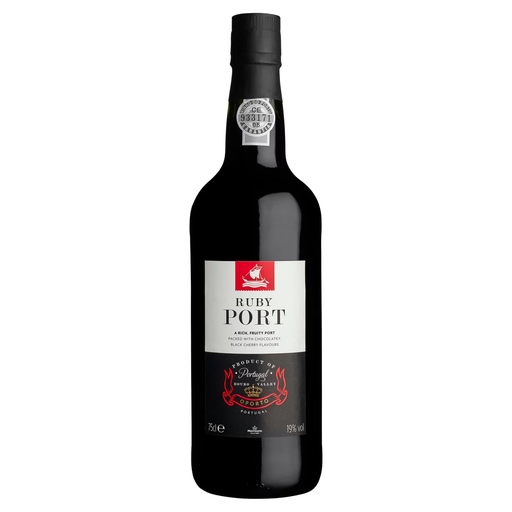
Why This Fits Their Persona: This is a reliable, great-value choice for casual gatherings, an impromptu cheeseboard or a simple after-dinner treat. It is designed for straightforward, consistent enjoyment without any fuss.
It sidesteps the "Vintage Myth" by offering a quality, ready-to-drink Ruby Port that delivers a classic fruity profile without the high cost or complexity of aged styles.
Excellent value for money. A crowd-pleasing, fruit-forward profile that is versatile for pairing or sipping alone.

Why This Fits Their Persona: For those wanting to offer guests something with more depth and character than a standard Ruby. It's a classic choice from a renowned producer, **Taylor's Port**, perfect as a **port for cheese** or chocolate desserts.
This is the ideal solution to the "Style Mismatch" and "Vintage Myth." It provides the complexity of a single-vintage wine but is bottled ready to enjoy, avoiding the need for decanting.
Concentrated, complex fruitiness from a single harvest. Ready to drink on bottling with no decanting required.
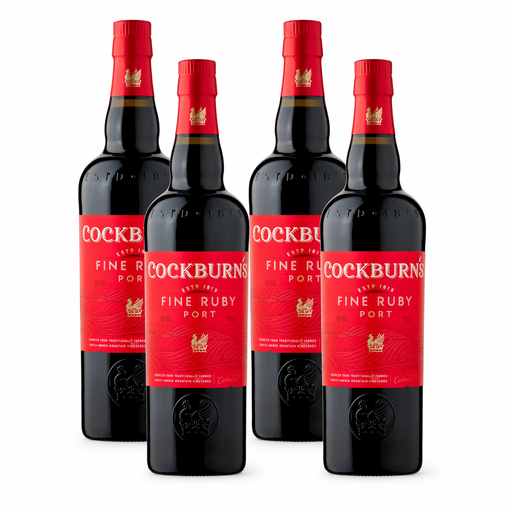
Why This Fits Their Persona: Ideal for stocking up for the festive season, a party or simply ensuring a reliable favourite is always on hand. Buying a case of port offers great convenience and value with fast port wine delivery UK.
This avoids overspending on individual, more complex bottles for a large event. It is a well-known, vibrant Ruby from Cockburn's Port that suits a wide range of palates.
Cost-effective for larger gatherings. A consistently fresh and fruity profile that is ready to drink immediately.
We have compiled a complete, real-time list of products that fully satisfy these strict selection criteria and UK safety regulations.
This depends on the style. A Ruby Port or Late Bottled Vintage Port is best consumed within a week or two of opening to enjoy its vibrant fruit flavours. A Tawny Port, which has already been exposed to oxygen during its long ageing in barrels, is more robust and can last for a month or even longer after opening, provided it is resealed and stored in a cool, dark place.
No, this is a common misconception. The vast majority of Port sold today, including all Ruby, Tawny and LBV styles, are filtered before bottling and do not form sediment. They are ready to be poured and enjoyed straight from the bottle. Only traditional, unfiltered Vintage Port requires decanting.
The primary difference lies in the ageing process. Ruby Port is aged for a short time in large vats to retain its deep red colour and bold, fruity character. Tawny Port is aged for an extended period in smaller wooden barrels, which allows for gradual oxidation. This process softens the wine, changes its colour to a tawny brown, and develops complex flavours of nuts, caramel and dried fruit.