
24/7 Customer Support

Free returns

Same-day & Next-day Delivery

Quality Guaranteed

Unlock Your Welcome Offers: FREE Delivery | Up to 80% OFF | Free 30-day JoyPlus trial
Download the APP
Buying Italian sparkling wine online should be straightforward, but attractive labels and vague descriptions can make comparison difficult. Whether you need a bottle for brunch, a dinner party, a wedding toast or a Prosecco gift, the right choice depends on more than appearance or brand familiarity.
This guide explains the details worth checking before you buy Prosecco online in the UK, including sweetness, bottle size, DOC classification, alcohol units and whether an individual bottle or case deal better suits your occasion.
The wording on sparkling wine labels can be counter-intuitive. Under European wine terminology, Brut Prosecco is generally drier than Extra Dry Prosecco. Extra Dry styles contain more residual sugar and usually have a rounder, softer taste.
If you prefer a clean, crisp finish with less perceived sweetness, Brut may suit you more closely. For guests who prefer a softer fruit profile, Extra Dry can be a more accommodating option.
A textured or distinctive bottle can make an appealing Prosecco gift, but the packaging does not tell you everything about the wine. Before purchasing, check the grape variety, origin, style, alcohol content and serving guidance. A decorative bottle may suit gifting, while a simple 75cl bottle could offer better practicality for a meal or casual gathering.
A Prosecco case deal can reduce the cost per bottle, but only if you have a suitable occasion or enough storage space. Sparkling wine should be kept away from direct sunlight and heat. Check how many bottles are included, the bottle size and whether the style is likely to suit everyone attending.
For occasional drinking, one or two bottles may be more sensible. For birthdays, festive entertaining or a larger event, a case can simplify shopping and reduce the risk of running short.
Prosecco DOC indicates that the wine follows the rules of the recognised Denominazione di Origine Controllata area. Prosecco is associated with north-eastern Italy, particularly Veneto and Friuli-Venezia Giulia. Some bottles specify Treviso, a recognised area within the wider DOC zone.
DOC is useful when comparing Italian sparkling wine because it gives you an origin and production framework to check, rather than relying only on front-label imagery. It does not mean every bottle will taste the same, so also review the sweetness level and grape composition.
Traditional Prosecco is primarily made from Glera grapes. Prosecco Rosé may also include Pinot Noir or Pinot Nero, contributing colour and red-fruit notes.
Many Prosecco wines use the Charmat method, where the second fermentation takes place in stainless-steel tanks. This approach is associated with fresh, fruity flavours and lively bubbles. Product descriptions may also refer to “perlage”, meaning the stream and texture of bubbles in the glass.
A standard Prosecco 75cl bottle usually provides around six 125ml glasses, depending on pouring size. Alcohol levels vary: the products listed here range from approximately 10.5% to 12% ABV.
Always check the stated units before ordering. For example, an 11% ABV 75cl bottle contains roughly 8.25 units, while a 12% bottle contains about 9 units. UK Chief Medical Officers advise adults not to regularly exceed 14 units per week. Alcohol is for adults aged 18 and over; drink responsibly, and avoid alcohol during pregnancy.
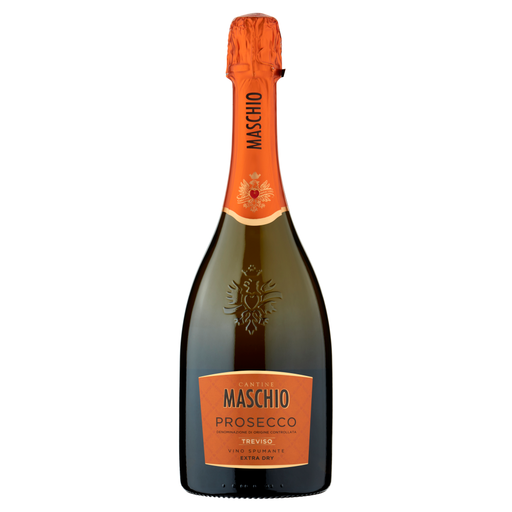
Why This Fits Their Persona: A practical 75cl bottle for first-time buyers, casual hosting and shoppers looking for an affordable Prosecco with a softer, fruit-led profile.
The listing identifies it as Prosecco DOC Treviso, 100% Glera and Extra Dry, making the expected style clearer than relying on label design alone.
100% Glera; 75cl format; notes of green apple and pear; suitable for aperitifs and light meals.

Why This Fits Their Persona: A Champagne option for milestone celebrations, formal gifting or shoppers comparing Prosecco with a more traditional French sparkling wine.
The listing states Champagne, France, 75cl and 12% ABV, so buyers can distinguish it from Italian sparkling wine by protected origin and alcohol content.
75cl bottle; blend of Pinot Noir, Pinot Meunier and Chardonnay; suitable for gifting and celebratory meals.
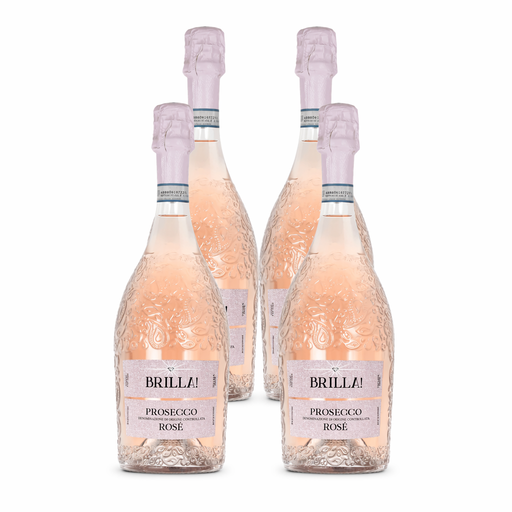
Why This Fits Their Persona: A case format for larger gatherings, repeated entertaining or shoppers who want several bottles of Prosecco Rosé available for guests.
The case listing provides practical details including DOC classification, 11% ABV, 75cl bottle units and chilled serving guidance.
Rosé colour; Glera and Pinot Noir blend stated in the description; suitable for seafood, sushi and light dishes.
We have compiled a complete, real-time list of products that fully satisfy these strict selection criteria and UK safety regulations.
Serve most Prosecco at around 6–8°C. Chill the bottle in a refrigerator before opening and handle the cork carefully, as sparkling wine is stored under pressure. After opening, use a sparkling wine stopper and refrigerate; flavour and fizz are generally more enjoyable soon after opening.
Before placing an order, check the product page for:
A standard sparkling wine delivery may require an adult signature or proof of age. Do not arrange delivery to someone under 18, and never drink and drive.
It often has a lower purchase price, but the final cost depends on the producer, format, promotions and delivery charges. Compare the price per 75cl bottle when reviewing an individual bottle against a Prosecco case deal. Champagne and Prosecco also come from different protected regions and commonly use different production methods, so price alone does not describe the style.
For the freshest bubbles, refrigerate it promptly with a sparkling wine stopper and consume it within one to two days. Leaving it uncorked or at room temperature can cause the carbonation to fade more quickly.
For gifting, consider the recipient’s taste first. A Brut style may suit someone who prefers a drier finish, while Prosecco Rosé offers a pink colour often associated with celebrations. A distinctive bottle such as Brilla or a recognised Champagne 75cl bottle may also provide a more formal presentation, but always check the delivery date and age restrictions before ordering.