
24/7 Customer Support

Free returns

Same-day & Next-day Delivery

Quality Guaranteed

Unlock Your Welcome Offers: FREE Delivery | Up to 80% OFF | Free 30-day JoyPlus trial
Download the APP
Navigating the red wine aisle can feel overwhelming. With labels boasting of prestigious regions, gold-medal stickers and poetic descriptions of "velvety smoothness," it's easy to end up with a bottle that doesn't live up to its promise or its price tag. As the Joybuy Product Recommendation Officer, my role is to help you see past the marketing and make confident choices for your wine rack.
Many of us have been caught out by common purchasing pitfalls. Let's look at a few frequent traps that can lead to disappointment and how to sidestep them.
To consistently buy red wine online or in-store that you'll enjoy, it helps to understand a few key factors beyond the front label. These are the non-negotiable elements that truly define what's in the bottle.
The grape is the single most important factor in a wine's taste profile. For reliable, enjoyable reds, focusing on these popular varieties is a great starting point:
These two elements provide the "backbone" of a wine.
A wine's origin gives clues to its style.
Based on these principles, we've matched some reliable choices to different needs and occasions. These selections focus on delivering consistent quality and value, helping you avoid the common pitfalls.
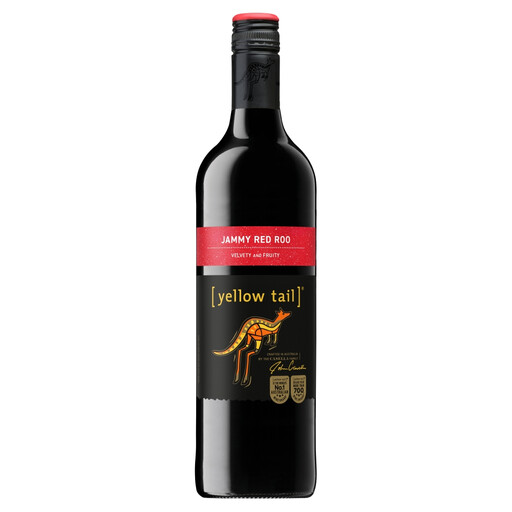
Why This Fits Their Persona: This is for the person who wants a simple, reliable and affordable red to enjoy on the sofa after a long day. It's designed for pure, uncomplicated enjoyment without needing food to balance it.
It sidesteps the "smooth" trap by being completely transparent about its style. The name itself promises a jammy, fruit-forward experience, and it delivers exactly that without pretending to be a complex, fine wine.
Extremely approachable flavour profile with notes of sweet red fruits. Consistent quality from a well-known Australian red wine brand.

Why This Fits Their Persona: Perfect for someone hosting a dinner party or BBQ. They need a crowd-pleasing, food-friendly red that is recognisable and signals good taste without a hefty price tag.
This wine avoids the "prestigious region gamble." Instead of relying on a generic European appellation, it delivers a well-made Cabernet Sauvignon from a specific, reliable region (Chile's Central Valley) under a trusted brand name.
A globally recognised brand that guests will know and appreciate. Its full-bodied profile with cassis and black cherry notes pairs excellently with red meats and hearty dishes.
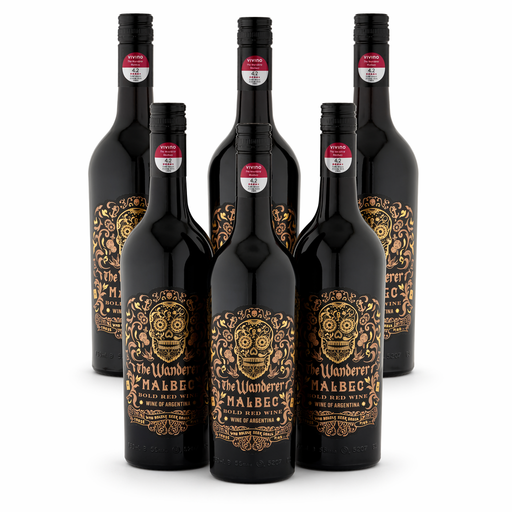
Why This Fits Their Persona: This shopper prioritises value and convenience. They want to buy red wine online and get a great red wine case deal, ensuring they always have a quality, versatile bottle ready for any occasion.
This deal avoids the "award sticker" trap by focusing on tangible value. The saving comes from the bulk purchase, not from an inflated single-bottle price justified by a sticker. The quality is inherent in the popular, fruit-forward style of a Mendoza Malbec.
Excellent value-for-money on a per-bottle basis. Stocking up on a popular and food-friendly grape like Argentinian Malbec is a smart, practical choice for any household.
We have compiled a complete, real-time list of products that fully satisfy these strict selection criteria and UK safety regulations.
For most everyday red wines intended for drinking within a year or two, storage is simple. Keep them in a cool, dark place with a stable temperature, such as a cupboard away from radiators, ovens or direct sunlight. If the bottle has a natural cork, storing it on its side is ideal to keep the cork from drying out. Once opened, reseal the bottle and place it in the fridge; it should remain fresh for 2-3 days.
Not necessarily. While very expensive wines are priced that way for reasons of rarity, ageing potential and production costs, there is no direct correlation between price and enjoyment in the everyday drinking category. Many affordable wines, particularly from New World countries like Chile and Australia, offer fantastic quality and consistency. The key is to find a style and producer you trust, rather than simply equating a higher price with better taste.
An 'easy drinking' or 'smooth red wine' refers to a wine with a specific set of characteristics that make it highly approachable. These typically include: