
24/7 Customer Support

Free returns

Same-day & Next-day Delivery

Quality Guaranteed

Unlock Your Welcome Offers: FREE Delivery | Up to 80% OFF | Free 30-day JoyPlus trial
Download the APP
Navigating the world of red wine can feel overwhelming. With endless grape varieties, regions and marketing claims, it's easy to end up with a bottle that doesn't quite hit the mark. As the Joybuy Product Recommendation Officer, my role is to help you sidestep the common pitfalls and find a red wine that genuinely suits your taste, occasion and budget. This guide cuts through the clutter, focusing on practical advice for your next purchase.
Before we explore what to look for, let's highlight a few common traps that lead to disappointment. A little awareness here can save you both money and frustration.
Merlot or a bold Shiraz. While these are excellent grapes, staying in this comfort zone means you could be missing out on fantastic value and flavour from other varieties like a Spanish Tempranillo or a vibrant Italian red wine.full-bodied red wine like a Cabernet Sauvignon for a delicate chicken dish can overwhelm the meal, while a light-bodied Pinot Noir might get lost next to a rich, hearty stew.To make a confident choice, focus on a few core characteristics rather than just the price or label design. Understanding these will help you find a smooth red wine for a quiet evening or the perfect red wine for steak.
These two terms are crucial for understanding how a wine feels in your mouth.
Pinot Noir) feels delicate and silky, similar to skimmed milk. A medium-bodied red (like Merlot or Rioja red wine) has more presence, like semi-skimmed milk. A full-bodied red wine (such as Malbec or Shiraz) feels rich and heavy, more like whole milk.Cabernet Sauvignon can feel astringent on their own but are brilliant with fatty foods like steak, as the fat softens the tannins. Wines with lower tannins are often described as a smooth red wine and are great for sipping without food.The grape and its origin are the biggest indicators of a wine's flavour profile. Here’s a quick reference:
Malbec is typically a full-bodied red wine with dark fruit flavours like plum and blackberry. It's a classic red wine for steak.easy drinking red wine with flavours of cherry and chocolate. It's versatile and a great starting point for those new to red wine.French red wine blends from Bordeaux.Shiraz is typically rich and fruity, while French Syrah (from the Rh?ne valley) can be more savoury with notes of black pepper and olive.Instead of a generic list, we've matched some excellent options to specific needs and preferences, helping you find the right bottle for the right occasion.
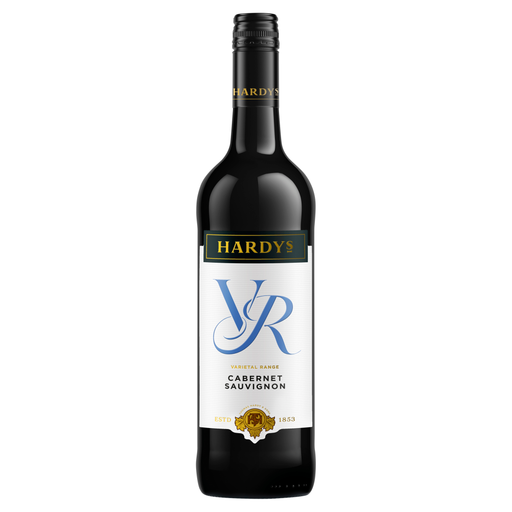
Why This Fits Their Persona: This is for the person who wants a reliable, no-fuss red for a Tuesday night spaghetti bolognese or a Friday pizza. It's designed for everyday home use, offering consistency without needing a special occasion.
It sidesteps the "fancy label" trap by focusing on dependable quality over flashy marketing. It's an approachable Cabernet Sauvignon that delivers consistent flavour without a premium price tag.
Its main advantage is its reliability and versatility. It's a straightforward, medium-bodied red that pairs well with a wide range of everyday meals.
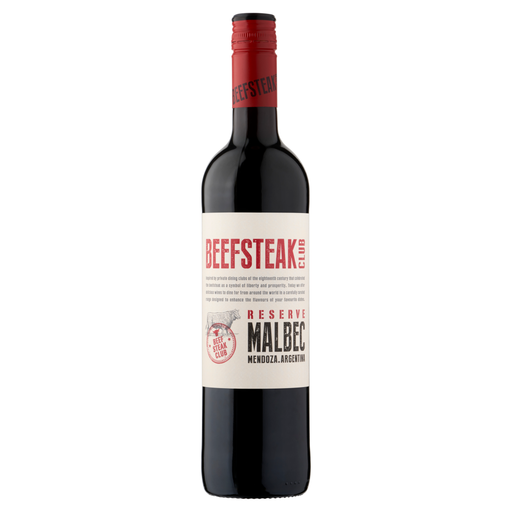
Why This Fits Their Persona: This is for the person who takes their steak seriously and wants the perfect wine to match. This Argentine Malbec is purpose-built for grilled and roasted red meats, with the structure to stand up to rich flavours.
It directly solves the "pairing mismatch" problem. The wine's profile—full-bodied with ripe black fruit and soft tannins—is a classic and reliable match for steak, ensuring a successful dining experience.
Its key advantage is its focused purpose. The balance of rich fruit and structure makes it an ideal partner for red meat, but it's also smooth enough to pair with mature hard cheeses.
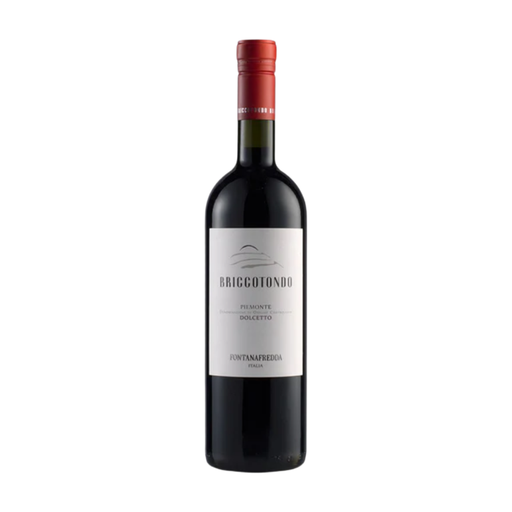
Why This Fits Their Persona: For the drinker who is tired of the same old Merlot and wants to try something new. This `Italian red wine` from Piedmont is made from the Dolcetto grape, offering a different profile with aromas of blackberry, plum and a smooth, approachable palate.
This wine is the perfect antidote to the "grape variety rut." It encourages exploration beyond the most common international grapes, introducing a classic Italian variety that offers great character and food-pairing versatility.
Its key advantage is its unique character combined with accessibility. The moderate tannins and fresh acidity make it incredibly versatile with food, from grilled meats to mushroom risotto.
We have compiled a complete, real-time list of products that fully satisfy these strict selection criteria and UK safety regulations.
Once opened, a bottle of red wine should be consumed within 3 to 5 days. To preserve it, you should reseal it tightly with a stopper and store it in a cool, dark place—a wine fridge or even your regular kitchen fridge is fine. Lighter-bodied wines like Pinot Noir tend to lose their freshness more quickly than full-bodied wines with higher tannin levels.
The idea of "room temperature" is a bit outdated, stemming from a time when homes were much cooler. Serving a red wine too warm (above 20°C) can make the alcohol taste more prominent and mask the fruit flavours. For most red wines, the ideal serving temperature is slightly cool, between 16-18°C. Popping the bottle in the fridge for 15 minutes before serving can make a big difference.
If you're looking for an easy drinking red wine that is smooth and not too challenging, a great place to start is with a Merlot. It typically has soft tannins and a rounded, plummy fruit profile. Another excellent option is a Spanish Garnacha (known as Grenache in France), which is often juicy, fruit-forward and low in harsh tannins. Look for descriptions that use words like "smooth," "rounded," or "velvety."