
24/7 Customer Support

Free returns

Same-day & Next-day Delivery

Quality Guaranteed

Unlock Your Welcome Offers: FREE Delivery | Up to 80% OFF | Free 30-day JoyPlus trial
Download the APP
Buying red wine online in the UK should be straightforward, but product pages can make comparison harder than it needs to be. A familiar label, a large bottle or phrases such as “rich” and “smooth” do not necessarily tell you whether the wine suits your meal, storage space or drinking plans.
The practical way to compare bottles is to check grape variety, region, bottle size, alcohol content and serving guidance before focusing on promotional wording. This helps you choose a wine for an evening meal, dinner party, gift or case purchase without paying for features you will not use.
Descriptions such as “velvety”, “luxurious” and “unforgettable” are subjective. Instead, look for specific, user-perceivable details: blackcurrant or plum flavours, oak notes, tannin level, acidity and whether the wine is described as light-, medium- or full-bodied.
A Cabernet Sauvignon, for example, commonly offers dark-fruit flavours and noticeable structure. A bottle described as a smooth red wine may still have firm tannins, particularly when young.
A label marked Australian red wine, Chilean red wine or French Bordeaux wine gives useful context, but it does not describe the complete flavour profile. Climate, vineyard region, grape variety, oak treatment and blending all influence the final style.
For instance, Chilean Cabernet Sauvignon from the Central Valley may offer cassis, black cherry and subtle coffee or chocolate notes. A Bordeaux blend based on Merlot and Cabernet Sauvignon may feel more structured, with black fruit, cedar and oak characteristics.
A standard red wine 75cl bottle contains around six 125ml glasses, although serving sizes vary. A 1.5L bottle contains twice that volume, while a 187ml bottle is useful when you want a single serving without opening a full bottle.
Always check the alcohol units shown on the listing. The UK Chief Medical Officers advise adults not to regularly exceed 14 units per week. Alcohol is for adults aged 18 and over; it should not be consumed during pregnancy, and drinking and driving should be avoided.
Choose the grape according to the meal and your preferred texture:
A full-bodied red wine generally feels richer and more substantial, while a medium-bodied bottle may be easier to serve across a wider range of dishes.
Region is helpful when it is supported by clear product details. Haut-Médoc and Saint-Foy wines from Bordeaux may include traditional grapes such as Cabernet Sauvignon, Merlot and Petit Verdot. Coonawarra and McLaren Vale are Australian regions associated with Cabernet Sauvignon and other warm-climate reds. Ribera del Duero is known for Tempranillo-based wines.
Check whether the listing identifies the country of origin, region, grape composition and alcohol percentage. These facts are more useful for comparison than a long brand story.
Most red wine is best stored in a cool, dark place away from direct sunlight and temperature swings. Follow the product label where it gives specific storage instructions. Serving temperature is also worth checking: many full-bodied reds are suggested around 16–20°C, while some bottles may be described differently.
Do not assume that a larger bottle is automatically better value. Compare the price per litre, the number of guests and how quickly the wine will be consumed after opening. Case deals can reduce the cost per bottle, but only make sense when you already know the style suits your household.

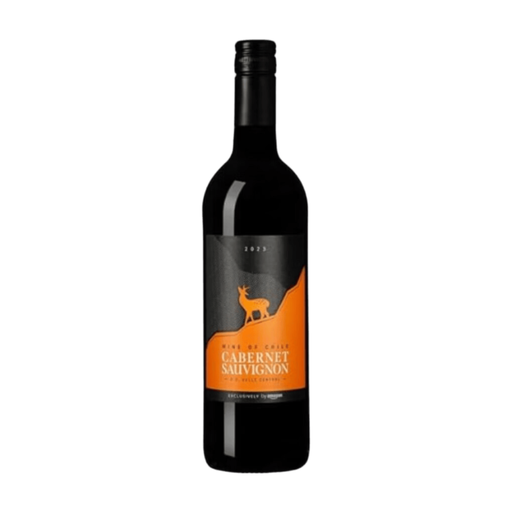
Why This Fits Their Persona: A conventional 75cl format suits casual dinners, shared meals and shoppers comparing a familiar Chilean Cabernet Sauvignon style.
The listing states the 75cl quantity, Central Valley origin, 12.5% ABV and suggested serving temperature, making comparison more practical than relying on promotional wording.
Cassis and black cherry flavours; sulphites are clearly listed as an allergen.
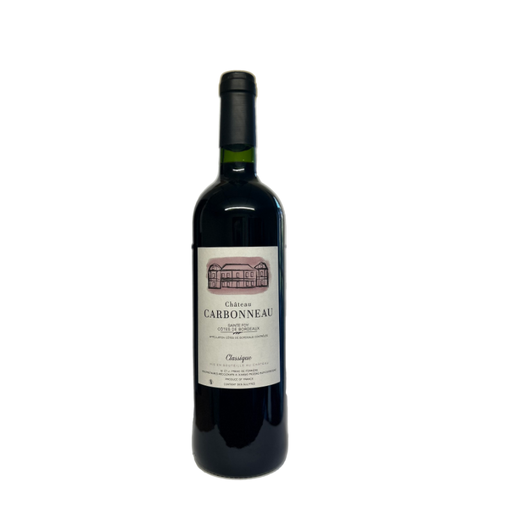
Why This Fits Their Persona: A French Bordeaux-style blend for shoppers seeking regional character and a bottle suitable for a more formal meal or gift.
The product information identifies Merlot and Cabernet Sauvignon, Saint-Foy origin, 14.5% ABV and oak-barrel ageing, giving useful context for its structured style.
Blackberry and blackcurrant notes; pairs with grilled meat, lamb and mature cheese.
Why This Fits Their Persona: The larger format is practical for a dinner party or group meal where several adults will be served.
The listing states the 1.5L size, 13.5% ABV and 20.3 UK units per bottle, helping hosts plan quantities responsibly.
Black cherry, blackcurrant and plum profile; suitable with steak, lamb, spicy dishes and mature cheddar.
We have compiled a complete, real-time list of products that fully satisfy these strict selection criteria and UK safety regulations.
For food pairing red wine, match intensity rather than following rigid rules. Cabernet Sauvignon works with steak, burgers, roast beef and mature cheddar because its fruit and tannins can stand alongside rich flavours. Tempranillo suits grilled meats, stews and tapas-style dishes. A Bordeaux blend can complement lamb, beef bourguignon and hard cheese.
Serve according to the product label. Opening a structured wine 20–30 minutes before serving may allow its aromas to develop, but this is a preference rather than a requirement. If you are buying wine gifts, check the recipient’s usual grape and whether they prefer a 75cl bottle or a practical case format.
Case deals can offer a lower cost per bottle, but compare the total price, bottle size, delivery charge and styles included. A mixed case is useful for variety; a single-wine case is more suitable when you already know the recipient or household prefers that profile.
Follow the product guidance. Many everyday wines are best consumed within a few days after opening, while specific listings may give different instructions. Reseal the bottle, refrigerate it where suitable and allow it to return to serving temperature before drinking.
Choose a 75cl bottle for a small meal and consider a 1.5L format for a larger gathering. Cabernet Sauvignon, Australian red wine and Bordeaux blends are practical choices for red meat, while Spanish Tempranillo can work well with grilled dishes, stews and hard cheese. Check the ABV and units before ordering, and serve only to adults aged 18 and over.