
24/7 Customer Support

Free returns

Same-day & Next-day Delivery

Quality Guaranteed

Unlock Your Welcome Offers: FREE Delivery | Up to 80% OFF | Free 30-day JoyPlus trial
Download the APP
Buying pantry staples online can save time and make it easier to find Asian grains, African rice, pulses and breakfast cereals that may not be available locally. However, pack photos and promotional wording do not always tell you whether a product suits your cooking routine, storage space or dietary needs.
Before you buy rice and grains online in the UK, check more than the price per bag. The right choice depends on the grain type, pack size, preparation time, allergen information and how often you will use it.
Bulk rice bags can offer practical value for larger households, catering and frequent batch cooking. However, a 5kg or 10kg bag needs a cool, dry storage area and an airtight container after opening. If you cook rice occasionally, a smaller 1kg or 400g pack may help reduce waste and make freshness easier to manage.
Always compare the price per kilogram, not just the total price. Also check whether a product is sold as one bag or a multipack.
Basmati rice, short-grain sushi rice, parboiled rice and black rice have different textures and preparation requirements. A long-grain variety intended for pilau may not provide the cohesive texture needed for sushi. Likewise, sticky black rice may require soaking or additional cooking time compared with standard white rice.
Read the cooking instructions and consider the dishes you regularly prepare before ordering.
A product described as a whole grain or cereal may contain gluten, or carry a “may contain” warning. Pearl barley and bulgur wheat are relevant examples: barley contains gluten, while bulgur is made from wheat and may carry a cereals-containing-gluten warning.
For packaged food sold in the UK, review the ingredients, allergen statement, net quantity, storage instructions and best-before information shown on the product page or packaging. “Natural”, “traditional” or “wholesome” wording does not replace checking the label.
Match the grain to the meal:
A 400g to 500g pack is suitable for trying an unfamiliar grain or rotating several varieties. A 1.2kg pack may suit regular family meals, while 5kg and 10kg bags are more practical for frequent cooking, entertaining or professional kitchens.
For cereals, a 1.1kg pack can be convenient for a family breakfast routine, but only if you have enough dry storage and the product will be consumed within its stated shelf-life.
Check whether the grain needs rinsing, soaking or a longer simmer. Some products provide specific guidance, such as soaking barley for two to four hours, soaking sushi rice for 20 to 30 minutes, or soaking millet before cooking.
For healthy whole grains, compare the nutrition panel per 100g and consider fibre, protein, carbohydrate, sugar and salt. Nutrition values may be listed dry or prepared, so confirm which format is being used before comparing products.
Also verify whether the product is suitable for your household. Some options are labelled vegetarian or vegan, while others may contain gelatine, milk warnings, barley or wheat. Raw grains should be cooked according to the packaging instructions and not eaten uncooked.
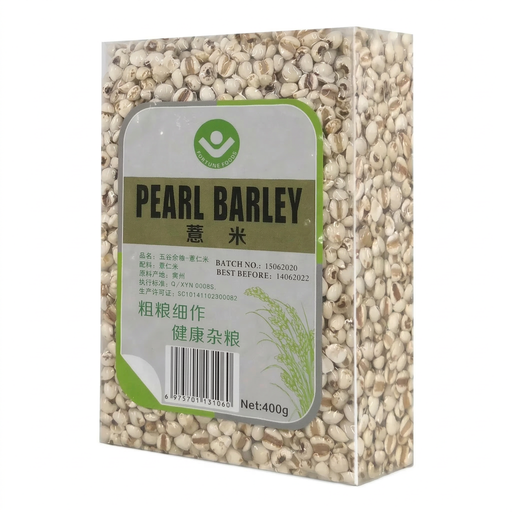
Why This Fits Their Persona: A manageable pack for shoppers trying pearl barley in soups, porridge, sweet soups or stews without committing to a larger bag.
The listed instructions explain rinsing and soaking for two to four hours or overnight, making preparation expectations clear before purchase.
400g net quantity; suitable for soups, congee, porridge and stews; storage guidance is provided.
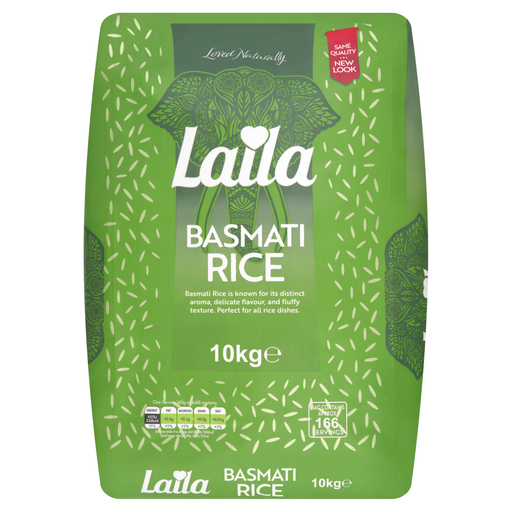
Why This Fits Their Persona: Designed for households, chefs or regular hosts who want a substantial supply of long-grain basmati for pilau, biryani and curry accompaniments.
The listing states that it contains 100% basmati rice and gives clear 10kg quantity and storage instructions, helping buyers assess space and usage.
100% basmati rice; 10kg bulk pack; listed as suitable for vegetarian and vegan diets.
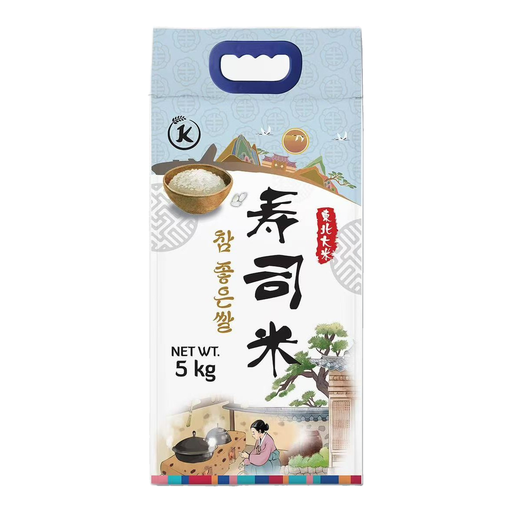
Why This Fits Their Persona: A practical choice for home cooks making sushi, onigiri or Japanese-style meals regularly, as well as catering users.
The product is specifically identified as short-grain rice and includes rinsing, soaking, cooking and resting instructions.
5kg pack; short-grain format; listed cooking method uses a 1:1.1 rice-to-water ratio.
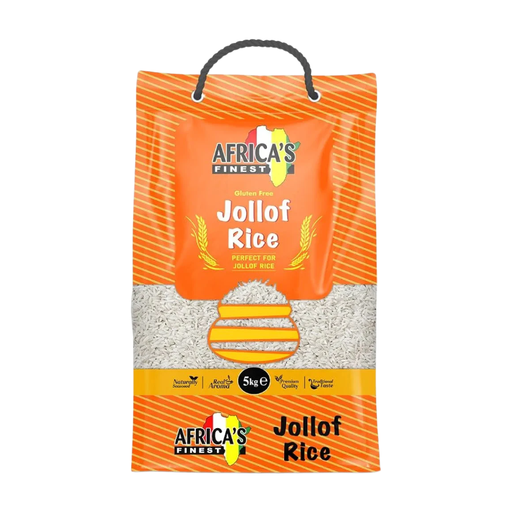
Why This Fits Their Persona: Suits families and cooks preparing jollof dishes, weekly rice meals or larger portions for gatherings.
The listing specifies 100% parboiled basmati rice and a 5kg quantity, rather than leaving the grain type or pack size unclear.
5kg family bag; parboiled basmati rice; designed for jollof-style meals and everyday serving combinations.
We have compiled a complete, real-time list of products that fully meet these strict selection criteria and UK safety regulations.
If you want to expand beyond rice, compare Morrisons White Red & Black Quinoa 300g for a three-colour quinoa blend, Biona Organic Red Split Lentils 500g for soups and curries, or M Pearl Barley 500g for a UK-style pearl barley side dish.
For breakfast, Nestlé Shreddies Original Malted Wheats Breakfast Cereal 1.1kg lists wholegrain wheat, fibre, sugar, salt and allergen information. The product information also notes that the cereal contains barley malt extract and may contain peanuts and nuts, so check suitability carefully.
It can be, particularly for frequently used staples, but compare the price per kilogram and account for storage. A large bag is less practical if it remains open for a long time or cannot be sealed properly. Smaller packs can be more suitable for occasional cooking or trying new cooking grains.
Keep unopened and opened products in a cool, dry place away from direct sunlight and moisture. Once opened, transfer loose grains into a clean airtight container where possible. Follow the packaging instructions and check the best-before date before use.
Basmati rice is a flexible starting point for curries, grilled foods and vegetables. Pearl barley, red split lentils and quinoa are also adaptable, but preparation differs. Start with a smaller pack, read the cooking instructions and choose a grain that matches meals you already make.