
24/7 Customer Support

Free returns

Same-day & Next-day Delivery

Quality Guaranteed

Unlock Your Welcome Offers: FREE Delivery | Up to 80% OFF | Free 30-day JoyPlus trial
Download the APP
From the steaming bowls of Vietnamese pho to the sizzling woks of a classic stir-fry, the world of Asian noodles is wonderfully diverse. Yet, for many UK home cooks, a trip down the noodle aisle—or a browse online—can be confusing. The sheer variety of shapes, sizes and ingredients can lead to disappointing meals, with noodles that turn to mush in soup or clump into a sticky mess in the pan.
As the Joybuy Product Recommendation Officer, my role is to help you navigate these choices. We'll look past the confusing packaging and marketing claims to focus on what truly matters. Let's break down the common pitfalls to avoid when you next buy rice noodles online in the UK, ensuring you get the perfect foundation for your culinary creations.
Many of us have been there: you follow a recipe to the letter, but the final dish lacks that authentic texture. Often, the culprit is the noodle itself. Here are two frequent missteps:
To make the right choice, you need to look at two core parameters: the base ingredient and the noodle's shape.
The starch source is the single most important factor determining a noodle's texture and behaviour when cooked.
Once you know your ingredient, the form factor is your next consideration. It dictates how the noodle interacts with sauces and other ingredients.
To make things simpler, we've matched some excellent noodle options to the cooks who will appreciate them most.
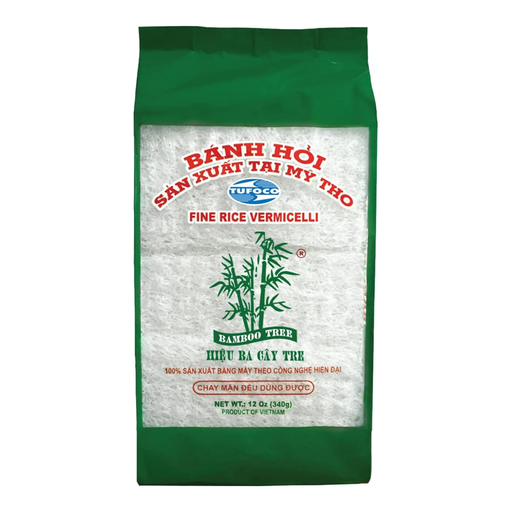
Why This Fits Their Persona: For those dedicated to recreating authentic Vietnamese dishes like Bánh H?i (woven noodle cakes) or fresh summer rolls, this product is ideal. Its ultra-fine texture is specifically designed for these delicate applications.
This avoids the "one-size-fits-all" pitfall by being a specialist noodle. It is not intended for heavy stir-frying, ensuring you get the correct delicate texture for salads and rolls.
The intricate woven bundles are easy to portion and cook in minutes. The ingredients are simple: just rice, water and salt.
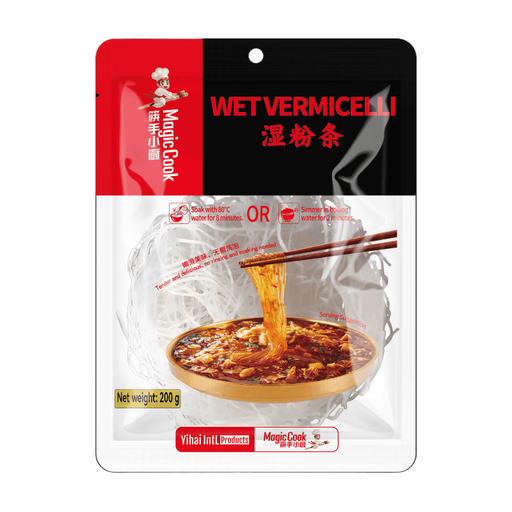
Why This Fits Their Persona: Perfect for anyone who loves communal hot pot nights or making rich, simmering stews. These noodles are designed to withstand prolonged cooking in hot broth without falling apart.
This product directly solves the "mushy noodle" problem. Made from sweet potato starch, it has a naturally chewy and resilient texture, unlike softer rice-based noodles.
These are fresh, pre-packaged noodles, meaning no soaking is required. Just rinse and add directly to your hot pot or soup, saving significant preparation time.
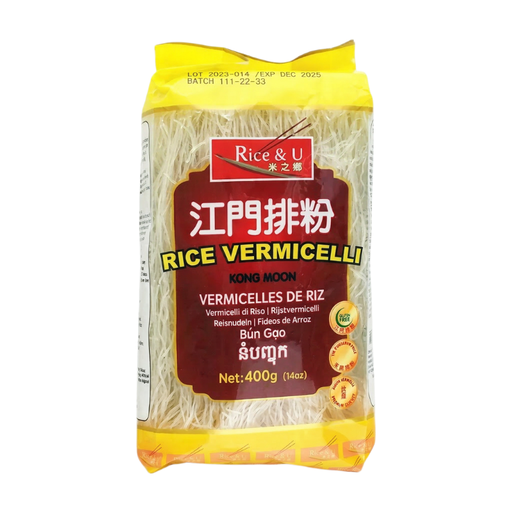
Why This Fits Their Persona: For those who want to whip up a quick and satisfying stir-fry like a classic Beef Chow Fun, these flat rice noodles are the perfect choice. Their shape is designed for high-heat cooking in a wok.
By choosing a noodle shape specifically for stir-frying, you avoid the common error of using thin vermicelli that would break and clump together under the rigour of a hot wok.
These dried flat noodles (He Fen) have a smooth texture that absorbs sauce beautifully, ensuring a flavourful bite every time. They are also versatile enough for soups or cold salads.
We have compiled a complete, real-time list of products that fully satisfy these strict selection criteria and UK safety regulations.
The key is to rinse them under cold running water immediately after boiling and draining. This washes away excess surface starch that causes stickiness. For stir-fries or salads, tossing the rinsed noodles with a teaspoon of neutral oil (like rapeseed or sunflower) creates a barrier that further prevents clumping.
In most cases, yes. Authentic glass noodles are made from starches like mung bean, pea or sweet potato, all of which are naturally free from gluten. However, it is always wise to check the ingredients list on the packaging. Some modern blends or lower-cost versions might occasionally include other starches, so verification is the safest approach for those with coeliac disease or a severe gluten intolerance.
While technically possible, it is not the traditional choice. Authentic Pad Thai is made with flat, wider Asian noodles (often called Pad Thai noodles or Chantaboon). These have the sturdiness and surface area to hold the sauce and withstand vigorous stir-frying. Using thin vermicelli noodles will create a dish with a much softer, more delicate texture and the noodles may break apart easily during cooking.