
24/7 Customer Support

Free returns

Same-day & Next-day Delivery

Quality Guaranteed

Unlock Your Welcome Offers: FREE Delivery | Up to 80% OFF | Free 30-day JoyPlus trial
Download the APP
From a fragrant Vietnamese pho to a sizzling Thai stir-fry, rice noodles are the foundation of countless beloved Asian dishes. Yet, a walk down the supermarket aisle or a search to buy rice noodles online reveals a bewildering variety. Choosing the wrong type can quickly turn an anticipated culinary triumph into a sticky, mushy disappointment. As a Joybuy Product Recommendation Officer, my role is to help you navigate the options and select the right product for your kitchen.
Many home cooks fall into a few common traps. First is the "one-size-fits-all" mistake, where any packet of rice noodles is grabbed for any recipe, leading to poor texture. The second is being misled by vague "quick cook" labels without understanding the crucial difference between soaking and boiling. Finally, many overlook the ingredient list, not realising that small additions like tapioca starch can significantly alter the noodle's final bite and suitability for a dish. Let's demystify these pantry staples so you can cook with confidence.
Before adding a pack to your basket, it's helpful to understand the three key factors that determine the noodle's purpose: its shape, its composition and its preparation method. Getting these right is the secret to recreating authentic textures at home.
The shape and thickness of a rice noodle are not just for appearance; they are engineered for specific culinary roles. Using the wrong one is like trying to use spaghetti in a lasagne.
While all rice noodles are made from rice flour and water, some contain added starches. This is a key detail to check.
Both types are excellent gluten-free noodles, but the texture they deliver is distinct. The choice depends entirely on the mouthfeel you prefer for your final dish.
To help you choose, we've matched some reliable options to common cooking needs and preferences.
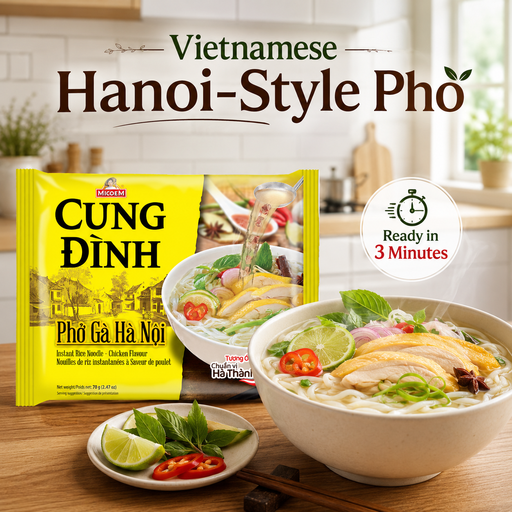
Why This Fits Their Persona: For those needing a quick, warming and flavourful meal without the fuss. This is perfect for a desk lunch or a simple, satisfying dinner after a long day, delivering an authentic Vietnamese noodle soup experience in minutes.
This is an all-in-one packet. The noodles, broth and seasonings are perfectly matched, eliminating any guesswork about noodle type or preparation.
Delivers a savoury Hanoi-style chicken pho flavour in 3-5 minutes. It's a convenient and reliable pantry staple.
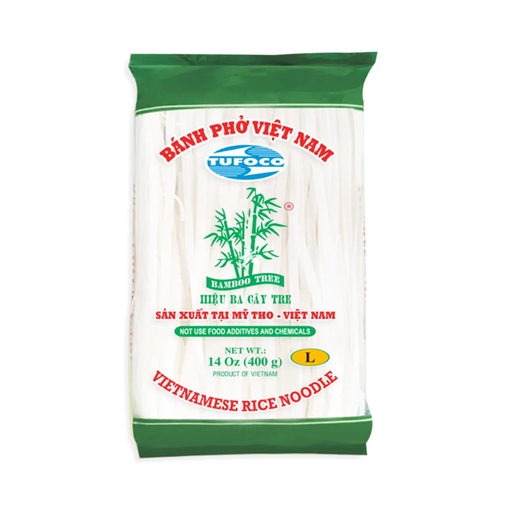
Why This Fits Their Persona: For the home cook dedicated to perfecting dishes like Pad Thai or Pad See Ew. This noodle provides the authentic foundation needed for a restaurant-quality result, with a width that's ideal for holding sauce.
Its 5mm width is specifically suited for stir-frying, preventing the breakage and mushiness that occurs when using overly delicate vermicelli for high-heat cooking.
Made from high-quality rice flour, it offers a pleasantly chewy bite and absorbs flavours beautifully while retaining its shape.
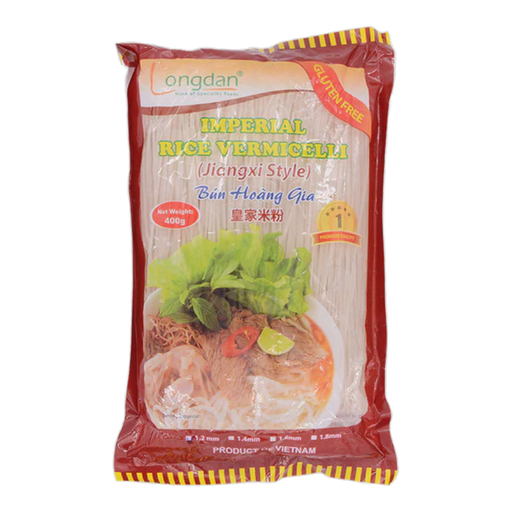
Why This Fits Their Persona: Ideal for the home cook who enjoys a variety of Asian cuisines. This fine vermicelli is a true multi-tasker, ready for Vietnamese summer rolls, light soups, noodle salads or as a bed for grilled dishes.
Its very specific 1.2mm thickness clearly signals its purpose for lighter applications, guiding the user away from attempting a heavy stir-fry where it would not perform well.
Offers a firm, springy texture that holds its shape well. It prepares very quickly, needing only a 4-5 minute soak in hot water.
We have compiled a complete, real-time list of products that fully satisfy these strict selection criteria and UK safety regulations.
1. How do I stop my rice noodles from sticking together? The key is to rinse them with cold water immediately after cooking (whether soaking or boiling). This washes away excess starch that causes stickiness. If you're not using them right away, toss them with a small amount of neutral oil (like rapeseed or sunflower oil) to keep the strands separated.
2. Are all rice noodles gluten-free? Generally, yes. Noodles made from just rice and water are naturally gluten-free noodles. However, it is always important to check the packaging. Some facilities may also handle wheat products, so look for allergen advice regarding cross-contamination if you have a severe allergy or coeliac disease.
3. Can I use rice vermicelli and rice sticks interchangeably? It is not recommended. Fine rice vermicelli is too delicate for the high heat and tossing of a stir-fry and will likely break apart. Conversely, thick rice sticks would be too heavy and dense for a light, fresh noodle salad. Matching the noodle to the dish is the most important step for achieving the right texture.