
24/7 Customer Support

Free returns

Same-day & Next-day Delivery

Quality Guaranteed

Unlock Your Welcome Offers: FREE Delivery | Up to 80% OFF | Free 30-day JoyPlus trial
Download the APP
Hello, I'm your Joybuy Product Recommendation Officer. My role is to help you navigate the crowded online marketplace and make informed choices. Today, we're looking at a pantry staple that's more complex than it seems: rice noodles. Whether you're aiming for a comforting bowl of pho, a zesty Thai stir-fry or a simple gluten-free meal, choosing the right noodle is the first step to success.
Many home cooks in the UK find themselves disappointed with the results, often due to a few common purchasing pitfalls. It's easy to end up with a mushy stir-fry or noodles that vanish into your soup. Let's cut through the confusion and ensure your next noodle dish is exactly as you imagined.
The "One-Noodle-Fits-All" Mistake: Grabbing the first packet of rice noodles you see is a recipe for disappointment. A delicate, thin rice vermicelli designed for fresh salads will turn to mush in a vigorous stir-fry, while a thick, wide noodle will overwhelm a light broth. The shape and thickness are not just for show; they are fundamental to the dish's texture.
Ignoring the Ingredient List: Not all rice noodles are created equal. While many are made simply from rice and water, others contain tapioca or potato starch. This isn't a flaw—in fact, starch adds a desirable chewiness and resilience, which is essential for certain Vietnamese noodles. The trap is buying a starchy noodle when you expect the softer bite of 100% rice, or vice-versa.
Choosing the Wrong Format for Your Needs: The aisle presents a choice between large bags of dried rice noodles and convenient instant pho pots. Beginners might be intimidated by the preparation of dried noodles, while those looking for a versatile ingredient might accidentally buy an all-in-one meal kit. Understanding the difference is key to getting what you need for your kitchen.
To avoid these traps, focus on two core parameters. Getting these right will dramatically improve your cooking.
The width of the noodle is perhaps the most critical factor. It dictates how the noodle interacts with sauces and broths and determines the final texture of your meal.
The ingredients list reveals the noodle's character.
Based on these practical criteria, we've matched some excellent options to different types of home cooks.

Why This Fits Their Persona: For students, busy professionals or anyone in the UK needing a satisfying hot meal in minutes. This removes all the guesswork and provides a complete, flavourful bowl of pho with minimal effort.
This is an all-in-one meal, solving the "wrong format" trap. It provides the correct type of delicate rice noodle perfectly matched to the authentic beef-flavoured broth.
Extreme convenience; ready in minutes. The flavour packet delivers a rich, aromatic broth reminiscent of classic Vietnamese pho.
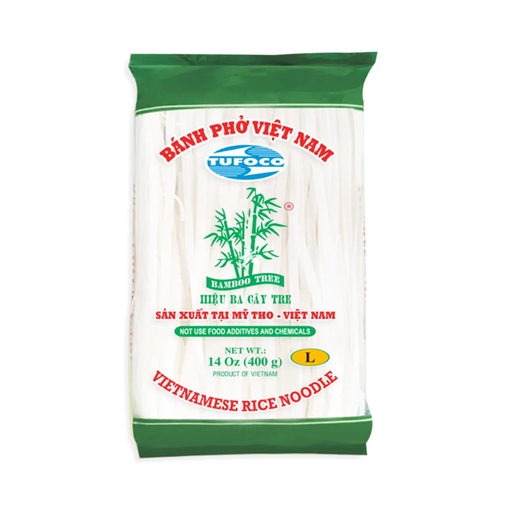
Why This Fits Their Persona: For the home cook who loves experimenting with different Asian cuisines. This is a reliable, all-purpose dried noodle that works equally well for a weekend pho project or a quick weeknight stir-fry.
It directly counters the "one-size-fits-all" trap by being a specified 5mm width, the ideal middle-ground for both soups and stir-fries, preventing mushy or overly delicate results.
Made from just rice flour and water for a clean taste. These naturally gluten free noodles retain a pleasant chew and absorb flavours beautifully without falling apart.
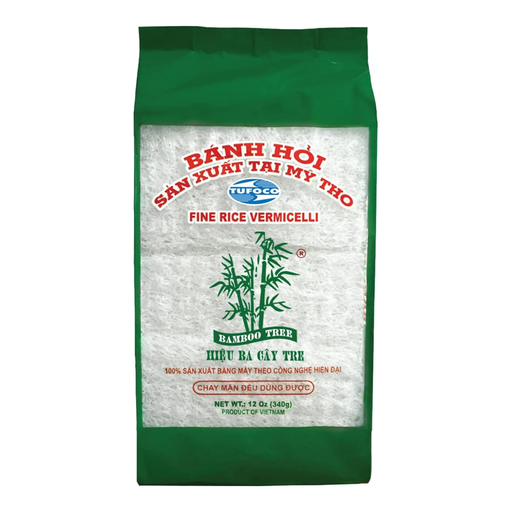
Why This Fits Their Persona: For those in the UK who enjoy making fresh, light Vietnamese dishes like g?i cu?n (summer rolls) or bún th?t n??ng (noodle salad). The delicate texture is paramount for these recipes.
This product is specifically for dishes requiring fine noodles, avoiding the trap of using thick, clunky noodles that would ruin the delicate balance of a fresh roll or salad.
These ultra-thin noodles cook in minutes and are woven into convenient bundles for easy portioning. The simple ingredient list ensures a clean taste that lets dressings shine.
We have compiled a complete, real-time list of products that fully satisfy these strict selection criteria and UK safety regulations.
This is a very common issue. The most effective technique is to rinse the noodles under cold running water immediately after you drain them. This washes away the excess surface starch that causes sticking. If you aren't using them straight away, tossing them with a teaspoon of neutral oil (like rapeseed or sunflower) will also prevent them from clumping together.
It's generally a good idea, especially for stir-frying. Soaking the noodles in warm water for 15-20 minutes (or as per package directions) makes them pliable and helps them cook more evenly. For some soups, you can add thinner noodles directly to the hot broth to cook, but for thicker noodles, a pre-soak is still recommended to ensure they are tender throughout.